
Fri, 14 Feb 2025
Admin
In today’s digital age, having a strong online presence is essential for professional success. LinkedIn is a top platform for networking and career growth. However, simply having a profile is not enough—you need to focus on LinkedIn Profile Optimization to stand out from the competition. At the same time, crafting a well-structured resume is equally important for landing job opportunities. Whether you are an experienced professional or a job seeker looking for Freshers Resume Easy Formats, this guide will help you create a LinkedIn profile and resume that grabs recruiters' attention.
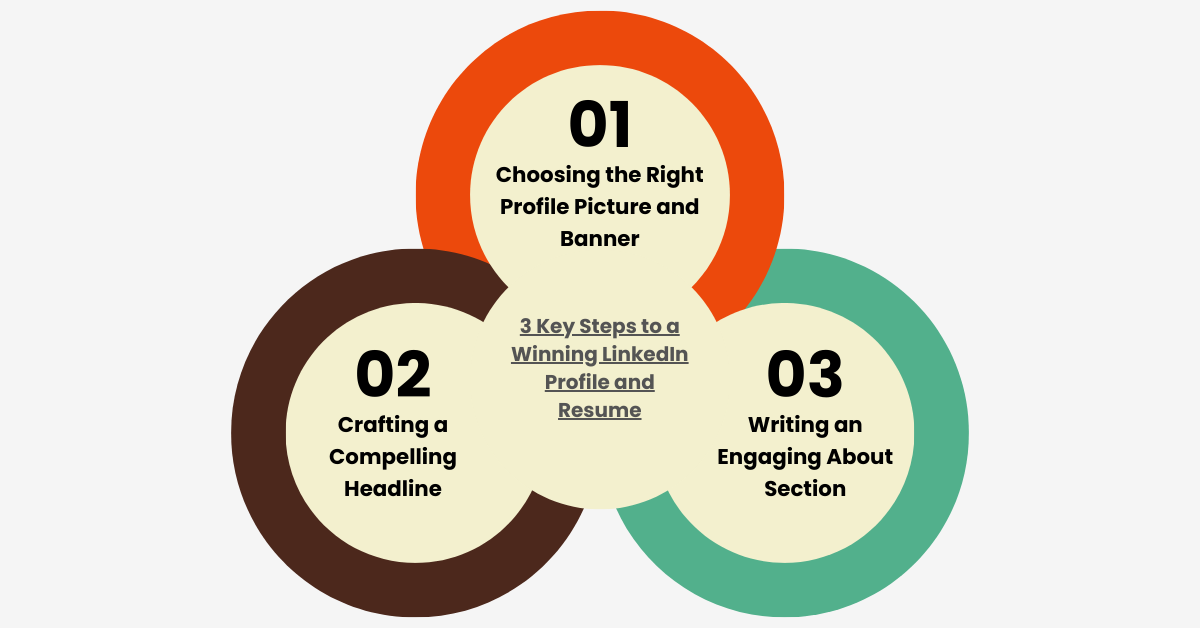
With millions of professionals on LinkedIn, making your profile stand out requires strategic enhancements. LinkedIn Profile Optimization involves tailoring your profile to highlight your skills, experience, and achievements in a way that aligns with your career goals. An optimized profile increases your visibility in search results, making it easier for recruiters and potential employers to find you.
1. Choosing the Right Profile Picture and Banner
Did you know your profile picture is the first thing recruiters notice? A professional headshot can significantly boost your credibility. Use a high-quality, professional headshot with a neutral background. Customize your banner image to reflect your industry, personal brand, or career aspirations. These small details are crucial in LinkedIn Profile Optimization by making your profile visually appealing.
2. Crafting a Compelling Headline
Your LinkedIn headline is not just your job title—it should be a strong statement that reflects your expertise and career goals. Instead of just writing “Marketing Manager,” try something like “Marketing Manager | Digital Strategy Expert | Brand Growth Specialist.” This enhances your LinkedIn Profile Optimization and improves your chances of appearing in search results.
3. Writing an Engaging About Section
The About section is your chance to showcase your professional story. Write a compelling summary that includes your key skills, achievements, and career goals. Use industry-related keywords naturally throughout your summary to boost your LinkedIn Profile Optimization.
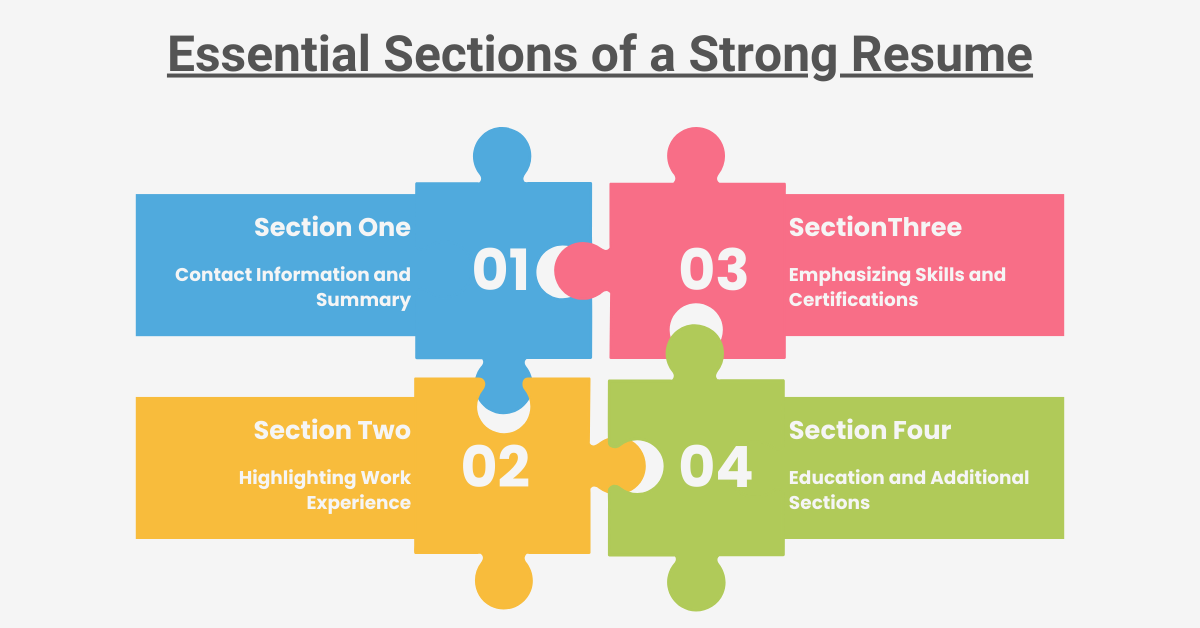
A well-structured resume is crucial in making a great first impression. Whether you are applying for your first job or an executive position, following these Resume Formatting Tips will help you create a professional document that captures recruiters’ attention.
1. Contact Information and Summary
At the top of your resume, include your full name, phone number, email, and LinkedIn profile link. Your summary should provide a brief yet impactful introduction to your experience and career objectives.
2. Highlighting Work Experience
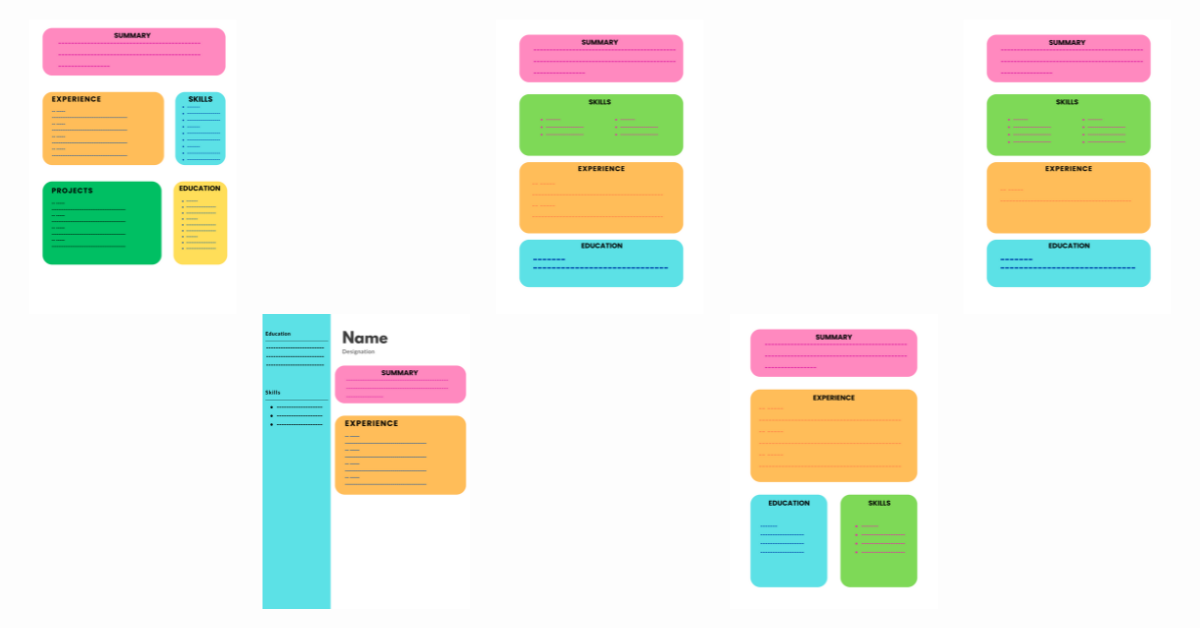
List your work experience in reverse chronological order, including company names, job titles, and responsibilities. Use bullet points to highlight key achievements and contributions. If you are a fresher, focus on internships, projects, and relevant coursework that showcase your skills. This is where Freshers Resume Easy Formats come in handy, providing simple yet professional templates that emphasize your strengths.
3. Emphasizing Skills and Certifications
Recruiters often scan resumes for specific skills and certifications. Include both hard and soft skills relevant to the job you’re applying for. Adding industry-recognized certifications can enhance your credibility. If you are optimizing your LinkedIn profile, mirror these skills in the “Skills & Endorsements” section to strengthen your LinkedIn Profile Optimization.
4. Education and Additional Sections
Include details of your academic background, including degrees, institutions, and graduation dates. If you have relevant projects, volunteer experience, or extracurricular achievements, mention them under additional sections. These details help create a well-rounded profile and support your Professional Resume Writing strategy.
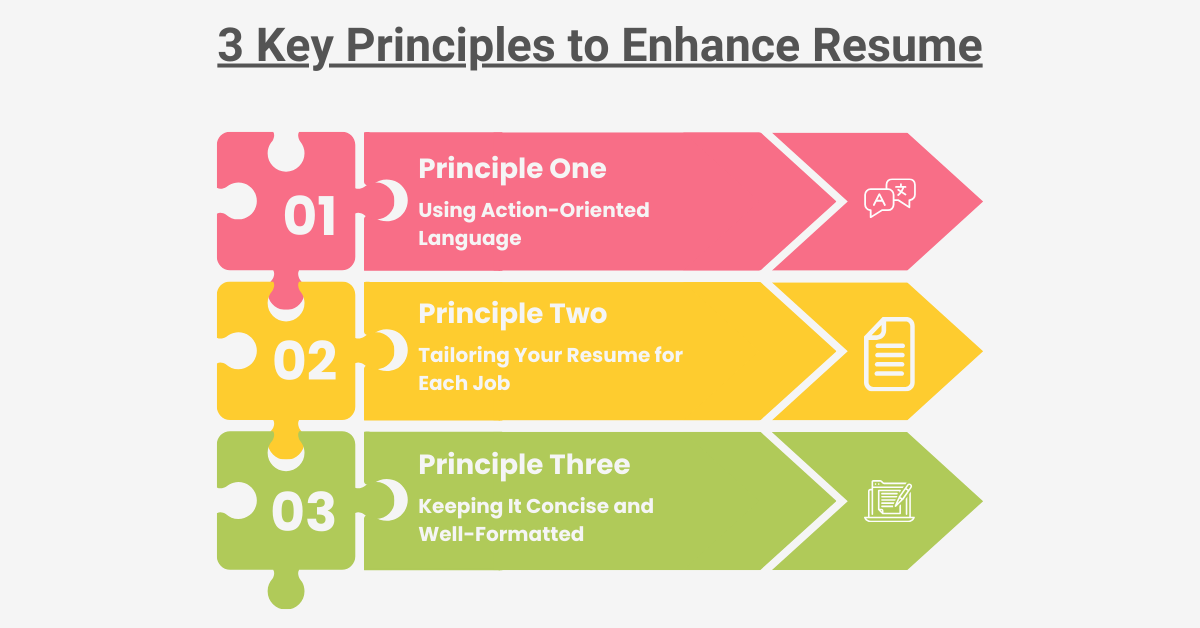
Creating a polished and effective resume goes beyond listing your experiences. Professional Resume Writing involves structuring your content in a way that is easy to read and impactful. Follow these key principles to enhance your resume:
1. Using Action-Oriented Language
Start each bullet point with powerful action verbs such as “Developed,” “Implemented,” or “Achieved.” This makes your resume more engaging and helps convey a sense of accomplishment.
2. Tailoring Your Resume for Each Job
Avoid using the same resume for every job application. Customize your resume based on the job description by incorporating relevant keywords and skills. This improves your chances of passing applicant tracking systems (ATS) used by recruiters.
3. Keeping It Concise and Well-Formatted
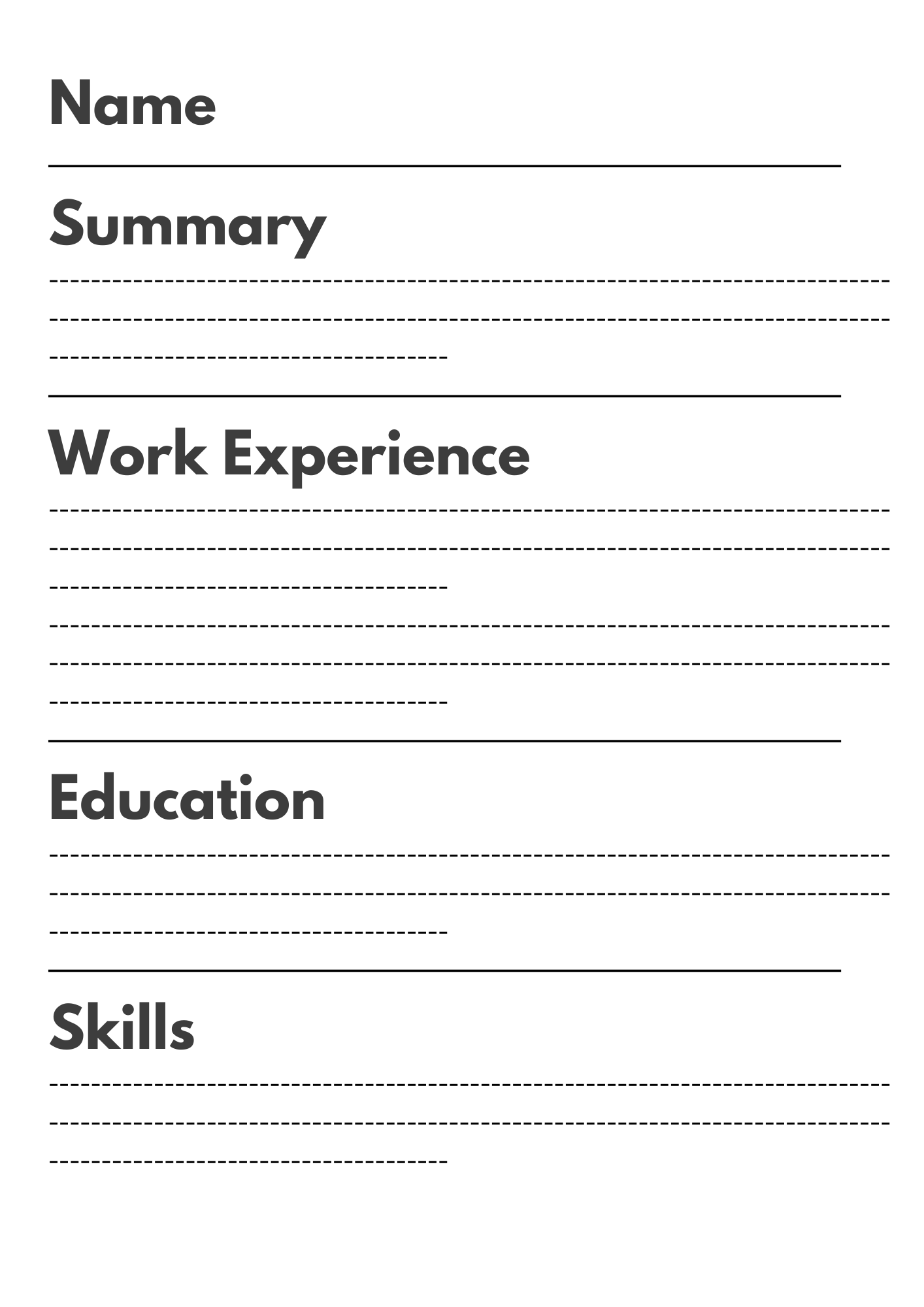
Ideally, a resume should be one or two pages, depending on your experience level. Use clear headings, bullet points, and consistent formatting. Resume Formatting Tips like maintaining a simple font, appropriate spacing, and aligned margins ensure readability.
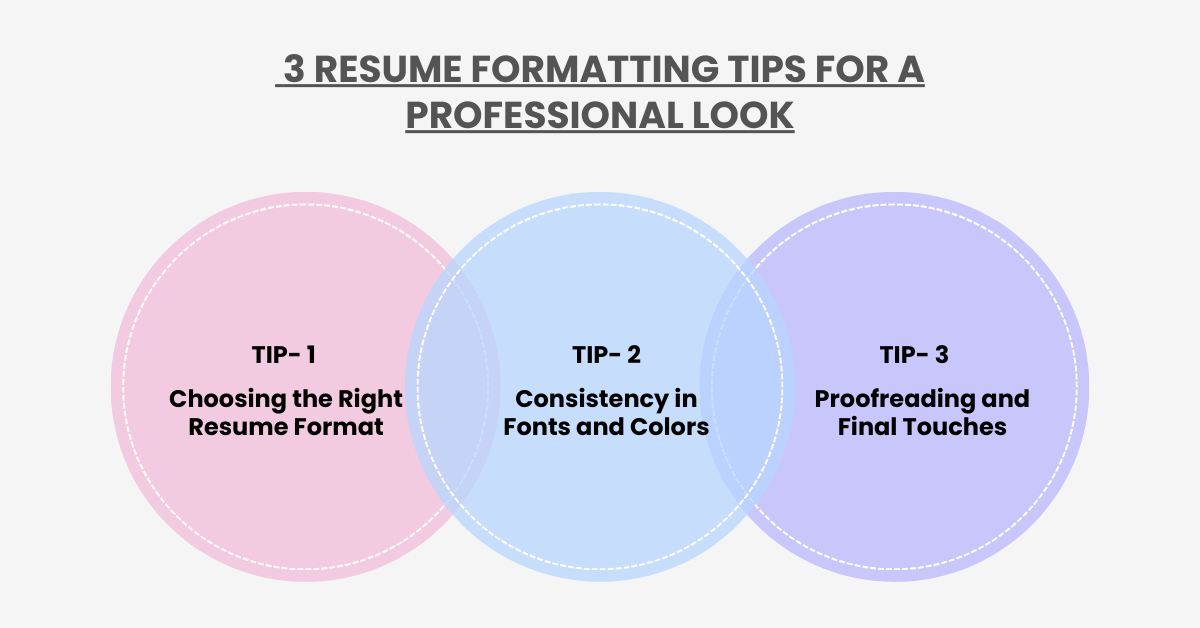
1. Choosing the Right Resume Format
There are three main resume formats:
For freshers, using Freshers Resume Easy Formats with a clean layout is ideal for showcasing education and skills effectively.
2. Consistency in Fonts and Colors
Stick to professional fonts like Arial, Times New Roman, or Calibri, and use a font size between 10-12 points. Avoid excessive colors or graphics that may distract from the content.
3. Proofreading and Final Touches
Typos and grammatical errors can leave a negative impression. Always proofread your resume before submitting it. Using tools like Grammarly or seeking feedback from a mentor can help refine your content. Following these Resume Formatting Tips ensures a polished final document.
Your LinkedIn profile and resume should complement each other. Ensure the information on both is consistent, including job titles, skills, and achievements. By focusing on LinkedIn Profile Optimization, you increase your chances of being discovered by recruiters who are actively searching for candidates with your expertise.
Conclusion
To create a strong LinkedIn profile and resume, you need to focus on the details, use the right formatting, and clearly highlight your skills. Whether you're an experienced professional or a fresher looking for Freshers Resume Easy Formats, optimizing both can open new job opportunities. By applying LinkedIn Profile Optimization techniques, you can stand out to recruiters and hiring managers. Take the time to refine your profile and resume today—your next career move could be just around the corner!
Ready to create a standout resume? With TrueCV, it’s simple and fast to make a professional resume that gets noticed. You can easily download your resume in different formats, so you're always ready to apply. Plus, creating a resume with TrueCV is easy—just follow the simple steps to build a resume that highlights your skills and experience.
Get started now and Build a professional resume in minutes with TrueCV—quick, simple, and ATS-friendly

Tue, 21 Jan 2025
Admin
In today’s competitive job market, having a strong resume is crucial to landing your dream job. However, despite putting in effort, many job seekers struggle with getting their resumes selected. One of the primary reasons for this could be related to Resume Formatting Errors. These small mistakes can make a big difference in how your resume is perceived. Additionally, many applicants are unaware of the Common Resume Mistakes they make, which could potentially hurt their chances. In this blog, we will explore the reasons why your resume might not be cutting and how you can fix them, with insights into Professional Resume Advice and the best practices for building a resume. If you're a fresher, a Resume Builder for Freshers can guide you in structuring your resume most effectively.
One of the most overlooked reasons why resumes get rejected is poor Resume Formatting Errors. Hiring managers and recruiters often skim through resumes quickly, and if your resume’s formatting is not clean or structured well, it can be easily overlooked. Make sure your resume is easy to read with consistent font sizes, headers, and margins. A cluttered or overly fancy design can be distracting, and it may fail to convey the information professionally. Use bullet points to list achievements and avoid large paragraphs. If you're unsure about formatting, using a Resume Builder for Freshers can help guide you in creating a resume that is both simple and effective.
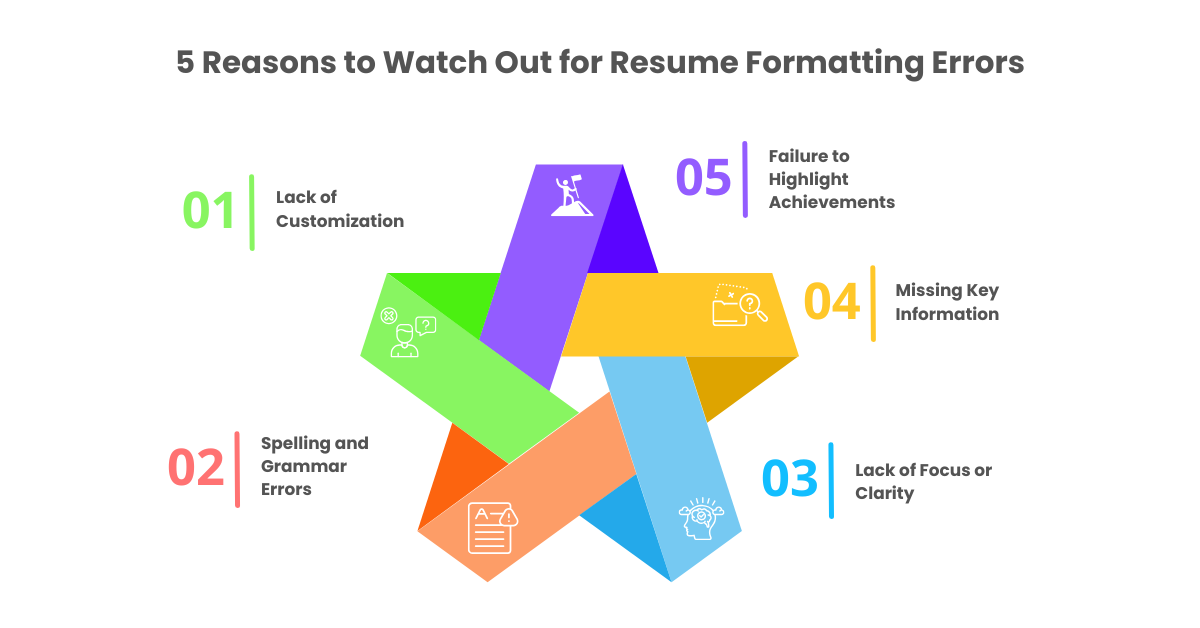
1. Lack of Customization

Many job seekers use a one-size-fits-all approach when applying for jobs. However, this can be a huge mistake. Generic resumes that do not tailor their skills and experience to the specific job are much less likely to get noticed. A resume should be customized for each job application to reflect how your skills match the requirements listed in the job description. Failing to do this may cause hiring managers to dismiss your resume, even if your qualifications are strong. As part of Professional Resume Advice, make sure you include relevant keywords from the job description and focus on the skills and experiences that are most aligned with the position.
2. Spelling and Grammar Errors

Simple spelling, grammar, and Resume Formatting Errors can also lead to your resume being disregarded. These mistakes make you appear careless and unprofessional, which is a big turn-off for employers. It's crucial to proofread your resume carefully and ensure the formatting is consistent before submitting it. Additionally, grammar-checking tools like Grammarly can help spot errors you may have missed. For further assistance, getting Professional Resume Advice from experts can give you the confidence that your resume is free of mistakes, including formatting issues, and ready to impress hiring managers.
3. Lack of Focus or Clarity

A resume that lacks clarity or is too vague can be a deal-breaker. When hiring managers look at your resume, they should be able to easily understand your skills, accomplishments, and how they align with the job you're applying for. Avoid using ambiguous language or unclear job descriptions. It's important to highlight your achievements and provide specific examples of your skills in action. Employers appreciate resumes that are direct and to the point, with measurable outcomes where possible. One of the Common Resume Mistakes people make is failing to include quantifiable results that demonstrate their impact in previous roles.
4. Missing Key Information

A resume that lacks important information, such as your contact details or a professional summary, can make it difficult for hiring managers to evaluate your qualifications properly. Your contact information should be easy to find, and your professional summary should quickly convey your value proposition to the employer. If you’re a fresher, make sure to include any relevant internships or projects in your education section. Additionally, addressing resume formatting errors is essential to ensure that your resume appears professional and organized. If you're unsure about how to structure your resume, consider using a Resume Builder for Freshers that can help you create a comprehensive and well-rounded resume.
5. Failure to Highlight Achievements

Many job seekers focus too much on listing responsibilities rather than showcasing their achievements. Employers want to see how you’ve made an impact in your previous roles. Including measurable achievements – such as improving efficiency, increasing sales, or reducing costs – can make a huge difference. If your resume doesn’t highlight your accomplishments, hiring managers may not realize the value you bring to the table. Using a Resume Builder for Freshers can assist you in structuring your achievements effectively to highlight your strengths.
When you are applying for jobs, Resume Formatting Errors can easily cause your resume to fall into the "no" pile, even if you are highly qualified. For instance, using multiple fonts or inconsistent heading sizes can make your resume appear unprofessional. Hiring managers often look for clean, well-organized documents that highlight the candidate's strengths. Make sure your sections are clearly marked (e.g., "Education", "Work Experience", "Skills") and keep your font style simple and professional, such as Arial or Times New Roman.
Additionally, many job seekers often make the mistake of using an overly complex layout. While it may seem like a creative choice, overly complex designs can be difficult to read and could even prevent your resume from being read by applicant tracking systems (ATS). The key is to find a balance between aesthetics and professionalism.
One of the Common Resume Mistakes job seekers make is failing to list their skills and achievements properly. Simply stating that you have a skill is not enough – you need to demonstrate how you've applied that skill in previous roles. For example, instead of just saying, "Excellent communication skills," you can write, "Managed customer relationships through regular communication, improving client retention by 20%."
Another mistake is submitting a resume that is too long. Ideally, your resume should be one to two pages long, depending on your level of experience. Employers don’t have time to read through lengthy documents, so be concise and focus on the most relevant information. By following Professional Resume Advice, you can ensure your resume is a reflection of your best qualifications, while also being easy to read and to the point.
Conclusion
There are many reasons why your resume may not be getting selected, but by addressing Resume Formatting Errors, customizing your resume for each job, and avoiding Common Resume Mistakes, you can greatly increase your chances of landing an interview. If you're unsure of how to format your resume or what to include, consider using a Resume Builder for Freshers that can provide a template for structuring your resume. By following these guidelines and seeking Professional Resume Advice, you will be well on your way to creating a resume that stands out and gets noticed by hiring managers. Keep improving and revising your resume to reflect your growing experience and skills, and you’ll soon find success in your job search.
Ready to create a standout resume? With TrueCV, it’s simple and fast to make a professional resume that gets noticed. You can easily download your resume in different formats, so you're always ready to apply. Plus, creating a resume with TrueCV is easy—just follow the simple steps to build a resume that highlights your skills and experience.
Get started now and create your resume with TrueCV today!

Fri, 10 Jan 2025
Admin
A well-crafted resume can open up exciting opportunities, especially when it highlights your diverse experiences. Showcasing freelance work on resume effectively is a great way to impress potential employers. For experienced professionals, using the right CV formatting for experienced roles is key to making your skills and achievements shine.

Freelancing is more than just a job; it’s a testament to your versatility and ability to manage multiple responsibilities. Whether it’s designing, writing, coding, or consulting, including your freelancing experience can demonstrate your expertise and dedication.
Incorporating freelance work on resume effectively shows potential employers how you manage deadlines, communicate with clients, and deliver quality outcomes. It also bridges employment gaps, making your career trajectory more appealing.
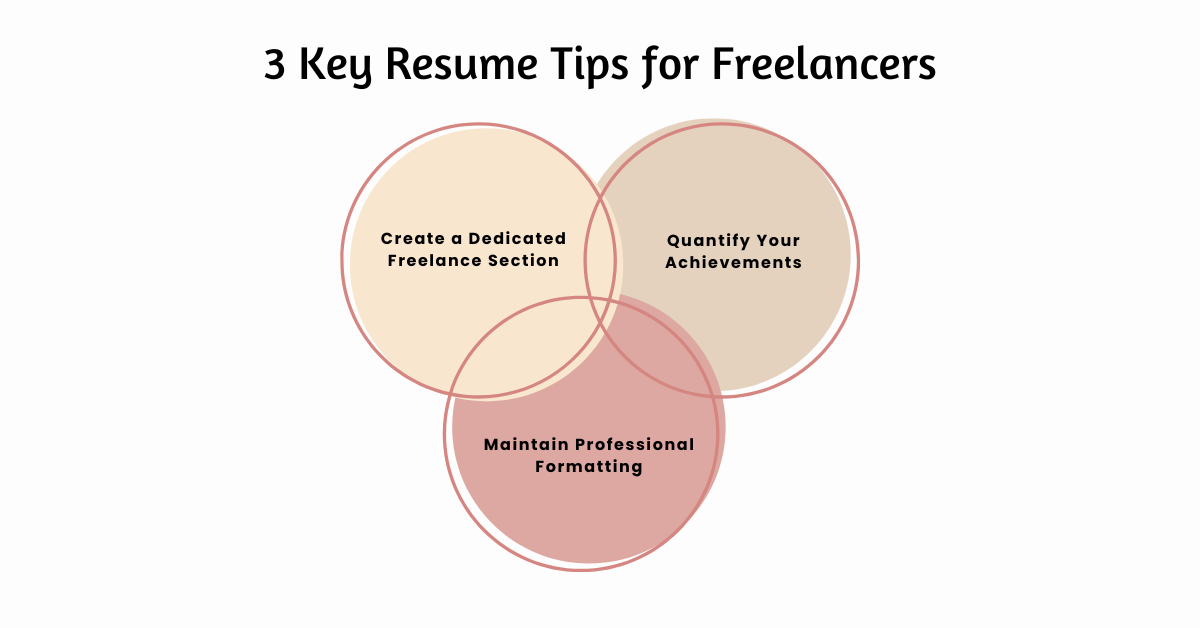
When it comes to freelancing, the way you structure and present your resume matters. Follow these resume tips for freelancers to stand out:
To make your freelance experience shine, follow a structured approach:
1. Role and Title

Clearly state your role, such as “Freelance Graphic Designer” or “Independent Marketing Consultant.”
2. Client or Industry

Mention notable clients or the industries you worked with to provide context.
3. Timeline

Specify the duration of your freelance projects, e.g., “January 2020 – Present.”
4. Achievements and Contributions

Use bullet points to outline measurable results, like:
This format ensures your freelance work on resume is presented professionally and effectively.

Freelancing can be an excellent way to fill gaps between full-time roles. When adding freelance experience to your resume, focus on its relevance to the position you’re applying for.
For example, if you’re applying for a marketing role, highlight freelance projects involving social media management or email marketing campaigns. This approach is especially useful when aligning your resume with CV formatting for experienced professionals.
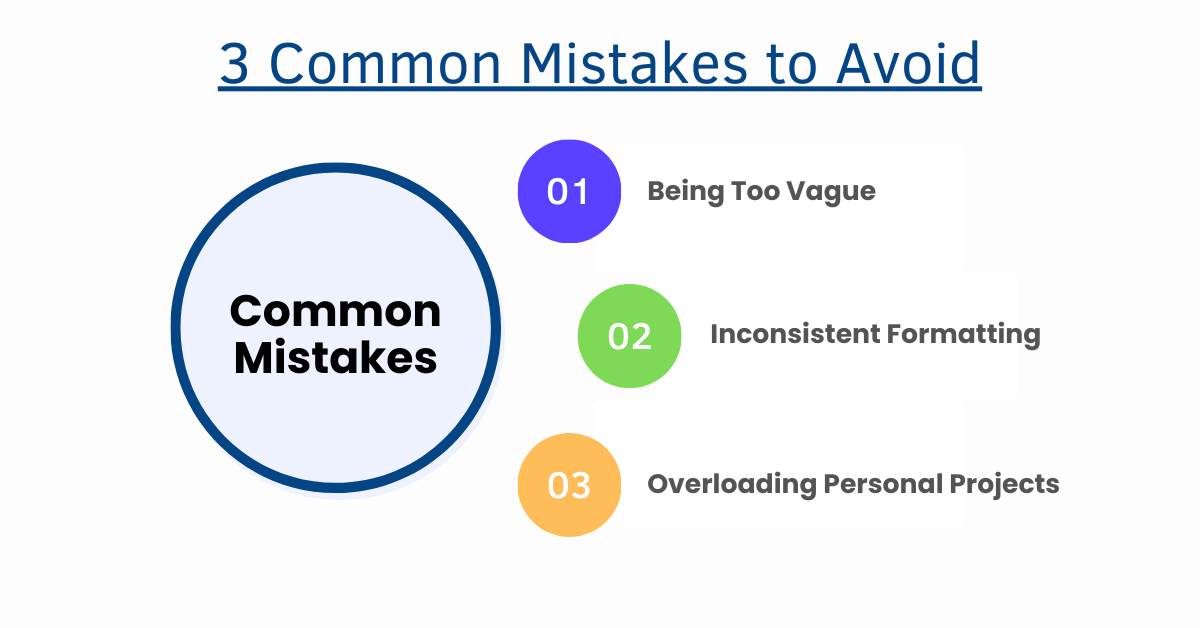
When including freelance experience, avoid these pitfalls:
Customizing your resume for each job application is critical. Freelancers often have varied experiences, so pick projects that align with the job description. If applying for a design role, focus on freelance work related to graphic design rather than unrelated tasks.
This is where resume tips for freelancers come in handy. A tailored resume demonstrates that you understand the employer’s needs and can meet their expectations.
Use modern tools to design a professional-looking resume:
Here are a few examples to inspire you:
1. Freelance Content Writer

a) Wrote 150+ blog posts for diverse industries, driving a 20% increase in organic traffic.
b) Collaborated with clients to create SEO-friendly content strategies.
2. Freelance Web Developer

a) Built and launched e-commerce platforms for 10+ small businesses, improving their sales by 40%.
b) Streamlined website performance, reducing load times by 50%.
3. Freelance Marketing Consultant

a) Managed marketing campaigns that increased client ROI by 25%.
b) Conducted market research to identify customer pain points and improve campaign targeting.
These examples highlight how freelance work on resume can effectively demonstrate your skills and achievements.
Proper formatting can make your resume easy to read and appealing to hiring managers. Use clear section headings, bullet points, and consistent fonts. This approach is especially vital for CV formatting for experienced freelancers, as it emphasizes professionalism and structure.
By including `, you showcase your entrepreneurial mindset and adaptability. Whether it’s solving client problems, delivering creative solutions, or meeting tight deadlines, your freelancing experience is a testament to your capabilities.
Your resume should tell a compelling story about your professional journey. By following these tips, using effective formatting techniques, and applying targeted resume tips for freelancers, you can make your freelance experience stand out.
Remember, your freelance work is more than just a list of projects—it’s evidence of your expertise, independence, and ability to deliver results. Craft your resume with care, and let your work speak for itself.
Ready to create a standout resume? With TrueCV, it’s simple and fast to make a professional resume that gets noticed. You can easily download your resume in different formats, so you're always ready to apply. Plus, creating a resume with TrueCV is easy—just follow the simple steps to build a resume that highlights your skills and experience.
Get started now and create your resume with TrueCV today!

Fri, 03 Jan 2025
Admin
Creating a resume that captures the attention of human recruiters and Applicant Tracking Systems (ATS) is essential in today’s competitive job market. With ATS filtering out up to 75% of resumes before reaching a human recruiter, your approach to crafting your resume must be strategic and meticulous. This blog offers ATS Resume Tips to ensure your resume stands out and aligns with both audiences. Whether using a Resume Maker for Experienced professionals or working independently, these guidelines will help you navigate the challenges effectively.
Applicant Tracking Systems (ATS) are software tools used by employers to streamline their recruitment process. These systems scan, filter, and rank resumes based on specific keywords, formatting, and relevance. Understanding how ATS works is crucial to tailoring your resume for success.
ATS Resume Tips:
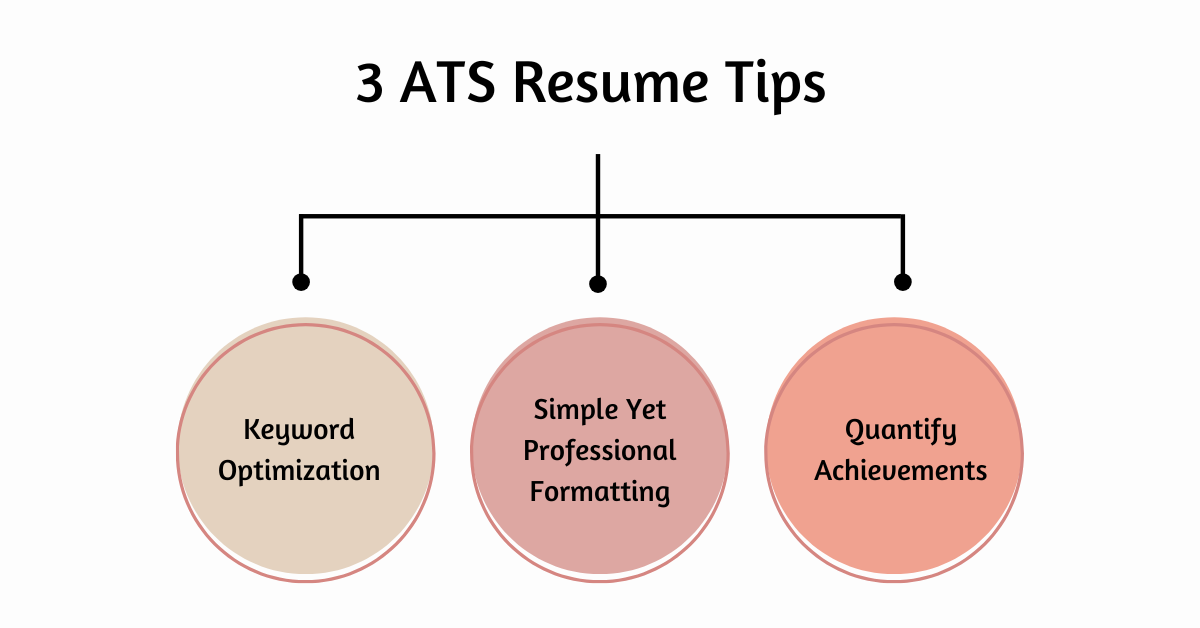
1. Keyword Optimization

Incorporating the right keywords is a non-negotiable step in creating an ATS-friendly resume. Identify keywords from the job description and integrate them naturally into your resume. For instance, if the job calls for "project management," ensure this term is present in your skills, experience, and summary sections.
ATS Resume Tips:
2. Simple Yet Professional Formatting

Your resume's design should not compromise its readability by ATS or humans. While a Professional Resume Guide might encourage creativity, simplicity is key when dealing with ATS.
Formatting Guidelines:
3. Quantify Achievements

ATS and human recruiters are drawn to quantifiable achievements. Highlight your accomplishments using metrics and data, which add credibility and specificity to your experience.
Example: Instead of saying "Managed a sales team," write "Managed a sales team of 10, achieving a 25% increase in revenue within six months."
Leveraging a Professional Resume Builder is an excellent way to create an ATS-compliant resume without extensive effort. These tools provide pre-designed templates optimized for ATS, ensuring your resume is both visually appealing and machine-readable.
Benefits of Using a Builder:
If you’re a seasoned professional, consider using a Resume Maker for Experienced job seekers, which focuses on highlighting advanced skills, leadership roles, and career achievements.
Even the most well-crafted resumes can fail to pass the ATS screening if they contain certain errors. Below are some pitfalls to avoid:
ATS Resume Tips: Always review your resume through an ATS testing tool or software to identify potential issues.
Follow this tried-and-true structure for crafting a winning resume:
This layout ensures your resume is ATS-friendly while maintaining a professional look.
For experienced candidates, the challenge lies in showcasing a long and accomplished career without overwhelming the reader or ATS. Here’s how a Resume Maker for Experienced professionals can streamline this process:
1. Focus on Leadership Roles
Highlight positions where you’ve led teams, managed projects, or spearheaded initiatives.
2. Trim Irrelevant Details

Remove early-career roles or skills that no longer add value to your current career trajectory.
3. Emphasize Certifications
Certifications add credibility to your resume. Include any certifications relevant to the job you're applying for.
ATS Resume Tips: Keep your resume to two pages unless the job explicitly requires a detailed CV.
Proofreading and Final Checks
No matter how well-written your resume is, errors can cost you an opportunity. Always proofread your resume multiple times or seek professional assistance.
Final Checklist:
A Professional Resume Builder often includes proofreading tools to help eliminate errors, ensuring your resume is polished and error-free.
Modern technology has revolutionized the way resumes are crafted and assessed. From AI-powered tools that suggest keyword placement to ATS systems that streamline hiring, staying updated with these advancements is crucial.
ATS Resume Tips: Stay informed about industry trends to ensure your resume aligns with evolving ATS standards.
Conclusion
Crafting a resume that appeals to both human readers and ATS is no longer optional; it’s a necessity. By following these ATS Resume Tips and utilizing resources like a Resume Maker for Experienced Professionals, you can create a resume that is both impactful and ATS-compliant.
Remember, the goal is to strike a balance between creativity and compliance. With the right strategy and tools, your resume can open doors to opportunities that align with your career aspirations.
Ready to create a standout resume? With TrueCV, it’s simple and fast to make a professional resume that gets noticed. You can easily download your resume in different formats, so you're always ready to apply. Plus, creating a resume with TrueCV is easy—just follow the simple steps to build a resume that highlights your skills and experience.
Get started now and create your resume with TrueCV today

Fri, 27 Dec 2024
Admin
A well-crafted cover letter can be the difference between landing your dream job or being overlooked. Whether you're a seasoned professional or just starting, understanding how to create an effective Resume Cover Letter is crucial. A cover letter complements your resume, showcasing your personality and enthusiasm while highlighting your suitability for the role. Especially for individuals using a Resume Builder for Fresher, mastering the art of a compelling cover letter can significantly boost your job application.

Before diving into the steps, let’s understand the importance of a cover letter. While your resume provides an overview of your qualifications and experience, a cover letter gives you the chance to personalize your application. It bridges the gap between your resume and the specific job requirements, allowing you to explain why you're the perfect fit for the position. A well-written Resume Cover Letter ensures your application stands out in a competitive job market.
1. Research the Company and Role

Before you start writing, research the company and the specific job role. Tailoring your Resume Cover Letter to the company’s mission, values, and job requirements demonstrates genuine interest and effort. This personalized touch can make a significant impact on hiring managers.
2. Start with a Professional Greeting

Address your cover letter to the hiring manager or recruiter. If you don’t know their name, a generic greeting such as “Dear Hiring Manager” is acceptable. A personalized salutation shows you’ve done your research.
3. Craft a Strong Opening Paragraph

The opening paragraph should immediately grab attention. Mention the position you're applying for and how you learned about it. For example: "I am excited to apply for the [Job Title] position at [Company Name]. As a recent graduate utilizing a Resume Builder for Fresher, I am eager to bring my skills and passion for [Industry/Field] to your esteemed organization."
4. Highlight Relevant Skills and Achievements

The body of your Resume Cover Letter should focus on your skills, achievements, and experiences that align with the job description. Use specific examples to demonstrate your suitability. For instance: "During my internship at [Company Name], I successfully managed [specific project or task], which resulted in [positive outcome]. These experiences have equipped me with skills that align with your company’s requirements."
5. Explain Your Motivation

Employers want to know why you want to work for their company. Share your motivation and how the role aligns with your career goals. This section should showcase your enthusiasm and understanding of the company.
6. Close with a Call to Action

End your cover letter with a confident call to action, expressing your eagerness to discuss your application further. For example: "I would welcome the opportunity to discuss how my skills and experiences align with your team’s needs. Thank you for considering my application."
Cover Letter Writing is a skill that takes practice, but with effort and attention to detail, you can create a powerful document that complements your resume.
For those just starting their career journey, a Resume Builder for Fresher is an invaluable tool. It simplifies the process of creating a polished resume, and many platforms also provide cover letter templates. These templates can serve as a foundation for crafting a compelling Resume Cover Letter tailored to your unique experiences and the job you’re applying for.
Using a Resume Builder for Fresher, you can ensure your application materials are professional and aligned with industry standards. This gives you a competitive edge in a crowded job market. Also, when preparing for interviews, your Resume for Interviews becomes a crucial element in showcasing your skills and impressing the hiring manager.
Example of a Winning Resume Cover Letter
[Your Name]
[Your Address]
[City, State, ZIP Code]
[Your Email Address]
[Your Phone Number]
[Date]
[Hiring Manager’s Name]
[Company Name]
[Company Address]
[City, State, ZIP Code]
Dear [Hiring Manager’s Name],
I am excited to apply for the [Position Title] role at [Company Name]. I have developed a resume that highlights my academic achievements and internships, which I believe make me an excellent candidate for this position.
During my time at [University/Previous Employer], I gained hands-on experience in [specific skill/field], contributing to [specific achievement]. My ability to [key skill] aligns perfectly with the requirements outlined in the job description.
I am particularly drawn to [Company Name] because of its commitment to [specific value or mission of the company]. I am confident that my skills in [specific area] will enable me to contribute effectively to your team.
Sincerely,
[Your Name]
Conclusion
Creating an effective Resume Cover Letter is essential in the job application process. It allows you to showcase your personality, highlight your achievements, and connect your skills to the employer’s needs. With tools like a Resume Builder for Fresher, even those new to the workforce can craft professional and compelling application materials.
Remember, Cover Letter Writing is about listing your qualifications and demonstrating your enthusiasm and fit for the role. Following the steps outlined above, you’ll be well on your way to landing your dream job. Good luck!
Ready to create a standout resume? With TrueCV, it’s simple and fast to make a professional resume that gets noticed. You can easily download your resume in different formats, so you're always ready to apply. Plus, creating a resume with TrueCV is easy—just follow the simple steps to build a resume that highlights your skills and experience.
Get started now and create your resume with TrueCV today!

Fri, 20 Dec 2024
Admin
In today’s competitive job market, addressing a career gap in resume effectively can make or break your chances of securing your dream role. Whether the gap was due to personal reasons, further education, or simply taking a break to reevaluate your career path, it's crucial to present it in a way that highlights your strengths rather than leaving employers questioning your capabilities. Crafting a compelling resume with tools like a resume builder for fresher can help streamline the process.
Hiring managers often look closely at resumes for any gaps, and if those gaps aren't explained, it can raise concerns. However, if you handle them well, a career gap in a resume can be a positive thing. It’s a chance to show you’re adaptable, strong, and ready to take on new opportunities.
1. Be Honest About Your Career Gap

Employers value transparency. If your career gap in resume resulted from personal reasons, health concerns, or further education, mention it briefly without dwelling on the details. Use a professional tone to describe the gap in your job application resume while focusing on your proactive steps during that time. For example:
Being truthful prevents any misunderstandings during interviews and establishes trust with potential employers.
2. Highlight Skills Acquired During the Gap

A career gap doesn’t mean a period of inactivity. Often, people acquire soft and hard skills during this time that are valuable in the workplace. For instance, you might have:
Make sure to list these skills under a dedicated section such as “Professional Development” or “Additional Experience” in your resume.
3. Use a Functional Resume Format
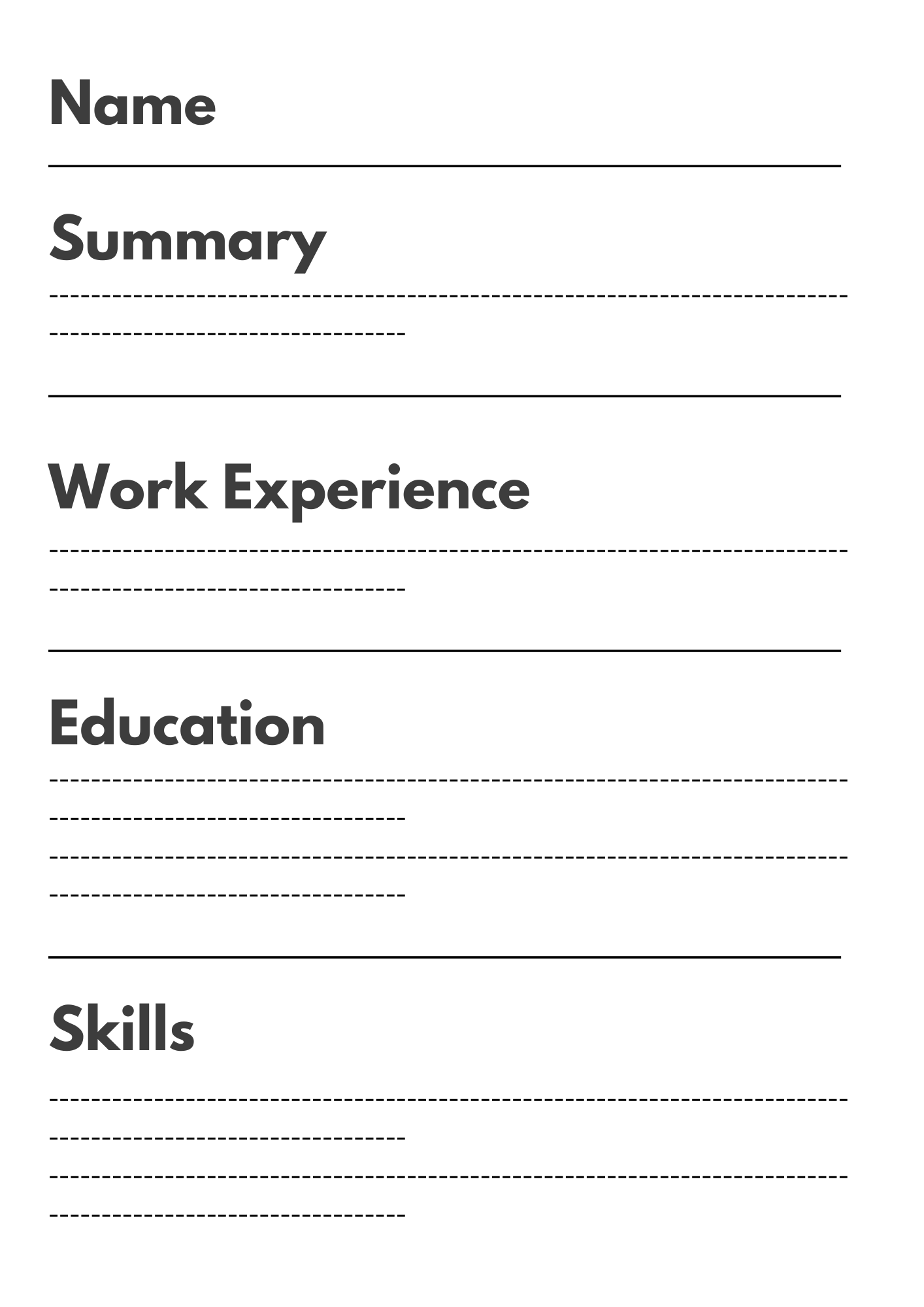
If your gap is significant, consider using a functional resume format rather than a chronological one. This format focuses on your skills and achievements rather than your employment history. This allows you to emphasize your capabilities and minimize the visibility of any gaps. A resume builder for fresher can help create this format seamlessly.
4. Add Freelance or Volunteer Work

Freelancing, consulting, or volunteering during a career gap in resume demonstrates initiative and a commitment to staying active. Even short-term projects can be valuable additions to your resume. Include them under a section titled “Relevant Experience” to bridge the gap.
5. Include an Explanation in Your Cover Letter

While your resume provides the highlights, your cover letter offers space to provide context. Briefly mention the gap, focusing on the positive aspects and emphasizing your readiness to return to the workforce.
For example:
"During a six-month career gap, I pursued advanced certifications in data analysis and volunteered with a local non-profit to apply my skills in a real-world context. These experiences have enriched my knowledge and prepared me for this role."
6. Focus on Achievements and Results

When presenting your work experience, emphasize measurable achievements. For example:
By showcasing results, you draw attention away from the career gap in resume and toward your capabilities.
7. Tailor Your Resume to Each Job
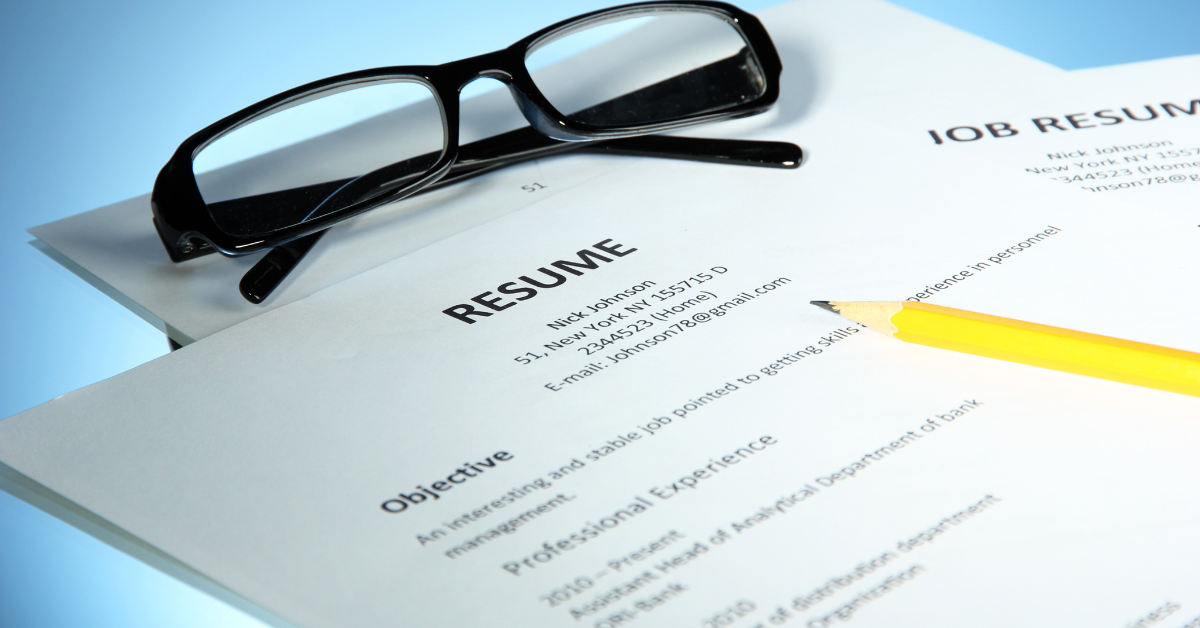
Using a generic resume is one of the most common mistakes job seekers make. Customize your resume for each job application to match the job description. Include keywords and relevant skills that align with the position to increase your chances of being shortlisted.
8. Leverage Professional Resume Builders
Tools like a resume builder for fresher can simplify the process of creating a polished and professional resume. These platforms provide templates and guidance, ensuring that your resume addresses gaps effectively and remains visually appealing.
1. Ignoring the Gap
Leaving a gap unexplained may raise suspicion among employers. Always address it honestly and concisely.
2. Overexplaining
While it’s essential to address the gap, avoid providing too many details. Focus on what you achieved during that period rather than the reasons behind it.
3. Using Negative Language
Frame your career gap positively. Instead of saying, “I couldn’t find a job,” say, “I used the time to enhance my skills through certifications and volunteering.”
Professional Development
Work Experience
Digital Marketing Intern | ABC Agency
(Jan 2022 – June 2022)
A career gap in resume can bring fresh perspectives, resilience, and problem-solving abilities, making you a well-rounded candidate. Many employers recognize this and appreciate candidates who address gaps openly while showcasing their growth during that time.
Conclusion
Addressing a career gap in resume is all about honesty, skill demonstration, and confidence. Use this opportunity to highlight how you’ve grown, both professionally and personally. With tools like a resume builder for fresher, you can create a polished and compelling resume that showcases your value as a candidate. Tailor your resume to each job application resume, focusing on skills, achievements, and your readiness to contribute to your next role.
By following these strategies, you can effectively overcome any concerns about your career gap in resume and position yourself as the ideal candidate for the job. Whether it’s about addressing a brief sabbatical or a longer career break, the key is to approach it positively and strategically.
Ready to create a standout resume? With TrueCV, it’s simple and fast to make a professional resume that gets noticed. You can easily download your resume in different formats, so you're always ready to apply. Plus, creating a resume with TrueCV is easy—just follow the simple steps to build a resume that highlights your skills and experience.
Get started now and create your resume with TrueCV today!
.png)
Mon, 16 Dec 2024
Admin
A professional resume is crucial to making a positive first impression in the job market. However, many candidates make common resume errors that can significantly affect their chances of an interview. From using an online resume builder for fresher applicants to implementing effective strategies, avoiding these mistakes is key to creating a standout resume.


One of the most common resume errors is using a design or layout that needs to be updated or more professional. Modern recruiters prefer resumes that are clean, concise, and easy to read. Choosing the best resume format ensures your application is visually appealing and effectively highlights your strengths.

Grammatical mistakes and typos are glaring issues that can ruin your credibility. These common resume errors suggest a need for more attention to detail, which is a red flag for potential employers. Always proofread your resume and consider using grammar-checking tools or asking a friend to review it.

Adding irrelevant details like unrelated hobbies or personal interests is another common resume error. Employers are only interested in information that pertains to the job role. Focus on accomplishments and experiences that align with the job description to make your resume more impactful.

One of the biggest common resume errors is listing responsibilities without quantifiable results. For example, instead of saying “Managed a sales team,” you should say “Led a sales team that achieved a 25% revenue increase in six months.” Numbers and metrics make your resume more compelling.

While buzzwords like "team player" or "results-driven" can add flavor to your resume, overloading them without supporting examples is a frequent common resume error. Employers value real achievements over vague claims, instead, back up such terms with concrete examples from your professional history.
Applicant Tracking Systems (ATS) are widely used to screen resumes, and missing relevant keywords is one of the most critical common resume errors. Carefully read the job description and incorporate its terms naturally into your resume to increase your chances of being shortlisted.
A generic resume that isn't tailored to the specific role you’re applying for is a major common resume error. Recruiters expect to see how your skills and experiences align with the job description. Customizing your resume for each role significantly boosts your chances of standing out.
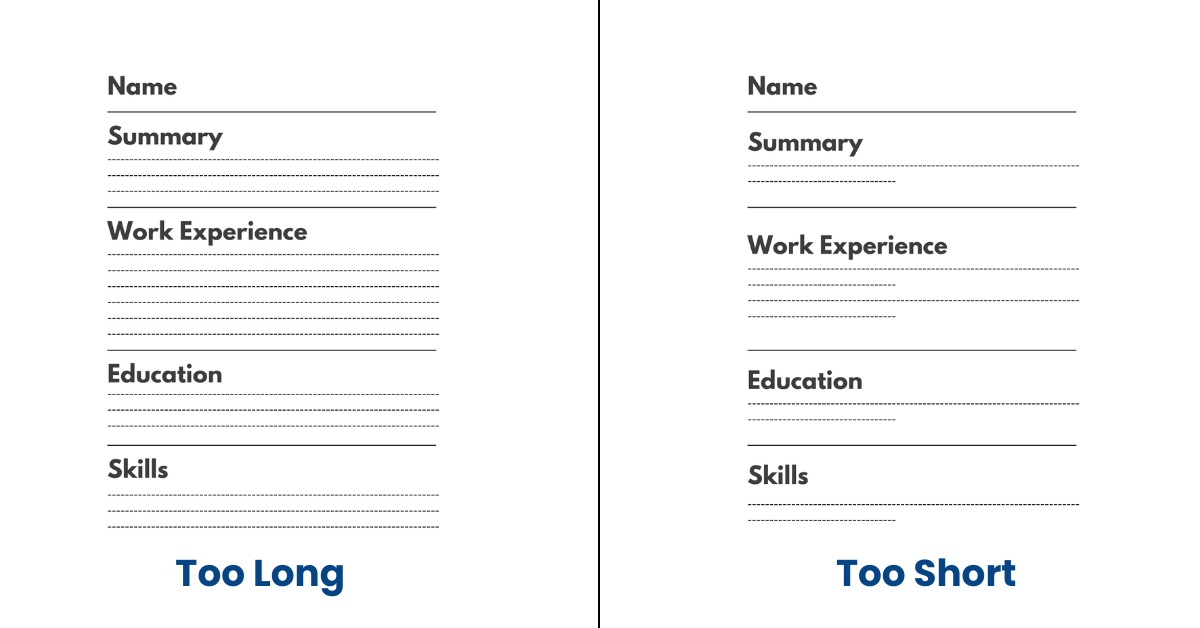
An excessively long or short resume is a typical common resume error. Ideally, your resume should be one to two pages, depending on your experience. If you’re a fresher, using an online resume builder for fresher applicants can help you include all the essentials without overloading the content.

Leaving out or providing incorrect contact details is a surprisingly frequent common resume error. Double-check your phone number, email address, and LinkedIn profile to ensure they are accurate and up to date. Missing this crucial information could mean missing out on job opportunities.

Using overly decorative fonts, flashy colors, or poor layout design is another common resume error. A professional-looking resume with a clean and organized layout helps keep the focus on your qualifications. Opt for the best resume format to enhance readability and present your skills effectively.
For fresher candidates and those unfamiliar with resume writing, an online resume builder for fresher applicants is a valuable tool. It offers pre-designed templates, formatting suggestions, and guidance on avoiding common resume errors. Such tools simplify the process, allowing you to focus on showcasing your skills and experiences effectively.
Conclusion
Avoiding these top 10 resume mistakes will help you craft an application that stands out. From choosing the best resume format to tailoring your content and avoiding common resume errors, every detail matters. Tools like an online resume builder for fresher candidates can guide you toward creating a polished, professional resume. Take the time to refine your application, and you’ll be one step closer to achieving your career goals.
Ready to create a standout resume? With TrueCV, it’s simple and fast to make a professional resume that gets noticed. You can easily download your resume in different formats, so you're always ready to apply. Plus, creating a resume with TrueCV is easy—just follow the simple steps to build a resume that highlights your skills and experience.
Get started now and create your resume with TrueCV today!

Sat, 07 Dec 2024
Admin
When you're applying for jobs, your resume is often the first impression an employer gets of you. It's essential to ensure that your resume not only reflects your qualifications but also stands out in a competitive job market. A Professional Resume Builder can be an excellent tool to help craft a resume that attracts attention, showcasing your skills, experience, and accomplishments effectively. But what do employers look for when reviewing resumes?
Let's dive into the key elements that make a resume irresistible to potential employers.

In the modern job market, a Professional Resume Builder can provide significant advantages. It helps streamline the resume creation process by offering templates, keyword suggestions, and formatting tips that ensure your resume is both professional and tailored to the job you're applying for. These tools are especially helpful if you are an experienced professional looking to update your resume or if you're just starting your career journey. Many people also turn to an Easy CV Builder for Experienced job seekers to simplify the process while ensuring that all critical details are included.
1. Clarity and Structure

The first thing employers look for in a resume is clarity. They want to be able to scan your resume and understand your qualifications quickly. A cluttered, difficult-to-read resume is likely to be overlooked. This is where using a Professional Resume Builder can make a difference. It ensures your resume is clean, organized, and well-structured, with the most important information easily accessible. A resume with clear headings, bullet points, and sections is crucial.
For those with a wealth of experience, an Easy CV Builder for Experienced can help you organize your past roles and accomplishments in a way that highlights your expertise without overwhelming the reader. By using such tools, you can focus on what really matters while ensuring that your resume remains easy to read.
2. Relevant Experience

Employers are keen to see relevant experience related to the job you're applying for. A resume that includes specific job responsibilities, achievements, and skills that match the position's requirements will stand out. It’s important to tailor your resume for each role to reflect how your past work aligns with the company’s needs.
For job seekers with significant experience, it’s crucial to focus on your most recent and relevant roles. The Easy CV Builder for Experienced can help highlight this, enabling you to sort through your professional history and emphasize the roles that matter most. You don't want to overwhelm an employer with irrelevant details from outdated positions, so always prioritize the most pertinent information.
3. Skill Set and Keywords

Employers often use Applicant Tracking Systems (ATS) to filter resumes before they even reach the hiring manager. These systems scan resumes for specific keywords that match the job description. To increase your chances of making it past the ATS, make sure to incorporate relevant skills and industry-specific terms into your resume.
Using a Professional Resume Builder can help you select the right keywords by providing suggestions based on the role you're applying for. Many resume builders also analyze the job description and recommend skill keywords that you should include, boosting your chances of getting noticed. The Easy CV Builder for Experienced also helps experienced professionals effectively incorporate hard and soft skills, showcasing their adaptability and expertise.
4. Achievements Over Duties

While it's important to list your job responsibilities, employers are more interested in your achievements. Instead of simply stating what you did, show how you excelled. Did you increase sales? Lead a team to success? Solve a challenging problem? Quantify these achievements whenever possible. Numbers and specific examples of success will make your resume more compelling.
For example, instead of saying "Managed a team of salespeople," say "Led a team of 10 salespeople to achieve a 20% increase in quarterly sales." A Professional Resume Builder will encourage you to highlight such accomplishments in a format that stands out and draws attention to your most impactful moments.
5. Education and Certifications

Depending on the industry and role, your educational background may be a crucial part of your resume. Most employers will look for relevant degrees or certifications, particularly if they are listed as required in the job description. Be sure to include any education that aligns with the role, as well as any certifications or courses that demonstrate your continued professional development.
A Professional Resume Builder will help you display this information clearly and prominently. It can also guide you on how to properly list certifications and training courses, especially if they are key to your field. For experienced professionals, this section should reflect any ongoing learning or development you’ve pursued throughout your career.
6. Personalization for the Job

One of the most important things employers look for in your resume is personalization. A generic resume that is sent to multiple employers will likely get lost in the pile. Tailor your resume to each specific job you apply for by addressing the job title, company name, and other relevant details. Customizing your resume shows employers that you’ve put effort into your application and are genuinely interested in the position.
A Professional Resume Builder allows you to customize your resume easily. Many of these tools help you modify sections of your resume based on the specific job description, making it easy to submit personalized resumes for each role. The Easy CV Builder for Experienced also provides customizable templates that help experienced professionals fine-tune their resumes, ensuring every detail reflects their unique career journey.
7. Contact Information and Professional Summary

Lastly, employers will check the top of your resume for your contact information. This should be up to date, and include your phone number, email, and professional social media profiles (such as LinkedIn). Many employers also appreciate a concise professional summary or objective at the top of the resume. This summary should briefly highlight your experience, skills, and career goals, helping employers quickly understand your fit for the role.
When using a Professional Resume Builder, it’s easy to create a polished and professional contact section that stands out. Additionally, a builder tool can prompt you to write an effective professional summary that speaks to your strengths and career direction. This section is essential, especially for Resume for Interviews, where a strong introduction can set the tone for the conversation.
Final Thoughts: Optimize Your Resume for Success
To sum up, employers look for resumes that are clear, relevant, and tailored to the position they are hiring for. A Professional Resume Builder can be an invaluable resource in creating a resume that meets these standards. It helps you focus on the key aspects of your career, present your experience effectively, and optimize your resume with the right keywords to increase your chances of landing the interview. Whether you're a seasoned professional or just starting, an Easy CV Builder for Experienced can help you build a standout resume that highlights your strengths and achievements. With a little attention to detail, your resume can become your most powerful tool in securing your next job opportunity.
Incorporating these strategies into your Resume for Interviews can help you stand out from the competition and give you the confidence you need when applying for your next position.
Ready to create a standout resume? With TrueCV Resume Builder, it’s simple and fast to make a professional resume that gets noticed. You can easily download your resume in different formats, so you're always ready to apply. Plus, creating a resume with TrueCV is easy—just follow the simple steps to build a resume that highlights your skills and experience.
Get started now and create your resume with TrueCV today.

Thu, 05 Dec 2024
Admin
Landing your dream job in 2024 starts with having a standout resume. Whether you're a recent graduate or a seasoned professional, the right resume format can make a world of difference. When searching for resume formats for freshers, it's important to focus on highlighting skills and potential rather than prior experience. Additionally, utilizing tools like an online resume builder for fresher can simplify the process and help create a polished, professional-looking document.
In this blog, we’ll explore the best resume formats for 2024, who they’re best suited for, and how you can leverage modern tools and resume templates to secure your next opportunity.
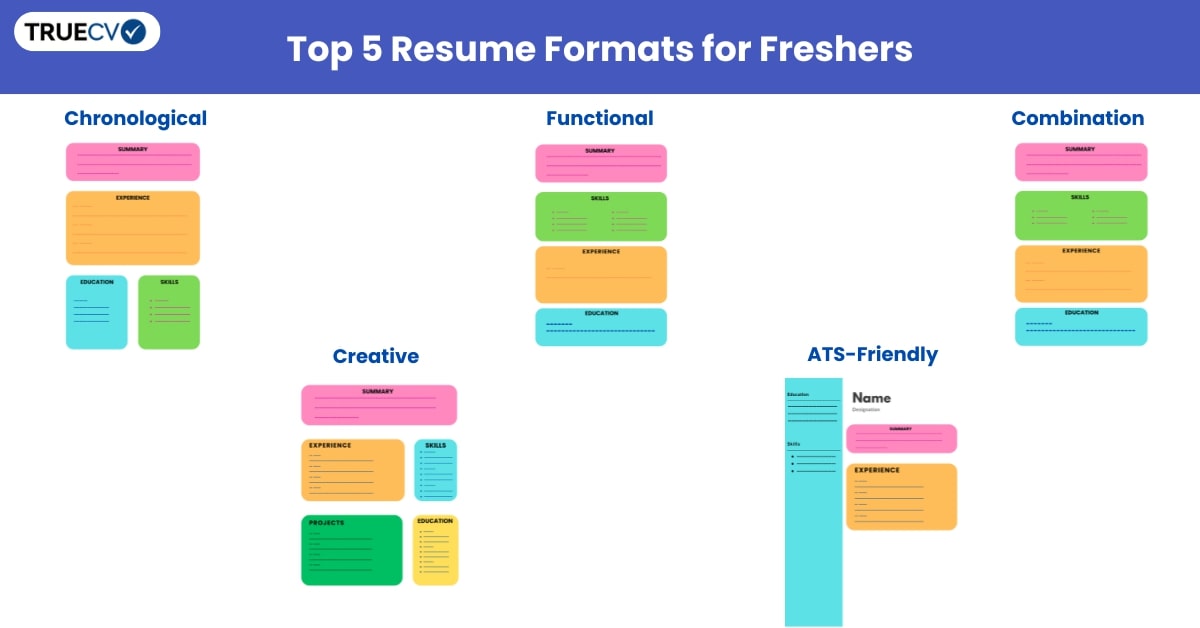
Choosing the right resume format is crucial, especially for those just starting their career. Resume formats for freshers should emphasize skills, education, and projects rather than work experience. Let’s explore some of the top options.
1. Chronological Resume Format
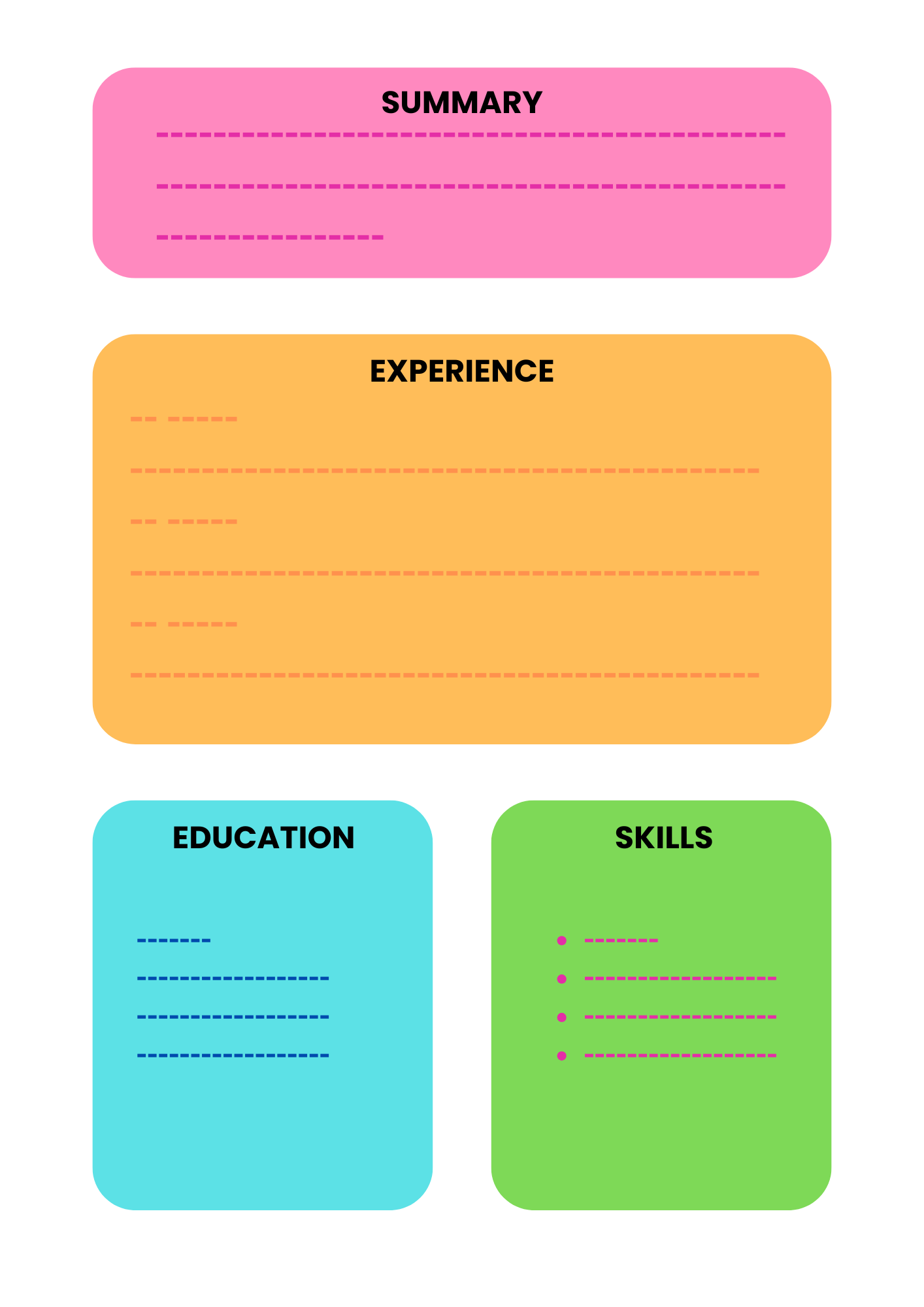
The chronological resume format lists work experiences in reverse chronological order, starting with the most recent.
Ideal For:
Features:
While this format is popular, it might not work best as one of the resume formats for freshers because it emphasizes job history over skills.
2. Functional Resume Format
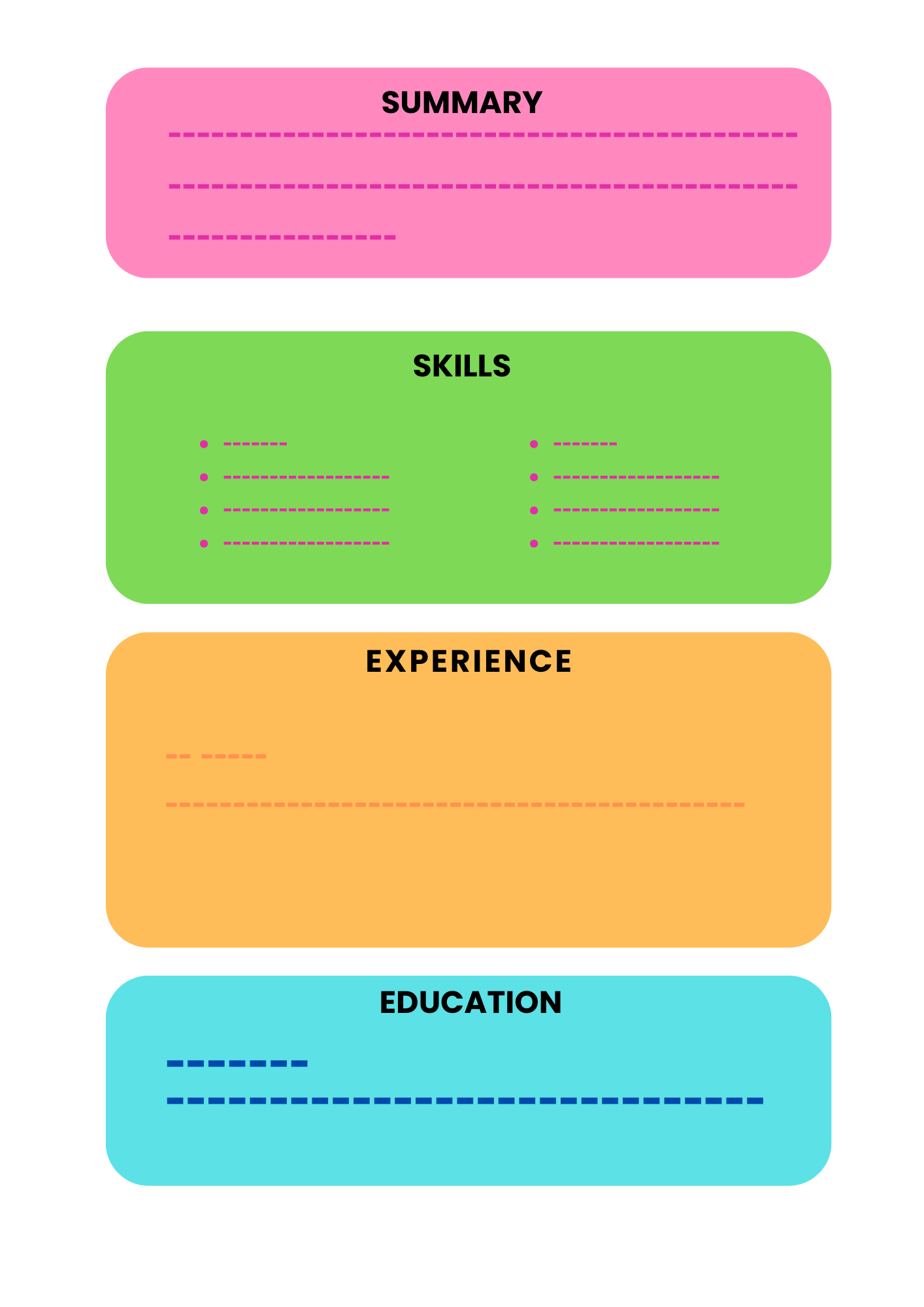
The functional resume emphasizes skills and abilities rather than work history, making it perfect for freshers and those with limited experience.
Ideal For:
Features:
This is one of the most effective resume formats for freshers, as it allows them to focus on their strengths, such as academic accomplishments, internships, and projects.
3. Combination Resume Format

This format combines the strengths of chronological and functional resumes, allowing candidates to showcase skills while presenting a brief work history.
Ideal For:
Features:
For freshers, adapting this format can work well, provided they focus on transferable skills and relevant projects.
4. Creative Resume Format
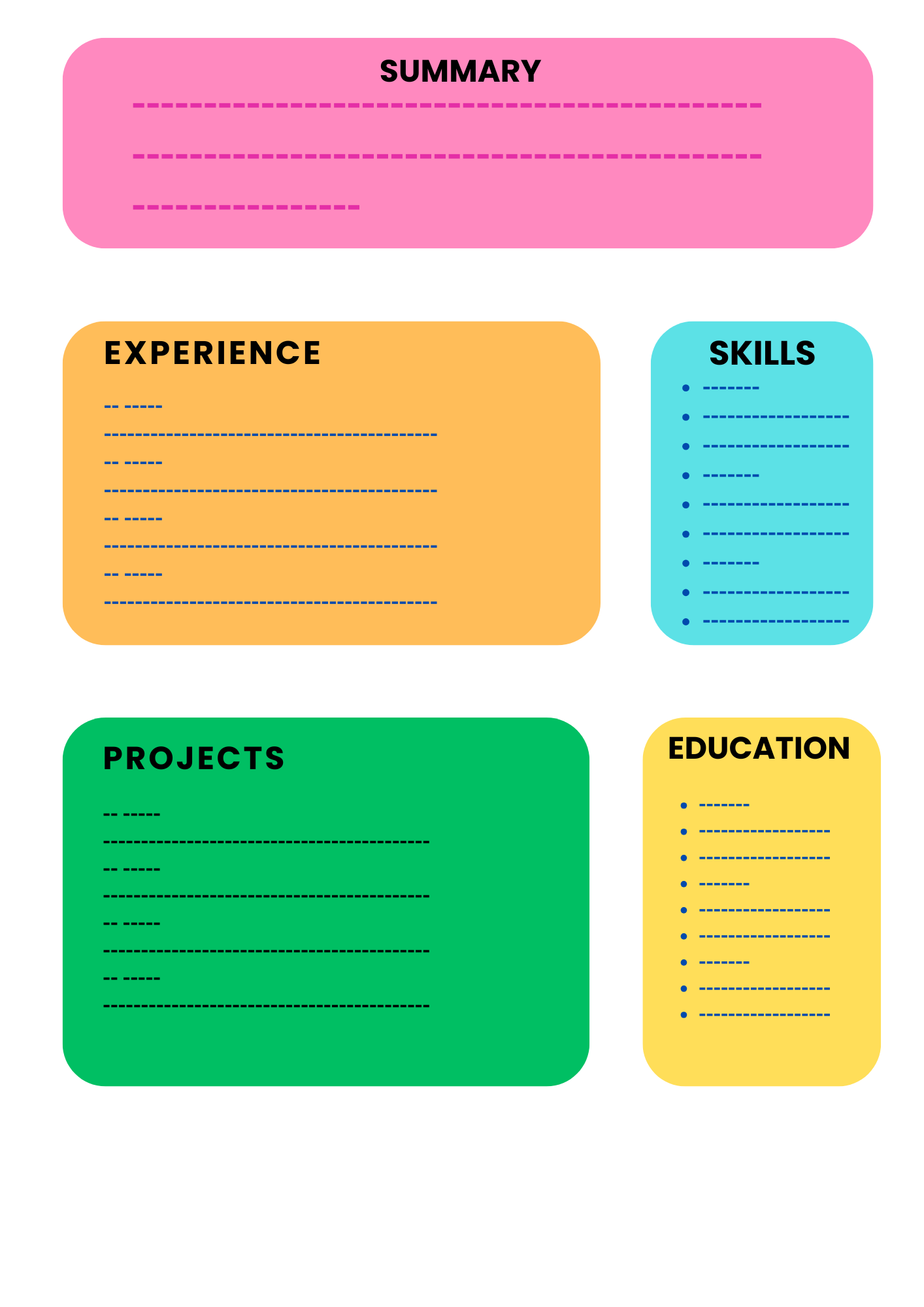
For industries like design, marketing, or content creation, a creative resume can set you apart. This format includes visual elements like infographics and unique layouts.
Ideal For:
Features:
Using an online resume builder for fresher can also help create visually appealing resumes without requiring advanced design skills.
5. ATS-Friendly Resume Format
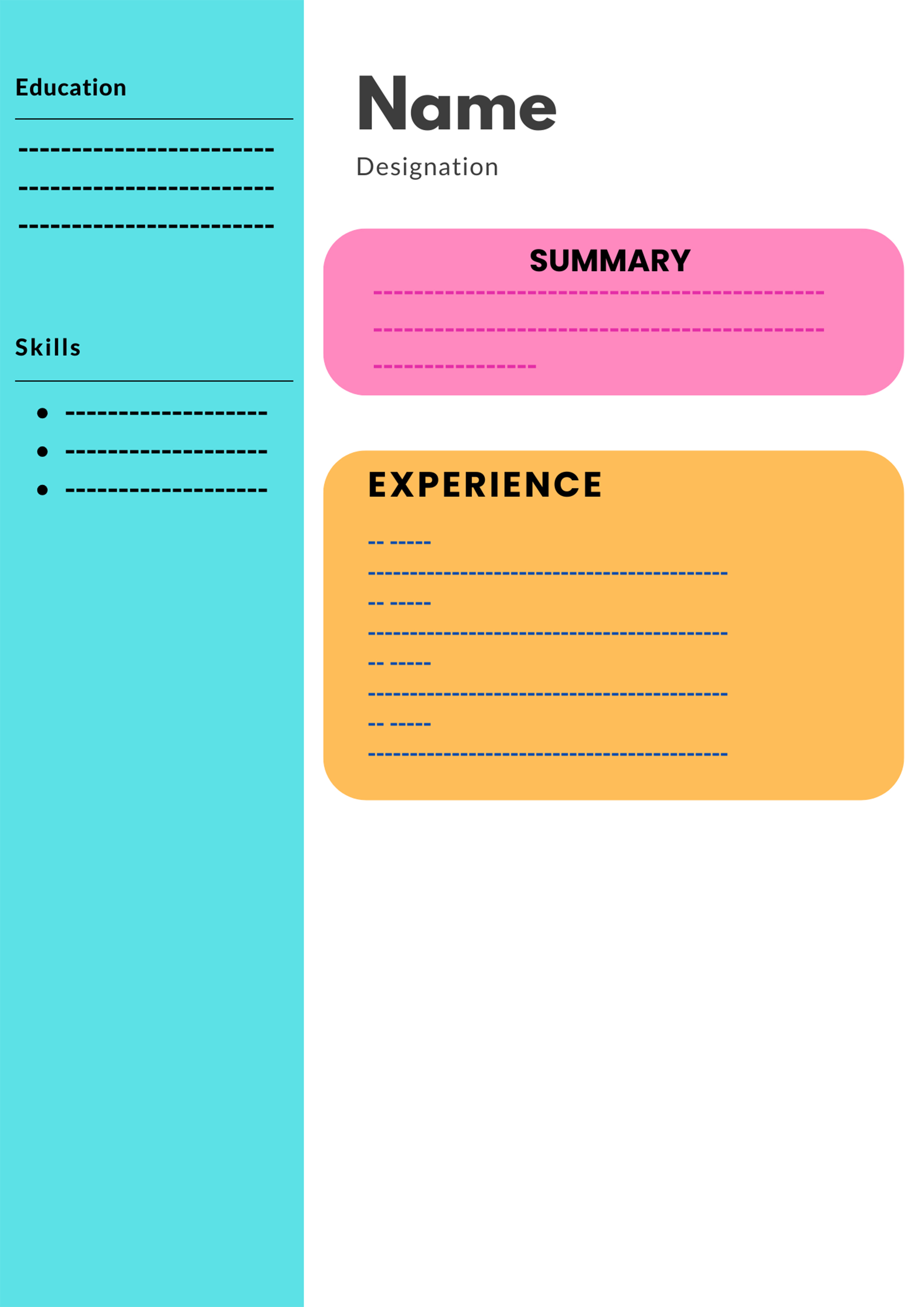
With Applicant Tracking Systems (ATS) becoming common, having an ATS-friendly resume is essential. These systems scan resumes for keywords and reject poorly formatted ones.
Features:
For freshers, an ATS-friendly format ensures their resume is not overlooked by automated systems. Many resume templates available online are designed with ATS compatibility in mind.
Fresh graduates often lack extensive work experience, making it critical to choose a format that highlights their strengths. Resume formats for freshers prioritize skills, academic achievements, internships, and extracurricular activities, helping them stand out in competitive job markets.
Tools like an online resume builder for fresher simplify this process, offering ready-to-use templates tailored for entry-level candidates.
1. Tailor Your Resume for Each Job
Match your resume to the job description by emphasizing relevant skills and experiences. For freshers, including keywords from the job posting can improve ATS compatibility.
2. Focus on Skills and Projects
Resume formats for freshers should include a strong skills section and detailed descriptions of academic projects or internships.
3. Leverage Resume Templates
Using ready-made templates ensures your resume is well-organized and visually appealing. Many platforms offer resume templates designed specifically for freshers.
4. Proofread Thoroughly
Mistakes in grammar or formatting can create a negative impression. Review your resume multiple times before submitting it.
5. Save in the Right Format
PDF is generally preferred for resumes unless the job description specifies otherwise.
Conclusion
Crafting a standout resume in 2024 starts with selecting the right format. For those entering the workforce, resume formats for freshers such as the functional or ATS-friendly format provide the best opportunities to showcase their skills and potential.
Using tools like an online resume builder for fresher and pre-designed resume templates makes the process simpler and ensures your resume looks professional and polished. Remember, a professional resume format tailored to the job you’re applying for can make all the difference in landing interviews. Start building your resume today to take the first step toward career success.

Sat, 30 Nov 2024
Admin
When it comes to landing your dream job, one of the most important things to consider is how well your resume for job application reflects the specific role you are applying for. A generic resume may not highlight the exact skills, experiences, and qualifications that employers are looking for. Customizing your resume ensures that it aligns with the specific job requirements and helps you stand out in a competitive job market.
In this guide, we’ll walk you through how to tailor your resume for job application to make sure your chances of getting noticed are maximized. We’ll also discuss useful tools such as an online CV maker for fresher, which can help you create a polished, professional resume from scratch.
Customizing your job application resume for each position is a crucial step in showcasing your skills, experience, and qualifications in the best possible light. A generic resume is often overlooked by hiring managers because it doesn’t focus on the specific job requirements. By tailoring your resume, you’re not just listing your work history, but rather showing how your unique qualifications meet the specific needs of the employer.
A well-tailored resume for job application demonstrates that you understand the role, the company, and the industry, making it more likely that you’ll be shortlisted for an interview. The key is to ensure that your resume speaks directly to the employer’s requirements, aligning your skills with their priorities.
1. Analyze the Job Description Carefully
The first step in tailoring your resume for job application is to read the job description thoroughly. Make sure to understand the core skills and qualifications that the employer is seeking. Key phrases and terms in the job description should appear in your resume wherever relevant.
For example, if the job requires proficiency in a certain software or technical skills, mention them clearly in your job application resume. Hiring managers often use Applicant Tracking Systems (ATS) to filter resumes based on keywords, so it’s essential to include these keywords from the job description.
2. Customize Your Professional Summary
Your professional summary is often the first section recruiters will look at, so it’s important to make it relevant. Rather than using a generic summary, customize it based on the specific job you’re applying for.
If you’re applying for a project management role, emphasize your leadership skills, experience in managing teams, and ability to handle large-scale projects. Tailoring this section of your resume for job application helps grab the recruiter’s attention and quickly shows that you possess the right experience and skills for the job.
3. Highlight Key Skills and Achievements
Tailoring your resume for job application involves focusing on the most relevant skills and achievements that align with the job description. Employers are looking for specific abilities, and you want to make sure those are the ones you highlight.
If the job is in marketing, for example, focus on skills like content creation, SEO, or social media management. If it’s a technical role, emphasize your proficiency with relevant programming languages or tools. Don’t forget to mention any accomplishments that directly relate to the role. Quantifying achievements with numbers or percentages can help your experience stand out.
4. Incorporate the Right Keywords
Using the correct keywords is vital for making sure your job application resume passes through Applicant Tracking Systems (ATS). These systems scan resumes for relevant terms related to the job. If your resume doesn’t include these keywords, it may never reach a human recruiter.
In addition to industry-specific terms, also include action verbs that describe your responsibilities and achievements, such as "managed," "developed," "led," or "increased." By tailoring your resume to include the right keywords, you can improve your chances of getting noticed both by ATS and hiring managers.
5. Focus on Relevant Job Experience
When tailoring your resume for job application, it’s important to highlight work experience that directly correlates with the role you’re applying for. If your previous positions involved tasks that align with the job you're applying for, be sure to emphasize them.
For example, if you’ve worked in a similar field, mention the specific tasks you handled that are relevant to the new job. If you’ve held multiple roles in the same industry, list the ones that most closely match the job description. If you’re just starting out, use your internship or volunteer experience to show that you have the skills they need.
6. Tailor Your Education and Certifications
For many positions, your education and certifications are an important part of your resume. When tailoring your resume for job application, highlight any degrees, courses, or certifications that are directly relevant to the job.
For example, if you're applying for a digital marketing job and you have certifications in Google Ads or SEO, make sure these are easily visible. If you have relevant academic qualifications, be sure to list them in the education section of your job application resume. Tailoring this section will show employers that you meet the educational requirements for the position.
7. Use an Online CV Maker for Fresher
If you’re a fresher, you may not have much work experience, but you can still tailor your job application resume effectively by focusing on your skills, educational background, and any internships or volunteer work. Using an online CV maker for fresher can help you create a professional-looking resume, even if you don't have a lot of experience.
An online CV maker for fresher will typically provide templates and easy-to-use tools to help you create a personalized resume. You can input your skills, academic qualifications, and internships, and the tool will generate a well-structured resume that you can adjust for each job application.
8. Keep It Concise and Focused
While it’s important to tailor your resume, it’s equally important to keep it concise and focused. Employers don’t have time to read lengthy resumes, so make sure you’re only including the most relevant information.
Ideally, your job application resume should be no longer than one or two pages. Use bullet points to make the document easy to scan and ensure that your most relevant skills, experience, and qualifications are prominently featured. By keeping your resume concise, you can ensure the hiring manager gets all the important details without feeling overwhelmed.
Conclusion: Tailor for Success
Taking the time to tailor your resume for job application is one of the most effective ways to increase your chances of landing an interview. A customized job application resume helps demonstrate to potential employers that you are not just applying for any job, but that you understand the role and have the specific qualifications they are looking for.
For freshers or anyone looking to create a polished resume, using an online CV maker for fresher is a great way to simplify the process. With the right tools and strategies, you can tailor your resume for each job and ensure it aligns perfectly with the employer’s needs. Tailoring your resume isn’t just a good idea – it’s an essential step in making your job application stand out from the crowd

Sat, 16 Nov 2024
Admin
Writing a professional resume can be a challenging yet crucial step in landing your dream job. A well-crafted resume acts as your first impression with potential employers, so it’s important to present your qualifications, skills, and experience in the best light. Whether you’re just starting your career or making a career change, knowing the right resume writing tips can help you stand out from the crowd and improve your chances of getting noticed. In this blog, we will explore expert resume writing tips, along with examples to guide you in creating a compelling resume.
To begin with, writing a professional resume requires understanding the key elements that employers look for. These elements include a clear structure, relevant information, and concise descriptions. Let's dive into some essential resume writing tips that will help you craft a polished and effective document.
1. Choose the Right Resume Format
One of the first resume writing tips is selecting the right format for your resume. There are several types of resume formats, including chronological, functional, and combination formats. Depending on your career stage and the role you're applying for, the format you choose will set the tone for your entire resume.
Selecting the right format helps ensure your resume reflects your strengths and career trajectory. If you're unsure, seeking resume help from a professional resume writing service can guide you toward the best format for your experience.
2. Craft a Strong Professional Summary
A professional summary is a brief, engaging introduction at the beginning of your resume. It should highlight your career achievements, skills, and professional goals. This section allows hiring managers to quickly understand what you bring to the table. A compelling professional summary can make your resume stand out from others.
An example might look like this:
"Dynamic marketing professional with over 7 years of experience in digital marketing, content creation, and data analysis. Proven track record of increasing online engagement and driving business growth. Seeking to leverage skills in a senior marketing role at a leading company."
This introduction sets a positive tone and makes it clear what value the candidate offers.
3. Focus on Key Skills and Keywords
When listing your skills, remember to tailor them to the specific job you're applying for. Review the job description and incorporate keywords related to the skills the employer is looking for. This not only shows that you’re a good fit for the position but also helps your resume get noticed by applicant tracking systems (ATS), which often screen resumes before they reach human eyes.
Some examples of key skills for a marketing position might include:
If you're unsure which skills to include, consider reaching out to resume writing services for advice on how to effectively highlight the right skills for the job you want.
4. Highlight Your Achievements and Experience
Instead of simply listing your job duties, focus on your accomplishments and how they benefited your previous employers. Use quantifiable results whenever possible to demonstrate your impact.
For example, instead of saying:
You can say:
Quantifying your achievements with numbers makes your contributions more tangible and impressive to employers. Resume writing tips suggest that the inclusion of measurable outcomes adds credibility to your claims.
5. Keep it Concise and Relevant
Your resume should be concise, ideally one page for those with less than 10 years of experience and two pages for those with extensive experience. Hiring managers often spend just a few seconds scanning each resume, so it’s crucial to keep the content relevant and easy to digest. Avoid cluttering your resume with unnecessary information or irrelevant job experiences. Focus on the most impactful roles and achievements that align with the position you're applying for.
When in doubt, always prioritize quality over quantity. If you need further assistance with trimming down content, a professional resume writer can help streamline your resume to make it as effective as possible.
6. Use Action Verbs and Avoid Jargon
Strong, active language is a key part of any professional resume. Use action verbs to describe your responsibilities and accomplishments. Words like "led," "developed," "improved," "managed," and "achieved" demonstrate your proactive approach to your work.
Additionally, avoid industry jargon or buzzwords that might confuse the reader. While some technical terms are essential, it's important to ensure clarity, especially if the person reviewing your resume is not familiar with the specific terms of your industry. A professional resume should be accessible to a broad audience, including HR professionals who may not be familiar with every detail of your field.
7. Proofread and Edit for Perfection
Finally, one of the most important resume writing tips is to proofread your document thoroughly. Spelling and grammar mistakes can leave a negative impression on potential employers, so it’s essential to double-check your work. Even minor errors can cost you the job, so take the time to ensure your resume is flawless.
Consider using tools like Grammarly or asking a friend or mentor to review your resume. If you're still unsure, resume writing services often offer editing services to ensure your resume is polished and professional.
Conclusion: Stand Out with a Professional Resume
Writing a professional resume takes time, effort, and attention to detail. By following the resume writing tips provided in this blog, you’ll be able to craft a resume that highlights your strengths, achievements, and skills in a way that captures the attention of hiring managers. Remember, a resume is your marketing tool, so make it count! If you’re feeling overwhelmed or unsure about where to start, resume help from a professional resume writer can be an invaluable resource. They can help guide you through the process and ensure your resume is optimized to get you the job you desire.
If you're looking for expert assistance with your resume, consider reaching out to resume writing services to give your document that extra edge. Whether it’s editing, format selection, or showcasing your career highlights, professional resume services can be the key to getting your foot in the door at your dream job

Wed, 16 Oct 2024
Admin
When starting your job search, especially as a fresher, the first step is creating a strong and appealing CV. It's not just about listing your education or internships; it's about presenting your skills in a way that grabs the recruiter’s attention. While CV formatting for experienced professionals may differ in complexity, as a fresher, you need to focus on presenting your strengths simply yet effectively. Knowing the right CV format for freshers is critical for ensuring that your application stands out in a competitive market. Crafting an impressive CV isn't hard if you follow some basic rules. This guide will help you avoid common CV mistakes and provide essential fresher CV tips to make your document more professional and effective.
A CV, or curriculum vitae, is your first impression of potential employers. Think of it as your personal marketing tool—it represents you even before you can speak. The right format for a CV ensures that your information is presented concisely and professionally. Employers often scan CVs, so having a well-organized and easy-to-read format is crucial to ensure they get the essential details at a glance. Although CV formatting for experienced applicants tends to involve more advanced sections like extensive job history, freshers should focus on clarity and relevance.
When it comes to CV format for freshers, simplicity and clarity are key. You don’t need fancy designs or complicated layouts; what you need is a format that allows your strengths and achievements to shine. Here's a basic structure:
Many freshers make errors in their CVs that can easily be avoided. Here are three common CV mistakes and how to avoid them:
Now that you know some common CV mistakes, let’s focus on practical fresher CV tips to make your CV stand out:
One key aspect of any format for a CV is readability. Stick to the following guidelines to ensure your CV is easy on the eyes:
Many companies now use applicant tracking systems (ATS) to filter CVs before a human even sees them. Incorporating job-related keywords is crucial. For example, if the job description mentions specific skills like "data analysis" or "customer service," be sure to include these in your CV. This is particularly important for both freshers and those familiar with CV formatting for experienced professionals.
Final Thoughts on CV Format for Freshers
Crafting the perfect CV format for freshers may seem daunting at first, but by avoiding common CV mistakes and following these fresher CV tips, you can create a CV that highlights your strengths and potential. Always remember that your CV is a living document—it should evolve with your experiences and skills. When it comes to standing out as a fresher, your CV is your best tool. Use it wisely, follow a clear and professional format, and you’ll be well on your way to landing that first job

Thu, 10 Oct 2024
Admin
A well-formatted curriculum vitae (CV) can make a strong first impression on potential employers, showcasing your qualifications and expertise in a structured manner. In today’s competitive job market, understanding the simple format for a Curriculum Vitae is essential to stand out from the crowd. A properly formatted Curriculum Vitae format not only highlights your professional journey but also makes it easier for recruiters to quickly scan through key information. In this comprehensive guide, we’ll walk you through the steps of formatting a CV, covering important aspects such as layout, section organization, and CV writing tips.
A curriculum vitae (CV) is a detailed document that provides an overview of your academic and professional achievements. Unlike a resume, which is typically one page, a CV can be multiple pages long, offering a deeper insight into your career, education, publications, certifications, and more. When applying for academic, research, or international positions, a well-crafted CV is often a critical tool.
The simple format for a Curriculum Vitae plays a key role in how your application is received. Recruiters and hiring managers review countless CVs, and a clean, easy-to-read format can immediately capture their attention. A disorganized CV, on the other hand, can be confusing and frustrating for recruiters, making it less likely for you to move forward in the hiring process. So, what makes an effective CV format? Let’s break it down.
To create a compelling CV, certain sections are standard and should be included for clarity and professionalism. Here’s a breakdown of the essential components:
Choosing the right Curriculum Vitae format is about more than just listing your qualifications. The design and structure of your CV should make it easy for recruiters to read, while also reflecting a professional image.
Even though the Curriculum Vitae format is fairly standardized, there are some common mistakes that many candidates make:
Creating a strong CV goes beyond following the standard curriculum vitae format. Here are some CV writing tips that will help you craft an impressive document:
Mastering the simple format for a Curriculum Vitae is crucial to standing out in a competitive job market. By following the structure outlined in this blog, using clear fonts, and tailoring your CV to specific job applications, you can increase your chances of catching a recruiter’s attention. Always remember to focus on quantifiable achievements and proofread your document thoroughly before submission.
With these CV writing tips, you’re well on your way to creating a compelling CV that will help you land your next great opportunity. Whether you’re looking for your first job or transitioning to a new role, understanding how to structure and format your CV is an invaluable skill that will serve you throughout your career.
The right CV writing guide will emphasize clarity, organization, and relevance—all essential elements in crafting a CV that truly reflects your professional journey. So, take your time, apply these guidelines, and build a CV that opens doors!

Fri, 04 Oct 2024
Admin
When you're a fresher entering the job market, your resume is your first impression on potential employers. Crafting a resume that stands out among hundreds can be overwhelming, but using Freshers Resume Easy Formats can simplify the process. These formats are specifically designed for individuals with little to no work experience, emphasizing skills, education, and internships. The right format can make all the difference in catching a recruiter's eye and landing that crucial first interview.
Before diving into the details of easy formats, let’s understand why choosing the right format is so important. Employers and hiring managers often receive hundreds of resumes for a single job posting. Your resume needs to be easy to read and professionally structured. With Freshers Resume Easy Formats, you can highlight your strengths while keeping the layout clean and simple. By using a structured format, even with limited experience, you can effectively convey your value and potential to employers.
The chronological resume is one of the most commonly used formats and is great for freshers with internship experience or relevant academic achievements. In this format, you first list your most recent experiences and qualifications, moving backward in time. It’s particularly useful if you’ve completed internships or projects that align with your career goals.
The functional resume format is perfect for those without much professional experience. Instead of emphasising work history, this format focuses on skills, abilities, and relevant projects. Freshers can group their skills into categories, such as technical skills, communication skills, or leadership abilities. This allows you to showcase your strengths and potential even if you lack substantial work experience.
For example, suppose you're applying for a job in digital marketing but haven't held any professional roles. In that case, you can highlight skills like SEO, content creation, and social media management in your resume.
A hybrid resume combines chronological and functional formats. It allows you to list both your skills and relevant experiences while still keeping them organized in a timeline. This format is especially useful if you have some internship experience but also want to highlight specific skills. With Freshers Resume Easy Formats, using a hybrid approach can help you stand out while showcasing both your abilities and your work history.
While selecting the format is essential, it’s equally important to focus on CV formatting for fresher positions. Many freshers often overlook the importance of proper formatting, which can lead to a resume being ignored by hiring managers. To avoid this, follow these tips for optimal CV formatting for fresher roles:
Hiring managers often have limited time to go through resumes. A cluttered resume with unnecessary design elements can be off-putting. Instead, stick to a simple layout with clear section headers. Use bullet points to make your resume more readable. By using Freshers Resume Easy Formats, you can ensure that your resume is clean and easy to follow, improving your chances of being noticed.
The best CV formatting for fresher jobs focuses on content over design. While an aesthetically pleasing resume is important, the real focus should be on the information presented. Ensure your resume includes the necessary sections, such as contact information, education, skills, internships, and any volunteer experience. As a fresher, your qualifications and skills are your strongest assets, so ensure they are prominently displayed.
Using Freshers Resume Easy Formats is just the beginning. Tailor your resume to each job by aligning your skills and qualifications with the job description. Highlight relevant coursework, internships, and projects that align with the role you’re applying for. This will show employers that you’ve taken the time to understand their needs and that you’re genuinely interested in the position.
To make your resume more engaging, use action verbs such as “managed,” “developed,” “led,” or “created” to describe your experiences. Even if you're describing a class project, using action verbs gives your resume a more dynamic and professional feel. This approach is particularly effective when you're using Freshers Resume Easy Formats to craft a standout resume.
There’s nothing worse than submitting a resume with typos or grammatical errors. Always double-check your resume before sending it out. Ask a friend or family member to review it, or use online tools to help you proofread. Clean, error-free resumes stand out in the competitive job market.
Even the best Freshers Resume Easy Formats can fall flat if certain mistakes are made. Here are some common pitfalls to avoid:
To get the most out of Freshers Resume Easy Formats, focus on making your resume as clear and concise as possible. Remember, you’re showcasing your potential, not just your current experience. Highlight key skills, emphasize relevant coursework or projects, and use proper CV formatting for fresher roles to create a professional, eye-catching resume.
Another tip is to include a brief but powerful summary or objective statement at the top of your resume. This gives the hiring manager a quick overview of who you are and what you bring to the table. A well-written summary can capture attention and encourage the recruiter to read on.
For freshers, a well-crafted resume can be the key to unlocking career opportunities. By utilizing Freshers Resume Easy Formats, you can create a professional and polished resume that effectively showcases your skills, education, and potential. Whether you choose a chronological, functional, or hybrid format, the goal is to make your resume stand out in a competitive job market.
Alongside these easy formats, ensuring proper CV formatting for fresher jobs will set you apart from other applicants. Keep your resume simple, focus on content, use action verbs, and always proofread for errors. By following these tips and choosing the right format, you can create a resume that lands you your first job interview and sets the stage for a successful career.

Tue, 01 Oct 2024
Admin
When you're an experienced professional, your CV serves as more than just a summary of your work history. It’s a powerful tool that showcases your expertise, achievements, and skills in a way that convinces potential employers you’re the right fit for the job. CV formatting for experienced professionals involves strategically organizing your information to capture attention and highlight your value. This blog will provide expert tips to help you craft a CV that stands out and lands you more interviews.
Proper CV formatting is crucial in ensuring your resume passes the initial screening phase. Many companies use Applicant Tracking Systems (ATS) to filter out CVs that don’t meet certain criteria. This means that even if you have extensive experience if your CV isn’t formatted correctly, it may not even reach human hands.
Moreover, the format of your CV influences how well recruiters and hiring managers can quickly scan and digest your information. Well-organized content ensures that your most impressive achievements stand out within seconds. The format of job resume can directly impact how long a hiring manager spends reviewing your application. That’s why mastering the art of CV formatting is essential for experienced professionals.
The layout is a fundamental aspect of CV formatting for experienced professionals. A clean, professional design not only improves readability but also demonstrates your attention to detail. Here are some layout tips to consider:
Every job is different, so it’s important to customize your CV to fit the specific role. For example, if you’re applying for a senior management position, your leadership experience and major accomplishments should take center stage. The format of job resume should be flexible enough to allow you to adjust these sections to suit the requirements of the job description.
When tailoring your CV, focus on the following:
As an experienced professional, recruiters expect you to list not only your previous job responsibilities but also what you achieved in those roles. CV formatting for experienced professionals should prioritize accomplishments over duties. This shows that you’ve made a tangible impact in your previous positions.
For instance, rather than saying “Managed a team of sales associates,” you could say “Led a team of 10 sales associates to exceed quarterly sales targets by 20%.” Use metrics wherever possible to quantify your achievements.
For experienced professionals, the format of job resume that works best is typically reverse chronological order. This means listing your most recent work experience first, followed by earlier roles. Since recruiters are most interested in your recent work, this format puts your latest achievements front and center.
In this structure, your CV should include:
While you may have decades of experience, keeping your CV concise is important. A common mistake among experienced professionals is to include every detail from their career. Instead, focus on the last 10-15 years of experience, as this is the period most relevant to potential employers. Anything beyond that can be summarized or left off entirely.
Your CV formatting for experienced professionals should ensure the document is no more than two pages long. This keeps your CV focused on the most important aspects of your career and prevents overwhelming recruiters with unnecessary information.
For experienced professionals, a well-crafted professional summary at the top of the CV is a must. This section gives recruiters a snapshot of your career and what you bring to the role. Use this section to briefly highlight your expertise, your career achievements, and what you’re looking to achieve in your next role. Make sure it aligns with the format of job resume that is common in your industry.
When formatting your CV, avoid these common errors that could hurt your chances:
Name, contact number (phone and email), LinkedIn profile.
Today, many companies rely on Applicant Tracking Systems (ATS) to sort through the large volume of CVs they receive. The system scans CVs for specific keywords and formats, and it can automatically reject resumes that don’t meet the criteria. That’s why CV formatting for experienced professionals needs to be ATS-friendly.
Some tips for creating an ATS-friendly resume include:
Conclusion
Mastering CV formatting for experienced professionals is all about balancing content and design to showcase your value effectively. Whether you're revamping your old CV or starting from scratch, focusing on layout, emphasizing achievements, and tailoring your CV for each application will help you stand out in a competitive job market. Remember, the format of job resume plays a pivotal role in how quickly you capture the attention of recruiters and hiring managers. Keep your CV clear, concise, and ATS-friendly to increase your chances of landing that dream job.

Thu, 26 Sep 2024
Admin
Creating a CV as a fresher can be a daunting task, especially when you want to make a great first impression on potential employers. One of the most critical aspects of your CV is its format for a CV. The right format can highlight your strengths and present your qualifications clearly and professionally. This blog will guide you through the various formats for a CV and how to choose the best one for your needs.
Regarding CV formatting for freshers, there are three primary formats to consider: chronological, functional, and combination. Each format serves a specific purpose and can be tailored to showcase your skills and experiences effectively.
The chronological format is one of the most commonly used formats for a CV. It emphasizes your work experience, listing jobs and internships in reverse chronological order, starting with the most recent. This format is particularly effective for freshers who have had internships or part-time jobs related to their field of study.
Advantages of Chronological Format:
Disadvantages:
The functional style puts more emphasis on your abilities and capabilities than it does on your employment history. This format is suitable for freshers who may not have much professional experience but possess valuable skills relevant to the job they are applying for.
Advantages of Functional Format:
Disadvantages:
The combination format merges the chronological and functional formats, presenting both your skills and work history. This format is effective for freshers who have relevant skills and some work experience, even if it's limited.
Advantages of Combination Format:
Disadvantages:
When deciding on the best format for a CV, consider the following factors:
Choosing the right format for a CV is a critical step for freshers aiming to make a strong impression on potential employers. Whether you opt for a chronological, functional, or combination format, ensure that it highlights your skills, experiences, and qualifications effectively. By understanding the nuances of CV formatting for freshers, you can create a compelling document that stands out in a competitive job market. Remember to tailor your CV to each application, keep it simple and professional, and proofread carefully. Following these guidelines will help you present yourself confidently as you embark on your career journey.

Mon, 23 Sep 2024
Admin
Creating your first Curriculum Vitae (CV) can be daunting as a fresher. Your CV is often the first impression potential employers have of you, so it must be well-organized, professional, and impactful. However, many fresh graduates need help with formatting a CV properly. In this guide, we'll take you through the simple format for a Curriculum Vitae, helping you craft a CV that highlights your strengths and stands out to employers.
A Curriculum Vitae (CV) is a detailed document that outlines your academic background, work experience, skills, achievements, and any other relevant information. Unlike a resume, which is often limited to one or two pages, a CV can be longer and more comprehensive, especially when detailing academic achievements and qualifications.
While there are various ways to organize your CV, for freshers, a simple format for a Curriculum Vitae is often the most effective. This type of format ensures clarity and makes it easy for employers to scan through your information quickly.
The primary reason to use a simple format for a Curriculum Vitae is to keep the layout clear, concise, and professional. As a fresher, you may not have an extensive work history or a long list of accomplishments, so you want your CV to focus on your potential and transferable skills. A simple format allows your strengths to shine through without unnecessary clutter or complex design elements.
Here are some key benefits of using a simple format:
1. Header with Contact Information
The header is the top section of your CV and should contain the following details:
Example:
John Doe
Phone: 123-456-7890
Email: john.doe@email.com
LinkedIn: linkedin.com/in/johndoe
2. Professional Summary or Objective
This section is a brief introduction to who you are and what you aim to achieve. Since you are a fresher, focus on your academic background, skills, and your career aspirations. Keep it concise, ideally 2-3 sentences.
Example:
“A recent graduate with a degree in Computer Science, seeking an entry-level position in software development. Skilled in Python, Java, and problem-solving, with a strong passion for technology and innovation.”
This statement helps the employer understand your goals and what you bring to the table in just a few words, aligning with the simple format for a Curriculum Vitae.
3. Education
As a fresher, your education is one of your strongest assets, so list it prominently. Include the following:
Example:
Bachelor of Science in Computer Science
XYZ University | 2018–2022
GPA: 3.8/4.0
4. Work Experience or Internships
Even though you may not have extensive work experience, list any part-time jobs, internships, or volunteer positions. Be sure to include:
Example:
Software Development Intern
ABC Tech Solutions | June 2021 – August 2021
5. Skills
This section should highlight the technical and soft skills you possess that are relevant to the job. For freshers, skills are crucial, as they demonstrate your capabilities even in the absence of extensive work experience. Make sure to list both hard (technical) skills and soft skills.
Example:
Technical Skills:
Soft Skills:
6. Projects
If you have completed any academic or personal projects that demonstrate your skills, include them in this section. This is particularly crucial if you don't have much work experience. Include the project name, a brief description, and the technologies you used.
Example:
Portfolio Website
Created a website for a personal portfolio utilizing HTML, CSS, and JavaScript to display accomplishments and abilities.
7. Certifications and Courses
If you have completed any online courses or earned certifications that are relevant to the job you're applying for, list them here. This is a great way to show that you are committed to continuous learning.
Example:
8. Hobbies and Interests (Optional)
Including hobbies and interests is optional, but it can help give the employer a fuller picture of your personality. Just ensure that they are appropriate and relevant to the job.
Example:
9. References
It’s common to leave references out of the CV and instead write, “References available upon request.” If an employer needs references, they will ask for them later in the hiring process.
To ensure that your simple format for a Curriculum Vitae is effective, follow these additional tips:
Conclusion
Crafting a well-organized and professional CV is crucial for landing your first job. By following this simple format for a Curriculum Vitae, you can create a document that highlights your strengths, is easy to read, and presents you as a serious candidate. Remember to focus on your education, skills, and any relevant experiences, and always tailor your CV for each job application.
By using the ideal format for a Curriculum Vitae described in this guide, you can increase your chances of making a positive impression on potential employers. Start building your career today with a strong and effective CV!

Fri, 20 Sep 2024
Admin
When you’re fresh out of college or entering the workforce for the first time, creating a professional, standout CV can be intimidating. Many freshers struggle with formatting, choosing the right content, and presenting their qualifications effectively. Thankfully, there are several Easy CV Builder tools for Freshers that take the hassle out of this process, helping you create a polished CV in minutes. Below are five of the best CV builder tools designed to make life easier for freshers.
TrueCV is widely known for its graphic design capabilities, but its CV builder feature is one of the most intuitive and visually appealing options available. As a fresher, presenting a CV that is well-structured but visually attractive can make a significant impact. Canva offers dozens of free Easy Formats for Freshers Resume with just a few clicks.
For freshers looking to make a strong first impression, TrueCV allows you to stand out with a creatively designed CV. You don’t have to worry about formatting, and with so many design options, you can easily find a style that suits your personal brand and the industry you’re applying to.
Zety is one of the most popular Easy CV Builder tools for Fresher online, offering step-by-step guidance as you build your CV. For freshers who may not have a lot of experience writing CVs, Zety's guided approach makes it easy to input information and get advice on what to include.
Freshers often struggle with what to include on their CVs, particularly if they have limited work experience. Zety’s real-time suggestions are invaluable for freshers, helping to provide Easy Formats for Freshers Resume even if they lack extensive experience. It’s ideal for building a professional CV that will appeal to recruiters.
Novoresume is designed for job seekers who need to balance visual appeal with functionality. One of its key strengths is that the templates are ATS (Applicant Tracking System) friendly, meaning your CV is more likely to get noticed by automated systems that scan CVs before they reach human recruiters.
Novoresume’s templates focus on simplicity and readability, which are perfect for freshers who might not have long resumes but need to make a strong impact. The achievement-based suggestions help you think critically about how to present school projects, internships, or volunteer work.
Resume.com is a straightforward CV builder that is perfect for freshers looking to create a CV quickly and without fuss. Its interface is simple, and it focuses on getting the essential information formatted correctly, so you can have a professional-looking CV ready in minutes.
If you’re in a hurry or feeling overwhelmed by complicated CV builders, Resume.com provides a simple, no-frills solution. Its focus on the basics is perfect for freshers who just need to get the essential information in place without overthinking design or format.
VisualCV provides Easy Formats for Freshers Resume and modern approach to CV building. The platform allows users to create both CVs and online portfolios, which can be particularly useful for freshers in creative fields or those looking to showcase their work in multiple formats.
VisualCV is ideal for freshers in fields like design, marketing, or media, where having an online portfolio in addition to a CV can make a huge difference. The modern templates are eye-catching, and the ability to share your CV or portfolio online gives you more flexibility when applying for jobs.
For freshers entering the workforce, a polished and professional CV is essential. These five easy CV builder tools—Canva, Zety, Novoresume, Resume.com, and VisualCV—offer a variety of templates, customization options, and helpful features to make the CV creation process as smooth as possible. Whether you’re looking for a quick, no-frills option or want to showcase your creativity, these tools have you covered.
Each tool has its strengths, but the key is to choose one that aligns with your industry, personal style, and the job you’re applying for. With the right tool in hand, building a CV becomes a stress-free experience, and you’ll be one step closer to landing your first job

Mon, 22 Jul 2024
Admin
Crafting a standout resume is crucial for college students entering the job market. A well-written resume can be the key to securing internships, part-time jobs, and even your first full-time position. Here are the best resume writing tips for college students in 2024 to help you create a compelling resume that showcases your skills, experiences, and potential.
A resume objective or summary gives employers a quick overview of your goals and what you bring to the table. For college students, this section should highlight your educational background, key skills, and career aspirations. Keep it concise and focused, and tailor it to the specific job you’re applying for.
As a college student, your education is one of your strongest assets. List your current school, degree program, and expected graduation date. If you have a high GPA, consider including it. Mention relevant coursework, projects, or academic achievements that demonstrate your expertise and interest in the field.
Include any work experience that relates to the job you’re applying for. This can include internships, part-time jobs, volunteer work, or campus involvement. Focus on responsibilities and achievements that demonstrate transferable skills such as teamwork, leadership, communication, and problem-solving.
Identify the skills that are most relevant to the job and highlight them on your resume. This can include technical skills, software proficiency, language abilities, and soft skills like communication, time management, and adaptability. Use a mix of hard and soft skills to show your versatility.
When describing your experience and accomplishments, use action verbs to make your resume more dynamic. Words like "led," "developed," "implemented," and "achieved" convey initiative and impact. Whenever possible, quantify your achievements with numbers or percentages to provide concrete evidence of your contributions.
Customize your resume for each job application by emphasizing the most relevant experiences and skills. Use keywords from the job description to help your resume get past applicant tracking systems (ATS) and catch the eye of hiring managers. A tailored resume shows that you’ve put effort into understanding the role and how you can contribute.
Extracurricular activities and leadership roles can demonstrate valuable skills and qualities to potential employers. Highlight positions in student organizations, clubs, sports teams, or other activities where you took on responsibilities, led projects, or worked as part of a team. These experiences can be as important as formal work experience.
A resume should be concise, typically one page for college students. Use clear headings, bullet points, and consistent formatting to make your resume easy to read. Avoid large blocks of text and ensure there is plenty of white space to keep the document visually appealing. Use a professional font and keep the design simple and clean.
Carefully proofread your resume to eliminate any spelling or grammatical errors. A resume with mistakes can create a negative impression and suggest a lack of attention to detail. Ask a friend, mentor, or career advisor to review your resume and provide feedback. Multiple rounds of editing can help ensure your resume is polished and professional.
Make sure your contact information is up to date and easy to find. Include your full name, phone number, email address, and LinkedIn profile. If you have a professional online presence, such as a personal website or portfolio, include the link. Ensure your email address and social media profiles are professional.
Choose a resume format that best showcases your strengths. The most common formats are chronological, functional, and combination. A chronological format is ideal if you have a consistent work history, while a functional format is better for highlighting skills and experiences over job titles. A combination format allows you to showcase both.
Many employers use applicant tracking systems (ATS) to screen resumes. To increase the chances of your resume being seen by a human, include keywords and phrases from the job description. This can help your resume pass the initial screening and demonstrate that you have the qualifications they are looking for.
Internships and academic projects can be just as valuable as paid work experience. Describe your roles, responsibilities, and what you achieved in these positions. Focus on how these experiences have prepared you for the job you are applying for and what skills you developed.
Your resume should be easy to read at a glance. Use bullet points to break up text, keep sentences concise, and use bold or italics to highlight key information. A well-organized resume allows hiring managers to quickly find the information they need and understand your qualifications.
Honesty is crucial when writing your resume. Do not exaggerate your skills or experiences. Employers value integrity and are more likely to appreciate an honest representation of your abilities. Authenticity also helps you find a job that truly fits your skills and career goals.
Writing a resume as a college student may seem daunting, but by following these tips, you can create a document that effectively showcases your strengths and potential. Remember to focus on your education, highlight relevant experiences, and tailor your resume for each job application. With a well-crafted resume, you'll be better positioned to land the opportunities you seek and embark on a successful career journey.

Thu, 27 Jun 2024
Admin
Writing a resume for a content writing job requires a blend of creativity and professionalism to effectively showcase your skills and experience. Here’s a comprehensive guide to help you craft a compelling resume
The header of your resume should be clean and professional, with your name in a larger font followed by your contact information. Consider using a subtle design element to make your header stand out without being distracting. Including a LinkedIn profile link is essential, as it allows recruiters to explore more of your professional background.
Your summary should succinctly summarize your experience and skills as they relate to content writing. Highlight specific achievements or skills that make you a strong candidate, such as proficiency in SEO-driven content creation, ability to write engaging blog posts, or experience in managing social media content calendars. If you're a recent graduate or transitioning into content writing from another field, use an objective statement to express your career goals and how your skills align with the position.
Detail your work experience with an emphasis on roles that involved writing, editing, or content creation. For each position, quantify your achievements where possible (e.g., "Increased website traffic by 30% through SEO-optimized blog posts"). If you have freelance or contract work experience, include that as well to demonstrate your versatility and ability to work independently. Highlight any industry-specific knowledge or projects that showcase your ability to adapt your writing style to different audiences or topics.
In addition to listing your degrees and coursework, mention any relevant extracurricular activities or academic projects that demonstrate your writing skills. For example, if you wrote for the school newspaper or managed a blog as part of a class project, include that information to showcase your practical experience.
Expand on your skills section by categorizing them into technical skills (e.g., proficiency in CMS platforms like WordPress or Drupal), writing skills (e.g., ability to write SEO-friendly content, strong storytelling skills), and soft skills (e.g., time management, attention to detail). If you have specific certifications related to content writing or digital marketing (e.g., HubSpot Content Marketing Certification), highlight them here.
Provide more detail about any certifications or training courses you've completed, including their relevance to content writing. For example, if you've completed courses on copywriting techniques or social media marketing, explain how these certifications enhance your skill set as a content writer.
If you've received any awards or honors related to writing or content creation, such as "Best Blog Post of the Year" or "Top Content Contributor," elaborate on what you did to earn those accolades. This not only showcases your achievements but also reinforces your credibility as a skilled content writer.
Discuss the importance of including a portfolio of your work in your resume. Provide practical tips on how to organize and present your portfolio, such as categorizing samples by type (e.g., blog posts, articles, social media content) or topic (e.g., technology, travel). If you're including links to published articles or blog posts, ensure they are active and accessible to potential employers.
Explain when and how to include references in your resume. If you choose to list references, ensure they are individuals who can speak to your writing abilities and work ethic. Alternatively, state that references are available upon request to maintain a clean and concise resume format.
Offer detailed advice on resume formatting, including font styles and sizes that are easy to read, suitable margins, and the importance of using bullet points for listing responsibilities and achievements. Encourage applicants to use a consistent format throughout the document to enhance readability and professionalism.
Highlight the importance of proofreading your resume multiple times to catch any grammatical errors or typos. Suggest using tools like Grammarly or asking a trusted friend or mentor to review your resume for feedback. Emphasize that a well-edited resume reflects attention to detail, a crucial skill for any content writing position.
Summarize the key points of crafting a resume tailored for a content writing job, emphasizing the need to showcase writing skills, relevant experience, and industry knowledge. Encourage applicants to customize their resumes for each job application by aligning their skills with the specific requirements of the position.
By expanding on these sections and providing practical tips, applicants can create a comprehensive and compelling resume that effectively showcases their qualifications for a content writing role.

Fri, 21 Jun 2024
Admin
Sales job interviews are uniquely challenging. Not only do you need to demonstrate your selling skills, but you also need to sell yourself effectively. Many candidates, despite having excellent sales records, often stumble during interviews due to common yet avoidable mistakes. Here, we will discuss some of these pitfalls and provide tips on how to avoid them, ensuring that you present yourself as the best candidate for the role.
Preparation is crucial for any job interview, but it's especially important in sales. A lack of preparation can manifest in several ways:
Tip: Spend time studying the company and practicing your answers. Use the STAR method (Situation, Task, Action, Result) to structure your responses.
Sales is a numbers game, and employers want to see concrete evidence of your past performance. Failing to provide quantifiable achievements can make your experience seem less impressive.
Tip: Before the interview, review your past performance and prepare specific examples that highlight your accomplishments. Use numbers and percentages to demonstrate your impact.
Your body language can communicate as much as your words. In a sales interview, confidence and enthusiasm are crucial, and poor body language can undermine these traits.
Tip: Practice good posture, maintain eye contact, and offer a firm handshake. Be mindful of your body language throughout the interview.
Finding the right balance in selling yourself is key. Overselling can come off as arrogance, while underselling can make you appear lacking in confidence.
Tip: Strike a balance by being confident but not arrogant. Use factual statements to back up your achievements and let your results speak for themselves.
In sales, handling rejection is part of the job. Employers want to see that you can handle setbacks professionally.
Tip: Frame rejections as learning experiences. Share stories about how you turned a rejection into a positive outcome or what you learned from a setback.
Interviews are a two-way street. Not asking questions can signal a lack of interest or curiosity about the role and company.
Tip: Prepare thoughtful questions that demonstrate your interest in the company and role. Ask about the company’s sales strategies, team structure, and opportunities for growth.
Sales roles require strong interpersonal skills. Failing to showcase your soft skills can be detrimental.
Tip: Provide examples that highlight your communication, problem-solving, and relationship-building skills. Use real-life scenarios to illustrate these competencies.
While it’s understood that sales positions are often commission-based and earnings are a significant motivator, focusing too much on money can be a turn-off for employers.
Tip: Emphasize your interest in the role, the company, and the opportunity to contribute. Mention your enthusiasm for achieving targets and helping the company grow.
Following up after an interview is a crucial step that many candidates overlook.
Tip: Send a personalized thank-you email within 24 hours of the interview. Mention specific points discussed during the interview and reiterate your interest in the role.
Avoiding these common mistakes can significantly enhance your performance in sales job interviews. Preparation, confidence, and effective communication are key. By researching the company, quantifying your achievements, maintaining positive body language, and showcasing your skills and experiences, you can make a strong impression and increase your chances of landing the sales job you desire. Remember, every interaction in the interview process is an opportunity to sell yourself, so approach it with the same dedication and strategy you would apply to closing a big deal.

Mon, 17 Jun 2024
Admin
Writing your first resume as a fresher can seem daunting, but with the right approach, you can create a compelling document that highlights your skills, education, and potential. Let’s dive into the essential steps and tips to craft a resume that stands out from the crowd.
For newcomers to the workforce, a chronological resume format is ideal. It lists your education and work experiences, starting with the most recent, showcasing your latest qualifications and career trajectory upfront. This format emphasizes your growth and current relevance to employers, making it easier for them to assess your potential quickly. By highlighting your most recent achievements and experiences first, you demonstrate readiness and capability for the role, ensuring your resume stands out effectively in the competitive job market.
2. Include Your Contact Information
At the top of your resume, include your full name, phone number, email address, and optionally, your LinkedIn profile or professional website URL at the top of your resume. Ensure these details are current and presented in a professional manner to facilitate easy contact and convey a polished impression to potential employers.
Start your resume with a succinct objective or summary statement that outlines your career aspirations, key skills, and how you can contribute to the position. Customize this statement for each job application to align with the specific role and employer’s needs. This introductory paragraph serves as a compelling introduction, showcasing your enthusiasm and suitability for the opportunity ahead.
Example:
"Motivated and detail-oriented graduate with a Bachelor's degree in Computer Science seeking to kickstart a rewarding career in software development. Skilled in Java, Python, and web development, with a passion for problem-solving and a strong work ethic."
For fresh graduates, the education section holds paramount importance. It should detail your degree program, the institution you attended, your anticipated or actual graduation date, and any notable academic accomplishments or relevant coursework. This section provides prospective employers with a clear understanding of your educational background and achievements, demonstrating your qualifications and readiness for entry-level positions in your field of study.
Example:
Bachelor of Science in Computer Science
XYZ University, City, State
Expected Graduation: May 2024
Outline relevant skills that showcase your capability to succeed in the specific role you're pursuing. Highlight technical proficiencies such as programming languages and software expertise, alongside essential soft skills like effective communication and teamwork. Additionally, include any certifications or pertinent training programs that bolster your qualifications for the position. Tailor this section to reflect the precise skills and attributes sought by prospective employers, ensuring your resume resonates with their requirements.
Example:
Even if you don’t have extensive work experience, include any internships, volunteer work, or academic projects that are relevant to the job you’re applying for. Describe your responsibilities, accomplishments, and skills gained during these experiences.
Example:
Software Development Intern
ABC Tech Solutions, City, State
May 2023 - August 2023
When describing your experiences, use action verbs (e.g., managed, developed, created) to start your bullet points. Whenever possible, quantify your achievements with numbers or percentages to demonstrate impact (e.g., "increased sales by 20%").
Tailor your resume for each job application by highlighting the skills and experiences most relevant to the specific role. Use keywords from the job description to ensure your resume passes through applicant tracking systems (ATS).
Limit your resume to one page if possible, especially as a fresher. Proofread carefully for grammar and spelling errors. Consider asking a mentor, career counselor, or trusted friend to review your resume for feedback.
Writing a resume as a fresher is about showcasing your potential and enthusiasm for the role. By following these steps and tailoring your resume to each application, you can effectively communicate your skills and experiences to prospective employers. Remember, your resume is your first impression—make it count! Good luck in your job search journey.

Thu, 13 Jun 2024
Admin
Tailoring your resume to a specific job description is crucial in today's competitive job market. Employers receive numerous applications for each job opening, and a tailored resume increases your chances of standing out as a strong candidate. Here’s a comprehensive guide on how to effectively tailor your resume to match a specific job description:
Carefully read through the job description provided by the employer. Pay attention to:
Highlight keywords and phrases from the job description that describe the required skills, qualifications, and responsibilities. These keywords are often used by recruiters and applicant tracking systems (ATS) to screen resumes. Examples include technical skills, industry-specific terminology, and action verbs.
Your professional summary or objective statement should be tailored to reflect how your skills and experience align with the job requirements. Incorporate relevant keywords and highlight your strengths that match the employer’s needs. For example:
Adjust the skills section of your resume to include those specifically mentioned in the job description. Focus on relevant experience, accomplishments, and skills that directly relate to the role. Use bullet points to showcase your achievements and responsibilities in previous roles that demonstrate your qualifications.
Tailor your work experience section to highlight accomplishments and responsibilities that align with the job description. Quantify your achievements whenever possible using numbers, percentages, or other metrics to demonstrate your impact. For example:
If the job description mentions specific certifications or training programs that are relevant to the role, ensure they are prominently featured on your resume. Include the name of the certification, issuing organization, and date obtained to demonstrate your commitment to professional development.
Demonstrate your understanding of the industry and relevant trends by including specific projects, accomplishments, or experiences that highlight your knowledge. This can include industry-specific terminology, tools, or methodologies mentioned in the job description.
After tailoring your resume, carefully review it to ensure that it effectively reflects the job requirements and presents you as a strong candidate. Check for consistency, clarity, and relevance of information. Consider asking a trusted friend, mentor, or professional resume writer for feedback.
In addition to tailoring your resume, customize your cover letter to further align your skills and experiences with the job description. Use the cover letter to expand on specific achievements, explain your interest in the role, and demonstrate your understanding of the company’s needs.
Ensure that your LinkedIn profile is consistent with the tailored resume. Update your headline, summary, and work experience sections to reflect your skills, achievements, and career objectives as presented in your resume.
Tailoring your resume to a specific job description is a strategic approach that significantly increases your chances of securing an interview. By closely analyzing the job requirements, incorporating relevant keywords, and showcasing your qualifications effectively, you can demonstrate to employers that you are the ideal candidate for the role. Invest time and effort in tailoring each application to maximize your success in today’s competitive job market.

Mon, 10 Jun 2024
Admin
In the competitive landscape of job interviews, candidates often focus extensively on preparing answers to potential questions they may face. However, equally crucial – yet frequently overlooked – is the opportunity for candidates to take an active role in the conversation by asking thoughtful questions of their own. Asking insightful questions not only demonstrates your interest in the role but also showcases your preparation, critical thinking skills, and strategic mindset.
An interview is not just an opportunity for the employer to assess your qualifications; it’s also a chance for you to evaluate whether the company aligns with your career goals, values, and work style. Asking questions allows you to gather essential information to make an informed decision if an offer is extended to you. Furthermore, it shows that you are proactive, engaged, and genuinely interested in the position.
Understanding the daily tasks and expectations associated with the role is crucial for assessing whether it aligns with your skills and career aspirations. It helps you visualize yourself in the position and anticipate any challenges you might face. This question also demonstrates your eagerness to understand the role’s impact and how it fits within the broader context of the team and organization.
This question showcases your interest in understanding how your potential role contributes to the broader goals of the team or organization. It demonstrates that you are forward-thinking and eager to contribute to the team’s success. Understanding the current priorities and objectives also allows you to assess whether they align with your own professional objectives and career trajectory.
Company culture plays a significant role in job satisfaction and overall fit within an organization. Asking about the company culture allows you to gauge whether it aligns with your preferences and values. It demonstrates your interest in understanding how employees collaborate, communicate, and interact within the organization. Additionally, it provides insight into the work environment and whether it fosters a supportive and inclusive atmosphere.
Demonstrating a commitment to ongoing learning and growth is essential in today’s competitive job market. Asking about professional development opportunities signals your ambition and desire to enhance your skills and knowledge. It shows that you are not only interested in the immediate role but also in how the company supports its employees’ long-term career development. Employers appreciate candidates who are proactive about their growth within the organization and who seek opportunities to expand their capabilities.
Asking about the next steps in the interview process demonstrates your enthusiasm for the role and your respect for the interviewer’s time. It also provides you with clarity on the timeline and expectations for follow-up. Understanding the next steps allows you to prepare accordingly and ensures that you are informed about the process moving forward. This question shows your proactive approach and commitment to staying engaged throughout the hiring process.
Prepare Thoughtfully: Tailor your questions based on thorough research about the company, its culture, and the specific job role.
Be Genuine: Ask questions that genuinely interest you and that will provide valuable insights into the role and company.
Listen Actively: Pay attention to the interviewer’s responses. Active listening shows respect and allows you to ask follow-up questions based on their answers.
Avoid Basic Questions: Steer clear of questions that can be easily answered by a quick look at the company’s website or basic internet search. Instead, focus on questions that demonstrate your deeper understanding and genuine interest in the role and organization.
In conclusion, asking thoughtful questions during an interview is a powerful way to differentiate yourself as a candidate. It not only showcases your interest and enthusiasm for the role but also provides you with valuable insights into whether the company and position align with your professional aspirations. Remember, interviews are not just about proving your qualifications; they are also about determining if the job and company are the right fit for you.
By incorporating these essential questions into your interview strategy, you can confidently navigate the interview process and increase your chances of securing a position that aligns with your career goals and values. Prepare your questions thoughtfully, engage actively during the interview, and leave a lasting impression that sets you apart as a proactive and insightful candidate.
As you approach your next interview, consider how asking the right questions can enhance your understanding of the role, demonstrate your readiness to contribute, and ultimately help you make an informed decision about your career path. Embrace the opportunity to engage with your interviewer and showcase your curiosity, preparation, and commitment to finding a role where you can thrive.
Thu, 06 Jun 2024
Admin
The rise of remote work has transformed the job market, making it more crucial than ever to master the art of remote job interviews. While the fundamentals of interview preparation remain the same, remote interviews require additional considerations. This guide will help you prepare effectively and make a positive impression during your remote job interview.
Before the interview, ensure that your computer, camera, microphone, and internet connection are all functioning properly. Run a few test calls with friends or family to confirm that everything works smoothly.
Different companies use different platforms for remote interviews (e.g., Zoom, Microsoft Teams, Skype). Download the necessary software well in advance and become familiar with its features, such as screen sharing, muting/unmuting, and using the chat function.
Select a quiet, distraction-free environment for your interview. Inform household members of your interview schedule to minimize interruptions.
Natural lighting is ideal, but if that’s not possible, ensure you have adequate artificial lighting. Your face should be clearly visible without harsh shadows or glaring lights.
Your background should be tidy and professional. A plain wall or a well-organized space works best. Avoid having anything distracting or inappropriate in view.
Even though the interview is remote, it’s essential to dress professionally. Choose attire that reflects the company's culture. For most corporate jobs, business casual or formal wear is appropriate. Dressing up helps set the right mindset and demonstrates respect for the interview process.
Have digital copies of your resume, cover letter, and any other relevant documents ready to share. Organize them in a folder on your desktop for easy access. Additionally, keep a notepad and pen handy for taking notes during the interview.
Understanding the company’s values, culture, and recent developments shows your interest and enthusiasm. Explore the company’s website, read recent news articles, and review their social media profiles. This knowledge will help you tailor your answers and ask insightful questions.
Many remote interviews focus on behavioral questions to gauge your past experiences and how you handle various situations. Use the STAR method (Situation, Task, Action, Result) to structure your answers. Practice responses to questions such as:
Depending on the role, you may be asked technical questions or to complete a task during the interview. Review the job description and prepare accordingly. Brush up on any skills or knowledge specific to the position.
Asking thoughtful questions shows your genuine interest in the role and the company. Consider asking about:
Practice makes perfect. Conduct a mock interview with a friend or mentor to simulate the remote interview environment. This practice will help you become comfortable with the technology, refine your answers, and receive constructive feedback.
Ensure your computer is charged, and all necessary devices are working. Close any unnecessary applications or browser tabs to avoid distractions and improve your computer’s performance.
Log in a few minutes before the scheduled time. This shows punctuality and gives you a buffer in case of technical difficulties.
Sit up straight and position your camera at eye level. Look into the camera when speaking to create the impression of eye contact with the interviewer. This helps build a connection, even through a screen.
Pay close attention to the interviewer’s questions and take a moment to think before responding. Speak slowly and clearly to ensure your answers are understood.
Send a thank-you email within 24 hours of the interview. Express your appreciation for the opportunity, reiterate your enthusiasm for the role, and highlight a key point from the conversation that reinforces your suitability for the position.
Preparing for a remote job interview requires a blend of traditional interview techniques and specific considerations for the virtual environment. By understanding the technology, creating a professional setup, practicing your responses, and showing genuine interest in the company, you can confidently navigate your remote job interview and make a lasting impression on your potential employer. Remember, thorough preparation is the key to success. Good luck!

Mon, 03 Jun 2024
Admin
Crafting a stellar personal pitch is crucial for job seekers transitioning from the resume submission stage to the interview phase. This pitch, often referred to as an elevator pitch, is your opportunity to succinctly convey who you are, what you do, and why you're the perfect fit for the job. In this blog, we will walk you through the steps to create and deliver an effective personal pitch that will leave a lasting impression on potential employers.
A personal pitch is more than just an introduction; it's your chance to set the tone for the entire interview. It highlights your key skills, experiences, and achievements while showcasing your personality and enthusiasm for the role. A well-crafted pitch can differentiate you from other candidates and make you memorable to interviewers.
Your resume is the foundation of your personal pitch. Start by reviewing your resume to identify the most important aspects of your professional background. Focus on:
Understanding the company and the role you’re applying for is crucial in tailoring your pitch. Research the company's mission, values, culture, and recent news. Familiarize yourself with the job description and identify the key qualifications and responsibilities. This information will help you align your pitch with what the employer is looking for.
Your personal pitch should have a clear and concise core message that answers the following questions:
A well-structured pitch typically follows this format:
Introduction:
Background and Achievements:
Skills and Expertise:
Motivation and Fit:
Closing Statement:
Practice your pitch until it feels natural and confident. You can rehearse in front of a mirror, record yourself, or practice with friends or family. Pay attention to your tone, pace, and body language. Your pitch should be engaging and delivered with enthusiasm.
Be prepared to adapt your pitch based on the flow of the interview and the interviewer's responses. Tailor your pitch to emphasize different aspects of your background depending on what the interviewer seems most interested in. Flexibility is key to making your pitch feel conversational rather than rehearsed.
A strong pitch will likely lead to follow-up questions from the interviewer. Be ready to dive deeper into any aspect of your pitch. Have specific examples and stories ready to illustrate your achievements and skills. This will demonstrate your preparedness and depth of experience.
Here’s an example of a personal pitch for a marketing position:
“Hello, my name is Jane Doe, and I’m a marketing professional with over five years of experience in digital marketing and brand management. In my previous role at XYZ Company, I successfully led a team to increase our social media engagement by 50% and launched several high-impact marketing campaigns that resulted in a 20% increase in sales. I have strong skills in content creation, SEO, and data analytics, which I believe are crucial for this role at ABC Company. I’m particularly excited about this opportunity because of your innovative approach to digital marketing. I’m confident that my background in developing creative marketing strategies will bring value to your team. Thank you for considering my application. I’m looking forward to discussing how my background, skills, and enthusiasm can contribute to the success of ABC Company.”
Creating a stellar personal pitch is an essential step in transitioning from your resume to the interview. By reviewing your resume, researching the company, crafting a clear message, structuring your pitch, and practicing diligently, you can confidently present yourself as the ideal candidate. Remember, your personal pitch is not just about what you say, but how you say it. Deliver it with confidence, authenticity, and enthusiasm to leave a lasting impression on your interviewer.

Thu, 30 May 2024
Admin
Transferable skills are versatile abilities that can be applied across various jobs and industries. They include competencies like communication, problem-solving, leadership, and teamwork. Highlighting these skills in an interview can set you apart from other candidates, especially if you're changing careers or industries. Here’s how you can effectively showcase your transferable skills during an interview.
Start by making a list of your transferable skills. Consider the following categories:
Thoroughly review the job description to identify the key skills required for the role. Look for commonalities between the skills you possess and those needed for the job. Focus on transferable skills that are most relevant to the position you’re applying for.
Before the interview, make sure your resume and cover letter highlight your transferable skills. Use specific examples to demonstrate how these skills have been successfully applied in previous roles. Tailoring your documents to the job will make it easier for the interviewer to see the connection between your past experiences and the new role.
During the interview, use the STAR method (Situation, Task, Action, Result) to structure your responses. This method helps you provide clear and concise examples of how you’ve used your transferable skills in the past.
Have several examples ready that demonstrate your transferable skills. For instance:
Even if your previous job was in a different industry, focus on experiences that are relevant to the new role. For example, if you’re moving from sales to project management, you can emphasize your skills in client communication, negotiation, and managing deadlines.
Employers value candidates who are enthusiastic about learning and adapting to new roles. During the interview, express your willingness to leverage your transferable skills in a new context and your excitement about the opportunity to grow and contribute to the company.
Asking insightful questions can also demonstrate your transferable skills. For instance, you might ask about the team dynamics (showing your interest in teamwork) or the company’s approach to problem-solving (highlighting your analytical skills).
Interviewer: “Can you give an example of how you handled a challenging project?”
Candidate: “Absolutely. In my previous role as a marketing coordinator, we faced a significant drop in engagement on our social media platforms. [Situation] Our task was to revamp our social media strategy to increase engagement. [Task] I took the lead on this project, conducting thorough research on current trends and analyzing our past performance data. [Action] Based on my findings, I developed and implemented a new content strategy, including interactive posts and targeted ads. [Action] As a result, our engagement rate increased by 40% within three months, and our follower count grew by 25%. [Result] This experience underscored my problem-solving abilities and my skill in using data to drive successful strategies.”
Highlighting transferable skills in an interview requires preparation, self-awareness, and the ability to connect your past experiences with the requirements of the new role. By effectively showcasing these skills, you can demonstrate your value to potential employers and increase your chances of landing the job. Remember to be confident, use specific examples, and show how your abilities can benefit the company.
 (1).jpg)
Mon, 27 May 2024
Admin
Changing careers is a significant step that often comes with its own set of challenges, especially when it comes to interviews. Transitioning to a new field requires you to not only showcase your skills but also convincingly convey your passion and readiness for the new career path. Here are some comprehensive interview tips to help career changers succeed in their journey.
Before you even step into the interview room, it’s crucial to have a clear understanding of why you want to change careers. Interviewers will inevitably ask about your motivation, and your answer needs to be genuine and well-thought-out. Reflect on the following points:
Articulating a clear, passionate narrative about why you’re making the switch can reassure employers that you’re committed and serious about the new path.
As a career changer, you may not have direct experience in the new field, but you likely possess many transferable skills that are relevant. Identify and emphasize these skills during your interview. For example:
Networking is a powerful tool for career changers. Connect with professionals in your desired field to gain insights and advice. During your interview, mention any relevant conversations or mentorships that have helped you understand the new industry better. This demonstrates your proactive approach and eagerness to learn.
Joining industry-specific organizations and attending their events can provide invaluable networking opportunities. These organizations often host seminars, workshops, and conferences where you can meet experienced professionals and learn about the latest industry trends.
Conducting informational interviews is another excellent way to gain insights into your new field. Reach out to individuals working in the roles you aspire to and ask them about their career paths, daily responsibilities, and any advice they might have for someone transitioning into the industry. This not only builds your network but also equips you with practical knowledge that can be beneficial during job interviews.
Even if it’s not full-time, gaining some form of relevant experience can significantly boost your credibility. This could be through:
During your interview, discuss these experiences and how they have prepared you for the new role.
Showing a deep understanding of your new industry can set you apart from other candidates. Research the latest trends, challenges, and key players in the field. Be prepared to discuss how your background and skills align with the current needs and future direction of the industry. This level of preparedness demonstrates your genuine interest and commitment.
Your resume and cover letter should be tailored to highlight the skills and experiences most relevant to the new role. For your resume:
In your cover letter, explain your career change in a positive light, focusing on how your background uniquely positions you to contribute to the new field.
Career changers often face specific questions aimed at understanding their transition. Be ready to answer questions such as:
Practice your responses to these questions, ensuring they are concise, confident, and convey your enthusiasm for the new career path.
Employers want to know that you can quickly adapt to new environments and challenges. Highlight instances where you successfully learned new skills or adapted to significant changes in your previous roles. Emphasize your willingness to learn and grow within the new industry.
Soft skills like communication, teamwork, and leadership are critical in any job. Provide examples of how you’ve effectively used these skills in your past roles. Employers value candidates who can seamlessly integrate into their teams and contribute positively to the workplace culture.
Honesty is crucial when discussing your career change. Avoid fabricating experiences or overstating your expertise in the new field. Instead, focus on your genuine strengths and what you bring to the table. Authenticity can build trust with your interviewer and set a positive tone for your potential employment.
As your interview comes to a close, prepare a strong closing statement that reiterates your enthusiasm for the role and the value you bring. Summarize how your unique background, skills, and passion make you the ideal candidate for the position. Leave the interviewer with a lasting impression of your confidence and commitment.
Changing careers is a bold and often challenging decision, but with the right preparation and mindset, you can successfully navigate the interview process. By understanding your motivations, highlighting transferable skills, gaining relevant experience, and demonstrating your commitment to learning, you can make a compelling case for yourself as a career changer. Remember, every career journey is unique, and your diverse experiences can be a significant asset in your new professional path. Good luck!

Thu, 23 May 2024
Admin
In the dynamic world of digital marketing, securing your dream job requires more than just expertise in SEO, social media, or content creation. It demands a strategic approach to the job application process that showcases your skills, experience, and passion for the field. Whether you're a seasoned digital marketer or just starting your career, here's a comprehensive guide to navigating the job application process and landing the perfect role.
1. Polish Your Digital Presence
Before diving into job applications, take the time to audit and refine your digital presence. Update your LinkedIn profile with a professional photo, compelling headline, and detailed work experience. Ensure your social media accounts reflect your expertise and interests in digital marketing. Consider creating a personal website or blog to showcase your portfolio, case studies, and industry insights.
2. Tailor Your Resume and Cover Letter
Craft a targeted resume that highlights your relevant skills, experiences, and achievements in digital marketing. Tailor each resume to the specific job description, emphasizing keywords and metrics that align with the role's requirements. Similarly, customize your cover letter to demonstrate your understanding of the company, its industry, and how your expertise can contribute to its success.
3. Showcase Your Portfolio
In digital marketing, actions speak louder than words. Compile a portfolio showcasing your past projects, campaigns, and results. Include links to websites you've optimized, social media accounts you've managed, content you've created, and any certifications or awards you've earned. Your portfolio serves as tangible evidence of your capabilities and creativity as a digital marketer.
4. Network Strategically
Networking is a powerful tool in the job search process. Connect with fellow digital marketers, industry professionals, and recruiters on LinkedIn and attend networking events, webinars, and conferences. Engage in meaningful conversations, seek advice, and demonstrate your expertise through thought leadership. Networking can open doors to job opportunities and referrals within your industry.
5. Research Prospective Employers
Before applying for a job, research the prospective employer to understand its products, services, target audience, and marketing strategies. Familiarize yourself with its brand voice, online presence, and competitive landscape. Tailor your application to demonstrate how your skills and experience align with the company's goals and values.
6. Prepare for Interviews
As a digital marketer, expect to showcase your skills and knowledge during the interview process. Be prepared to discuss your experience with various digital marketing channels, tools, and analytics platforms. Share examples of successful campaigns, optimization strategies, and metrics-driven results. Demonstrate your creativity, problem-solving abilities, and passion for staying updated on industry trends.
7. Stay Persistent and Positive
The job search process can be challenging, but perseverance is key to success. Stay proactive in your job search, continuously refining your skills, expanding your network, and exploring new opportunities. Be open to feedback, learn from rejections, and maintain a positive attitude throughout the process. Remember that the right job is out there, and your persistence will pay off in the end.
8. Demonstrate Adaptability and Continuous Learning
Digital marketing is an ever-evolving field, and employers value candidates who demonstrate adaptability and a commitment to continuous learning. Highlight your willingness to stay updated on emerging trends, technologies, and best practices in digital marketing. Showcase any relevant certifications, online courses, or workshops you've completed to enhance your skills and expertise.
9. Highlight Your Analytical Skills
Data-driven decision-making is integral to successful digital marketing campaigns. Emphasize your proficiency in analyzing data, interpreting metrics, and deriving actionable insights to optimize marketing strategies and drive results. Discuss how you've used analytics tools such as Google Analytics, Adobe Analytics, or social media analytics platforms to track performance, identify trends, and inform marketing decisions.
10. Emphasize Collaboration and Teamwork
While digital marketing often involves independent work, collaboration and teamwork are essential for executing integrated campaigns and achieving overarching business objectives. Showcase your ability to collaborate effectively with cross-functional teams, including designers, developers, copywriters, and stakeholders. Provide examples of successful collaborations and how you've contributed to achieving shared goals and delivering impactful results.
Conclusion
Applying for a job as a digital marketer requires a multifaceted approach that goes beyond technical skills. By demonstrating adaptability and continuous learning, highlighting your analytical skills, and emphasizing your ability to collaborate and work effectively in teams, you can differentiate yourself as a standout candidate in the competitive field of digital marketing. Armed with these additional points, you'll be well-equipped to navigate the job application process and secure your next role in digital marketing.

Mon, 20 May 2024
Admin
In today's competitive job market, having the right qualifications and technical skills is undoubtedly important. However, what often sets candidates apart and determines their success in landing a job is their possession of soft skills. Soft skills, also known as interpersonal or non-technical skills, encompass a wide range of attributes that contribute to one's ability to work well with others, communicate effectively, and adapt to different situations. In this blog, we'll delve into the significance of soft skills in interviews and provide examples to illustrate what employers truly value.
Example: Imagine two candidates being interviewed for a customer service role. Candidate A responds to questions with confidence, maintains eye contact, and provides clear and concise answers. On the other hand, Candidate B struggles to express themselves, often stumbles over words, and appears hesitant. Despite having similar qualifications, Candidate A's superior communication skills make them a more appealing choice for the role.
Example: Consider a job interview for a project management position. The interviewer asks the candidates to describe a time when they had to work as part of a team to overcome a significant obstacle. Candidate A shares a compelling story about how they led a cross-functional team to meet tight deadlines by delegating tasks effectively and fostering a collaborative atmosphere. In contrast, Candidate B struggles to provide a relevant example and appears to lack experience working in teams.
Example: Suppose two candidates are interviewing for a technical support role. The interviewer presents them with a scenario where a customer is experiencing a recurring issue with a software application. Candidate A demonstrates strong problem-solving skills by asking clarifying questions, diagnosing the root cause of the problem, and proposing a solution that addresses the issue effectively. In contrast, Candidate B struggles to formulate a coherent response and appears overwhelmed by the complexity of the scenario.
Example: Consider a job interview for a marketing position in a startup company. The interviewer asks the candidates how they would handle a sudden shift in marketing strategy due to changes in market dynamics. Candidate A demonstrates adaptability by outlining a flexible approach that involves conducting market research, reassessing target demographics, and adjusting marketing tactics accordingly. Candidate B, however, struggles to articulate a coherent plan and appears rigid in their thinking.
Example: Suppose two candidates are interviewing for a mid-level management position. The interviewer asks them to describe a situation where they had to lead a team through a challenging project. Candidate A shares a compelling story about how they identified a gap in the team's workflow, proposed a new strategy, and motivated team members to exceed project goals. Candidate B struggles to provide a relevant example and appears to lack experience in leadership roles.
Example: Consider a job interview for a managerial position in a customer service department. The interviewer asks the candidates to describe how they would handle a situation where a team member is struggling with performance issues. Candidate A demonstrates high emotional intelligence by expressing empathy towards the team member, offering support and guidance, and working collaboratively to identify solutions. Candidate B, however, appears to lack sensitivity to the team member's situation and focuses solely on reprimanding them for underperformance.
Example: Suppose two candidates are interviewing for a project coordinator position. The interviewer asks them to describe how they would prioritize tasks to meet a tight project deadline. Candidate A outlines a systematic approach to task prioritization, emphasizing the importance of setting realistic goals, allocating resources efficiently, and communicating effectively with stakeholders. Candidate B struggles to articulate a coherent plan and appears overwhelmed by the prospect of managing multiple deadlines simultaneously.
In summary, soft skills such as leadership, emotional intelligence, and time management are essential attributes that employers look for in candidates during interviews. By showcasing these skills effectively and providing compelling examples of their application, candidates can differentiate themselves from the competition and increase their chances of securing their desired roles in today's competitive job market.
Also, if you are looking for resume writing or interview preparation services, you can write to us at info@truecv.com or call 9711200318 | 7701990512
Happy reading!

Thu, 16 May 2024
Admin
In the competitive landscape of job interviews, navigating tough questions can be the difference between landing your dream job and missing out. Whether it's the dreaded "Tell me about your weaknesses" or the curveball "What would you do if you disagreed with your manager?", these questions often catch candidates off guard. But fear not! With the right approach and preparation, you can turn these challenging moments into opportunities to shine. In this blog, we'll delve into strategies for handling tough interview questions with confidence and finesse.
Understanding the Purpose: Before diving into specific techniques, it's essential to understand why interviewers ask tough questions. These inquiries serve multiple purposes:
Now that we understand the rationale behind tough questions, let's explore strategies for tackling them effectively.
Strategies for Success:
Prepare, Prepare, Prepare: Research the company and the role extensively to anticipate the types of questions you might encounter. Utilize resources such as Glassdoor, company websites, and LinkedIn to gain insights into the company culture, values, and recent developments. Tailor your responses to align with the company's mission and objectives. Additionally, leverage mock interviews with friends, family, or career counselors to simulate real interview scenarios and receive feedback on your responses.
Use the STAR Method: Break down your responses into distinct components: the Situation, Task, Action, and Result. Begin by setting the context of the situation or challenge you faced, followed by the specific task or objective you needed to accomplish. Then, outline the actions you took to address the challenge, emphasizing your decision-making process, leadership abilities, and collaboration skills. Finally, describe the positive outcomes or results achieved as a result of your actions, quantifying your achievements whenever possible.
Highlight Growth Opportunities: When discussing weaknesses or failures, avoid generic responses such as "I'm a perfectionist" and instead provide genuine examples of areas where you've encountered challenges or made mistakes. Reflect on how these experiences have contributed to your personal and professional growth, showcasing your ability to learn from setbacks and adapt your approach accordingly. Emphasize the steps you've taken to address your weaknesses and improve over time, demonstrating a growth mindset and self-awareness.
Showcase Problem-Solving Skills: Draw on specific examples from your past experiences to illustrate your problem-solving abilities. Discuss how you identified complex issues, analyzed available information, and developed creative solutions to overcome obstacles. Highlight instances where you successfully resolved conflicts, mitigated risks, or implemented innovative strategies to achieve positive outcomes. By providing concrete examples of your problem-solving prowess, you'll demonstrate your value as a proactive and solution-oriented candidate.
Embrace Authenticity: Avoid the temptation to provide generic or scripted responses to tough questions. Instead, speak from the heart and share genuine anecdotes that illustrate your unique experiences and perspectives. Authenticity builds rapport with interviewers and conveys sincerity and honesty. Don't be afraid to show vulnerability or admit when you don't have all the answers; humility and authenticity are valued traits in today's workplace.
Navigate Ethical Dilemmas Thoughtfully: When confronted with ethical scenarios, approach them with integrity, empathy, and sound judgment. Consider the ethical principles and values that guide your decision-making process, and articulate your rationale for choosing a particular course of action. Demonstrate your ability to weigh the potential consequences of your decisions and prioritize ethical considerations above personal or organizational interests. Use real-world examples or hypothetical scenarios to illustrate your ethical reasoning skills and commitment to ethical conduct.
Stay Calm and Confident: Practice mindfulness techniques such as deep breathing or visualization to manage stress and maintain a calm demeanor during the interview. Remember that interviewers are not trying to trip you up; they simply want to assess your suitability for the role. Approach each question with confidence and poise, speaking clearly and confidently. If you encounter a question that catches you off guard, take a moment to collect your thoughts before responding. Trust in your abilities and convey your enthusiasm for the opportunity to contribute to the organization's success.
Conclusion: Tough interview questions can be intimidating, but they also present opportunities to showcase your skills, experiences, and character. By preparing thoroughly, using structured frameworks like the STAR method, and approaching questions with authenticity and confidence, you can navigate even the toughest interviews with grace. Embrace these challenges as chances to shine, and remember that each question is an opportunity to demonstrate why you're the perfect fit for the role. With the right mindset and approach, you'll crack the code of tough interview questions and emerge victorious in your job search journey.
.png)
Mon, 13 May 2024
Admin
Preparing for a job interview goes beyond rehearsing answers to common questions. It involves understanding the company you're applying to, its culture, values, and industry position. Researching the company beforehand not only demonstrates your interest and preparedness but also equips you with valuable insights to tailor your responses and questions during the interview. In this guide, we'll delve into the essential steps for effectively researching a company before your interview.
Start with the Company Website
Begin your research journey by exploring the company's official website. Navigate through sections like "About Us," "Mission and Values," and "Our Team" to gain an understanding of its history, core values, and key personnel. Pay attention to any recent news or blog posts to stay updated on the latest developments and initiatives. This will provide you with foundational knowledge about the company's identity and direction.
Dive into Social Media
Social media platforms offer valuable insights into a company's culture, brand personality, and engagement with its audience. Follow the company on platforms like LinkedIn, Twitter, and Facebook to observe its tone, style, and frequency of posts. Engage with comments and interactions to gauge how the company interacts with its followers. Additionally, check out employee profiles to get a sense of the company's internal culture and employee sentiment.
Stay Informed with News and Press Releases
Keep up-to-date with the latest news and press releases related to the company. Subscribe to industry publications, set up Google Alerts, and follow relevant news outlets to stay informed about recent developments, partnerships, and achievements. Analyze the tone and framing of news articles to understand how the company is perceived by external stakeholders. This will help you contextualize your understanding of the company's reputation and market positioning.
Understand Company Culture and Values
Delve deeper into the company's culture and values to assess its alignment with your own professional aspirations. Explore employee testimonials, diversity and inclusion initiatives, and corporate social responsibility efforts to gain insights into its organizational ethos. Consider how the company's values resonate with your own beliefs and priorities. This will enable you to articulate your motivation and cultural fit during the interview.
Analyze Competitors and Industry Trends
Gain a broader perspective by researching the company's competitors and industry trends. Analyze competitor products, market share, and strategic positioning to understand the company's competitive landscape. Stay informed about industry developments, technological advancements, and regulatory changes that may impact the company's operations. This will demonstrate your understanding of the broader business environment and market dynamics.
Leverage LinkedIn Profiles
Utilize LinkedIn to research key individuals within the company, including executives, managers, and potential interviewers. Review their profiles to gain insights into their professional backgrounds, expertise, and industry affiliations. Look for commonalities or connections between your own experiences and those of key individuals. This will help you establish rapport during the interview and showcase your understanding of the company's leadership.
Assess Financial Health and Performance
Evaluate the company's financial health and performance to understand its stability and growth prospects. Review financial statements, annual reports, and analyst reports to assess key metrics such as revenue, profitability, and debt levels. Analyze recent financial developments, such as mergers, acquisitions, or restructuring efforts. Consider the broader economic context and market conditions to anticipate potential challenges and opportunities.
Conclusion
Researching a company before your interview is a strategic investment that can significantly enhance your chances of success. By gathering insights from the company website, social media, news sources, and professional networks, you'll be better equipped to demonstrate your interest, alignment, and preparedness during the interview. Remember to tailor your responses and questions to reflect your understanding of the company's culture, values, and industry context. With thorough research, you'll not only impress your interviewers but also position yourself as a well-informed and thoughtful candidate.

Mon, 06 May 2024
Admin
In today's digital age, LinkedIn stands out as the go-to platform for professionals aiming to forge new career paths and expand their professional networks. With over 700 million members worldwide, LinkedIn offers a wealth of tools and features designed to help users navigate the job market and connect with potential employers and industry peers. In this comprehensive guide, we'll delve into various strategies to leverage LinkedIn effectively for both job search and networking endeavors.
1. Optimizing Your LinkedIn Profile
Your LinkedIn profile serves as your online resume and professional branding tool. To make a strong impression on recruiters and potential connections, it's essential to optimize your profile with relevant information, including:
Craft a Compelling Headline and Summary: Your headline and summary should succinctly showcase your skills, experiences, and career aspirations, making it easier for recruiters and connections to understand your professional identity at a glance.
Showcase Your Accomplishments: Use the "Featured" section to spotlight projects, articles, or presentations that demonstrate your expertise and accomplishments. Including multimedia content can make your profile more engaging and memorable.
Seek Recommendations and Endorsements: Request recommendations from former colleagues or supervisors to provide social proof of your skills and work ethic. Additionally, encourage connections to endorse your skills, as these endorsements can enhance your profile's credibility.
2. Building Your Professional Network
One of the primary benefits of LinkedIn is its ability to connect you with professionals across industries and geographic locations. Here are some strategies for building and expanding your professional network:
Connect Strategically: While it's essential to connect with colleagues and acquaintances, don't overlook the value of connecting with professionals outside your immediate circle. Join LinkedIn Groups relevant to your industry or interests to connect with like-minded individuals and expand your reach.
Engage Proactively: Engage with your network by liking, commenting, and sharing their posts. Thoughtful engagement can strengthen relationships and keep you top-of-mind when opportunities arise.
Attend Virtual Networking Events: Take advantage of LinkedIn's events feature to discover and attend virtual networking events and webinars in your industry. These events provide valuable opportunities to meet new contacts and exchange insights.
3. Searching for Job Opportunities
LinkedIn's job search feature makes it easy to discover relevant job opportunities based on your skills, experience, and interests. Here's how you can leverage LinkedIn for job search:
Refine Your Search Criteria: Utilize LinkedIn's advanced search filters to narrow down job listings based on factors such as location, industry, and experience level. Saving your search criteria allows you to receive notifications when new job openings match your preferences.
Explore Company Pages: Research potential employers by exploring their LinkedIn company pages. Gain insights into company culture, values, and recent updates to determine if they align with your career goals.
Utilize Alumni Networks: Leverage LinkedIn's alumni tool to connect with former classmates and tap into your alma mater's network. Alumni connections can provide valuable insights and introductions in your job search journey.
4. Engaging with Content and Connections
Active engagement on LinkedIn can enhance your visibility and credibility within your professional community. Here's how to engage effectively:
Share Valuable Content: Share industry news, insights, or articles relevant to your network. Position yourself as a thought leader by contributing valuable content that sparks meaningful conversations and showcases your expertise.
Participate in Group Discussions: Join LinkedIn Groups related to your industry or interests and participate in discussions. Engage with group members by sharing insights, asking questions, and offering support.
Personalize Connection Requests: When reaching out to new connections, customize your connection requests with a personalized message. Mention common interests or mutual connections to establish rapport and increase the likelihood of acceptance.
5. Leveraging LinkedIn Premium Features
LinkedIn offers premium features and subscriptions designed to enhance your networking and job search efforts. Consider the following premium features:
InMail Messages: LinkedIn Premium members have access to InMail messages, which allow you to reach out to individuals outside your network directly. Use InMail messages strategically to connect with hiring managers or industry influencers.
Profile Visibility: LinkedIn Premium subscribers can choose to have their profiles displayed more prominently in search results. Increased visibility can attract more profile views and opportunities.
LinkedIn Learning: Take advantage of LinkedIn Learning courses to enhance your skills and stay up-to-date with industry trends. LinkedIn Learning offers a wide range of courses covering topics such as leadership, technology, and professional development.
In conclusion, LinkedIn is a powerful platform for job search and networking, offering a wealth of tools and features to help professionals advance their careers. By optimizing your profile, building a strong network, actively engaging with content and connections, and leveraging premium features, you can maximize your success on LinkedIn and unlock new opportunities for career growth and advancement.
This comprehensive guide provides actionable strategies for leveraging LinkedIn effectively, empowering you to take your career to new heights in today's competitive job market. Whether you're actively seeking new opportunities or looking to expand your professional network, LinkedIn is a valuable resource that can help you achieve your career goals.

Thu, 02 May 2024
Admin
In the dynamic landscape of graphic design, your portfolio serves as the cornerstone of your professional identity. It not only showcases your skills but also acts as a powerful tool for securing lucrative opportunities in the field. Crafting a compelling portfolio requires strategic finesse and meticulous attention to detail. In this comprehensive guide, we'll delve into expert strategies for mastering graphic design portfolios to achieve optimal success in your career.
Introduction:
Your portfolio is more than just a collection of your work; it's a visual narrative of your journey as a designer. From concept to execution, each piece in your portfolio tells a story of creativity, innovation, and problem-solving prowess. In this guide, we'll explore the essential elements that contribute to a standout graphic design portfolio and how you can leverage them to elevate your professional presence in the industry.
1. Strategic Curation:
Quality over quantity should be the guiding principle when curating your portfolio. Select a diverse range of projects that demonstrate your versatility, creativity, and technical proficiency. Showcase your best work while ensuring that each piece aligns with your unique design aesthetic and professional goals. Remember, a well-curated portfolio speaks volumes about your skills and attention to detail.
2. Compelling Storytelling:
Your portfolio should tell a cohesive narrative that resonates with your audience. Provide context for each project, including the problem you aimed to solve, your design process, and the results achieved. Use captions, case studies, or project descriptions to engage viewers and draw them into your creative journey. By weaving a compelling story around your work, you can captivate potential clients and employers alike.
3. Visual Presentation:
Presentation is key when it comes to showcasing your portfolio. Invest time in creating a visually appealing layout that highlights your designs effectively. Pay attention to details such as typography, color schemes, and imagery to create a cohesive and professional look. Ensure that your portfolio is easy to navigate and accessible across different devices, as this enhances the user experience and encourages engagement.
4. Optimization for Search Engines:
To ensure maximum visibility and reach, optimize your portfolio for search engines. Conduct keyword research to identify relevant terms and phrases related to your niche and incorporate them strategically throughout your portfolio. Optimize meta tags, headings, and image alt text to improve search engine rankings and attract organic traffic to your portfolio website.
5. Regular Updates:
Keep your portfolio fresh and up-to-date by regularly adding new projects and removing outdated ones. Showcase your latest work and accomplishments to demonstrate your growth and evolution as a designer. Regular updates not only keep your portfolio relevant but also signal to potential clients and employers that you're actively engaged in your craft.
6. Integration of Multimedia Elements:
Enhance your portfolio by incorporating multimedia elements such as videos, animations, or interactive prototypes. These dynamic elements can provide a richer experience for viewers and better showcase your design skills. Whether it's a motion graphics reel, a video walkthrough of a project, or an interactive demo, multimedia content can set your portfolio apart and leave a lasting impression.
Conclusion:
A well-crafted graphic design portfolio is a powerful asset that can propel your career to new heights. By employing strategic curation, compelling storytelling, visual presentation, optimization for search engines, regular updates, and integration of multimedia elements, you can create a portfolio that stands out from the crowd and showcases your talents effectively. Follow the expert strategies outlined in this guide, and watch as your portfolio becomes a magnet for exciting opportunities in the world of graphic design.

Mon, 29 Apr 2024
Admin
In today's competitive job market, interviews serve as critical junctures that can significantly impact one's career trajectory. Among the various challenges encountered during interviews, addressing resume gaps and job hopping stands out as particularly complex. However, with strategic preparation and effective communication strategies, these situations can be navigated successfully. This article aims to delve into expert strategies for handling such tricky interview scenarios, offering actionable insights to empower candidates to overcome potential hurdles and secure their desired positions.
Understanding Resume Gaps and Job Hopping
Resume gaps and job hopping are two common scenarios that candidates may encounter, each presenting unique challenges during the interview process. Resume gaps refer to periods where individuals were not engaged in formal employment or education, while job hopping involves frequent changes in employment within a short timeframe. While both scenarios may raise concerns for potential employers, understanding the nuances of each situation is crucial for developing effective interview strategies.
Crafting a Compelling Narrative
Crafting a compelling narrative is essential when addressing resume gaps and job hopping during interviews. Instead of viewing these experiences as weaknesses, candidates should highlight the valuable insights and skills acquired during these periods. For instance, a resume gap due to caregiving responsibilities could showcase organizational and time management skills, while job hopping could demonstrate adaptability and versatility. By reframing these experiences positively, candidates can present themselves as proactive and resilient professionals.
Addressing Resume Gaps with Transparency
Transparency is key when addressing resume gaps, as honesty builds trust with potential employers. Rather than attempting to conceal resume gaps, candidates should acknowledge them openly and provide context where necessary. For example, explaining a career break to pursue further education demonstrates a commitment to personal and professional development. Additionally, highlighting any volunteer work or freelance projects undertaken during the gap period showcases proactive engagement within the industry.
Turning Job Hopping into a Strength
Job hopping can be perceived negatively by employers, but it can also be reframed as a strength. Candidates should emphasize the diverse range of experiences gained from different roles and organizations, highlighting their adaptability and willingness to take on new challenges. Moreover, showcasing the valuable insights and skills acquired from each position can demonstrate continuous growth and learning, positioning job hopping as a strategic career move rather than a liability.
Demonstrating Commitment and Long-Term Goals
During interviews, candidates should convey their commitment to the role and organization by aligning their long-term goals with the company's mission and vision. By articulating how their skills and experiences complement the company's objectives, candidates can demonstrate their value as potential team members. Additionally, expressing enthusiasm for the role and a desire to contribute to the organization's success reinforces a sense of dedication and passion.
Showcasing Transferable Skills and Value Proposition
Regardless of resume gaps or job-hopping history, candidates should focus on highlighting their transferable skills and value proposition. Providing concrete examples of past achievements and contributions demonstrates the ability to deliver results and drive success. Additionally, emphasizing skills such as communication, problem-solving, and leadership showcases versatility and adaptability, making candidates more appealing to potential employers.
Preparing Responses to Common Interview Questions
To effectively navigate tricky interview situations, candidates should prepare responses to common questions related to resume gaps and job hopping. Practicing responses in advance helps to ensure clarity and coherence during the interview. Candidates should anticipate potential follow-up questions and prepare concise yet comprehensive answers to address any concerns raised by the interviewer. By demonstrating preparedness and confidence, candidates can instill trust and credibility with potential employers.
Conclusion
In conclusion, addressing resume gaps and job hopping requires a combination of honesty, transparency, and strategic communication. By crafting a compelling narrative, highlighting transferable skills, and aligning long-term goals with the company's objectives, candidates can effectively overcome potential interview hurdles. Preparation and authenticity are key to navigating tricky interview situations successfully. With the right mindset and approach, candidates can confidently present themselves as valuable assets to potential employers, ultimately securing their desired positions.
Mon, 22 Apr 2024
Admin
In the dynamic realm of job interviews, the manner in which you convey your experiences and achievements can determine whether you secure the position or not. One potent tool for doing this effectively is the STAR technique. STAR, which stands for Situation, Task, Action, and Result, offers a structured approach to responding to behavioral interview questions. In this blog, we'll delve into how you can harness the STAR technique to craft captivating narratives that showcase your skills and suitability for the job.
Introduction to the STAR Technique
Before we delve into the specifics of the STAR technique, let's take a moment to understand its importance. Behavioral interview questions are crafted to assess how candidates have navigated past situations, serving as indicators of their potential future performance. These questions frequently start with phrases such as "Tell me about a time when..." or "Give me an example of..."
The STAR technique provides a framework for organizing your responses to such questions in a clear and concise manner, ensuring that you cover all the essential elements of your experience.
Understanding the Components of STAR
Situation: Commence by providing context for your narrative. Describe the specific scenario or circumstance you encountered. Keep it succinct yet sufficiently detailed to set the context for your actions.
Task: Next, outline the task or objective you were tasked with in that situation. What were your goals, and what challenges or constraints did you face?
Action: This is the crux of your story. Detail the steps you took to address the situation and accomplish the task. Focus on your individual contributions, highlighting your skills and competencies. Explain the rationale behind your chosen course of action and how you executed it.
Result: Finally, elucidate the outcomes of your actions. What transpired as a result of your efforts? Whenever possible, quantify your achievements and underscore the impact you had on the situation. Whether it's meeting project deadlines, reducing costs, enhancing efficiency, or fostering improved team dynamics, ensure you highlight the positive outcomes of your actions.
Example of Using STAR
Let's illustrate how the STAR technique operates in practice with an example:
Question: "Can you provide an example of a time when you had to resolve a conflict within your team?"
Situation: While collaborating on a group project, our team encountered a disagreement regarding the allocation of tasks and responsibilities.
Task: As the project manager, it was imperative for me to address the conflict promptly and ensure it didn't impede our progress or team cohesion.
Action: I convened a team meeting to facilitate an open discussion and encourage all members to voice their perspectives. I attentively listened to each team member's concerns, fostering a constructive dialogue. Based on the discussion, I proposed a revised task allocation plan that took into account everyone's strengths and preferences. Additionally, I instituted regular check-ins to monitor progress and address any emerging issues promptly.
Result: By proactively addressing the conflict and promoting transparent communication, we reached a consensus and realigned tasks effectively. This led to improved collaboration within the team and a smoother project workflow. Consequently, we not only met our project deadlines but also surpassed our performance targets.
Tips for Using STAR Effectively
Conclusion
Mastering the STAR technique can significantly elevate your performance in job interviews by enabling you to articulate your experiences and achievements in a structured and compelling manner. By adhering to the STAR framework and refining your storytelling abilities, you can effectively demonstrate your qualifications and suitability for the role, distinguishing yourself as a standout candidate. So, the next time you encounter a behavioral interview question, remember to STAR your response for interview success.

Tue, 16 Apr 2024
Admin
In today's competitive job market, interview preparation is paramount to standing out among candidates. However, the landscape of interviews is diverse, with various formats used by companies to assess candidates' suitability for roles. In this comprehensive guide, we'll delve into strategies for preparing for different interview formats, ranging from the traditional one-on-one interviews to more complex panel discussions and behavioral assessments.
Understanding Different Interview Formats: Before delving into specific preparation strategies, it's crucial to understand the nuances of various interview formats you might encounter. Let's explore some common ones:
One-on-One Interviews: This classic format involves a direct conversation between you and one interviewer. It's an opportunity to discuss your qualifications, experiences, and fit for the role in a more personal setting.
Panel Interviews: In panel interviews, multiple interviewers, often from different departments or levels within the organization, assess candidates collectively. This format allows employers to gather diverse perspectives on candidates and evaluate their ability to engage with different stakeholders.
Behavioral Interviews: Behavioral interviews focus on past experiences, requiring candidates to provide examples to demonstrate their skills and competencies. Questions often begin with phrases like "Tell me about a time when..." or "Give me an example of..."
Case Study Interviews: Commonly used in consulting and finance industries, case study interviews present candidates with hypothetical business problems or scenarios to solve. This format assesses analytical thinking, problem-solving skills, and the ability to think on your feet.
Preparation Strategies for Each Format: Now that we've outlined the different interview formats, let's explore specific preparation strategies for each:
One-on-One Interviews:
Panel Interviews:
Behavioral Interviews:
Case Study Interviews:
Conclusion: Mastering interview preparation involves understanding and preparing for different interview formats, each with its unique challenges and expectations. By following the strategies outlined in this guide and tailoring your preparation to the specific interview format, you can confidently navigate any interview scenario and increase your chances of success in landing your dream job. Remember to stay calm, confident, and authentic, and approach each interview as an opportunity to showcase your skills and qualifications. With diligent preparation, you'll be well-equipped to ace any interview that comes your way.
.jpg)
Mon, 08 Apr 2024
Admin
Customize your resume for each job application:
Ensure that your resume is tailored to match the specific requirements and preferences of each job you apply for. Highlight experiences, skills, and achievements that resonate with the expectations of the Indian job market and are in line with industry standards. Tailoring your resume demonstrates your commitment to the role and increases your chances of standing out among other applicants.
Use a professional format:
Opt for a clean, well-organized format that is visually appealing and easy to navigate. Select commonly used fonts like Arial, Calibri, or Times New Roman, and maintain a consistent formatting style throughout your resume to create a professional impression. A polished and professional format reflects your attention to detail and professionalism, leaving a positive impression on recruiters.
Highlight your achievements and successes:
Instead of simply listing your job responsibilities, focus on showcasing your accomplishments and successes in each role. Provide concrete examples and quantify your achievements wherever possible to demonstrate your impact and value. By highlighting your achievements, you show recruiters how you have positively contributed to your previous roles and why you are a valuable asset to their organization.
Include a compelling professional summary:
Kick-start your resume with a succinct yet compelling summary that encapsulates your key skills, experiences, and career aspirations. Tailor this section to resonate with the expectations of Indian recruiters and employers, setting the stage for the rest of your resume. A well-crafted professional summary captures the attention of recruiters and provides them with a snapshot of your qualifications and career goals.
Emphasize relevant skills and competencies:
Shine a spotlight on the skills and competencies that are most pertinent to the Indian job market, including technical proficiencies, soft skills, and industry-specific knowledge that are in demand among employers. Highlighting relevant skills demonstrates your suitability for the role and showcases your ability to excel in the position.
Provide comprehensive job descriptions:
Delve into the specifics of your previous roles and responsibilities, elucidating the tangible results you achieved and the valuable contributions you made to your previous employers. Offer insights into your role's impact on projects, teams, and organizational goals. Providing comprehensive job descriptions gives recruiters a clear understanding of your experience and capabilities, making you a more attractive candidate.
Incorporate strategic keywords:
Given the prevalence of applicant tracking systems (ATS) in Indian recruitment processes, strategically incorporate relevant keywords and phrases from the job description into your resume to enhance its visibility and alignment with the employer's needs. Incorporating strategic keywords increases the likelihood of your resume getting noticed by ATS and ensures it matches the requirements of the job.
Quantify your achievements with precision:
Whenever feasible, quantify your accomplishments using specific numbers, percentages, or metrics. This not only lends credibility to your claims but also provides recruiters with tangible evidence of your capabilities and achievements. Quantifying your achievements adds credibility to your resume and helps recruiters understand the scale of your impact in previous roles.
Maintain conciseness and focus:
Aim to condense your resume to a concise yet comprehensive length, ideally spanning one to two pages. Prioritize the inclusion of pertinent information while eliminating extraneous details to ensure clarity and readability. Keeping your resume concise and focused makes it easier for recruiters to quickly grasp your qualifications and suitability for the role.
Thoroughly proofread for perfection:
Before submitting your resume, meticulously review it to identify and rectify any errors in grammar, spelling, or formatting. Enlist the assistance of a trusted friend, mentor, or professional proofreader to conduct a thorough review and provide valuable feedback on areas for improvement. Thoroughly proofreading your resume ensures it is error-free and reflects your professionalism and attention to detail.
.jpg)
Mon, 01 Apr 2024
Admin
In today's fiercely competitive job market, crafting a standout resume is often the first step toward securing your dream role. However, with the widespread use of Applicant Tracking Systems (ATS) by employers, your resume must do more than just catch the eye of a hiring manager—it must also navigate through digital gatekeepers effectively. Understanding how to optimize your resume for ATS can significantly enhance your chances of getting noticed by recruiters and ultimately landing interviews. Let's delve deeper into some essential strategies for maximizing your resume's potential in the realm of ATS.
Understanding Applicant Tracking Systems (ATS)
Applicant Tracking Systems are sophisticated software applications utilized by employers to streamline the recruitment process. These systems are engineered to parse, store, and rank resumes based on specific criteria established by the employer. While the intricacies of ATS technology may vary, most systems scan resumes meticulously for keywords, relevant skills, work experience, and educational qualifications.
Key Strategies for ATS Optimization
Tailor Your Resume for Each Application: Avoid the temptation to use a one-size-fits-all approach when submitting your resume. Instead, meticulously scrutinize the job description and customize your resume to include pertinent keywords and phrases gleaned from the posting. Aligning your language with that of the job description increases your resonance with the ATS.
Strategic Keyword Placement: Infuse your resume with industry-specific keywords throughout, paying particular attention to the skills, summary, and experience sections. Employ a judicious blend of job titles, technical proficiencies, certifications, and buzzwords relevant to your field. However, ensure that your keyword integration is seamless and organic, seamlessly woven into the fabric of your content.
Embrace Standard Resume Formatting: While avant-garde fonts, intricate graphics, and unconventional layouts may exude visual appeal, they risk confounding ATS algorithms. Opt instead for traditional resume formats characterized by clear headings, concise bullet points, and easily digestible sections. Choose widely compatible file formats such as .docx or .pdf to safeguard against compatibility issues with ATS software.
Elevate Your Skills Section: Devote a dedicated section of your resume to showcasing your key skills and competencies. Highlight both hard and soft skills germane to the job you're pursuing. This section serves as a veritable goldmine of keywords, strategically positioning your resume for optimal ATS recognition.
Quantify Your Achievements: Wherever feasible, quantify your achievements and contributions from past roles. Incorporating tangible metrics—be they numerical figures, percentages, or performance metrics—empowers ATS algorithms to discern the magnitude of your impact, enhancing your visibility in search results.
Refine Job Titles and Headings: Opt for standardized job titles that align seamlessly with industry conventions. Shun overly whimsical or ambiguous job titles that risk perplexing both ATS algorithms and hiring managers alike. Additionally, employ section headings that offer unequivocal delineation of each resume segment, fostering clarity and coherence.
Prioritize Proofreading and Spell Checking: Punctilious attention to detail is paramount. Guard against spelling and grammatical blunders that not only compromise the professionalism of your resume but also baffle ATS algorithms. Thoroughly scrutinize your document for errors or leverage online tools for spell checking and grammar correction.
Steer Clear of Tables or Text Boxes: While tables and text boxes may confer visual organization upon your resume, they pose a stumbling block for ATS software. Opt instead for tabs and bullet points to structure your content in a manner that is both straightforward and reader-friendly.
Concision and Relevance Are Key: Exercise restraint in your resume length, striving to confine it to two pages at most. Include solely pertinent information germane to the job at hand, as ATS algorithms favor resumes that are succinct, well-organized, and laser-focused on the requisites outlined in the job posting.
Test Your Resume's Compatibility: Before dispatching your resume into the digital ether, subject it to rigorous scrutiny using ATS-friendly tools or software readily available online. These invaluable resources analyze your resume's compatibility with ATS algorithms and proffer invaluable feedback on areas ripe for refinement.
Conclusion
In the digital epoch of recruitment, optimizing your resume for Applicant Tracking Systems is non-negotiable, constituting a pivotal linchpin in your quest for professional advancement. By diligently adhering to the strategies outlined above, you can ensure that your resume not only captivates human recruiters but also effortlessly traverses the labyrinthine algorithms of ATS software. Remember, a meticulously tailored and ATS-optimized resume serves as your passport to securing coveted interviews and realizing your career aspirations.

Thu, 28 Mar 2024
Admin
In the competitive job market of today, your resume serves as your first impression to potential employers. It's the document that showcases your skills, experiences, and qualifications. However, many job seekers unknowingly commit resume writing mistakes that can hinder their chances of landing their dream job. In this blog post, we'll explore some of the most common resume writing mistakes and provide tips on how to avoid them, ensuring that your resume stands out for all the right reasons.
Spelling and Grammar Errors:
Overlooking spelling and grammar errors is a prevalent yet easily avoidable mistake in resume writing. Typos and grammatical mistakes can convey carelessness and a lack of professionalism. Thoroughly proofread your resume and utilize tools like spell checkers and grammar checkers to catch any overlooked errors. This attention to detail enhances the overall professionalism and effectiveness of your resume.
Lack of Tailoring:
Crafting a generic, one-size-fits-all resume is unlikely to captivate hiring managers. Tailoring your resume to each job application is essential. Highlight skills and experiences relevant to the job description to demonstrate understanding and genuine interest in the role
Poor Formatting:
A cluttered, poorly formatted resume can be challenging to read and may not make a good impression. Use a clean and professional layout, with consistent formatting throughout the document. Utilize bullet points, headings, and white space to make your resume easy to scan. Avoid using overly fancy fonts or excessive styling, as they can distract from the content.
Including Irrelevant Information:
Craft a concise and focused resume by prioritizing relevant information. Avoid irrelevant details like outdated work experiences or unrelated hobbies. Instead, highlight skills, experiences, and achievements that directly showcase your qualifications for the position. This targeted approach ensures that your resume effectively communicates your suitability for the role to potential employers.
Using Jargon or Acronyms:
While industry-specific terminology and acronyms can demonstrate your expertise, they may confuse hiring managers who are not familiar with them. Aim to strike a balance by using clear and concise language that is easily understandable to a broader audience. If you do use acronyms, be sure to spell them out at least once to provide context.
Listing Duties Instead of Achievements:
A common mistake is merely listing job duties without highlighting your accomplishments. Instead of focusing solely on what you did in your previous roles, emphasize the results you achieved and the impact you made. Quantify your achievements with numbers, percentages, or other measurable metrics whenever possible to demonstrate your value.
Including Personal Information:
Personal details such as age, marital status, or a photo are generally unnecessary and can lead to bias in the hiring process. Keep your resume professional by focusing solely on your qualifications and experiences related to the job.
Using an Unprofessional Email Address:
Your email address is often one of the first things employers see on your resume, so ensure it's professional. Avoid using email addresses that are overly casual or contain inappropriate language. Instead, use a simple, professional email address that includes your name.
Neglecting Keywords:
Employers frequently employ applicant tracking systems (ATS) to screen resumes for job-specific keywords. Omitting relevant keywords from the job description may cause your resume to be disregarded. Review the job posting meticulously and seamlessly integrate pertinent keywords throughout your resume. This strategic approach enhances the likelihood of your resume being recognized by both ATS and hiring managers, increasing your chances of securing an interview.
Failing to Include Contact Information:
While it may seem obvious, neglecting to include or providing incorrect contact information can hinder your job prospects. Double-check that your phone number and email address are accurate and prominently displayed at the top of your resume. Failing to do so could result in missed opportunities. A simple yet critical step, ensuring the correct contact details demonstrates professionalism and accessibility to potential employers.
In conclusion, crafting a winning resume requires attention to detail, customization, and a focus on highlighting your relevant skills and experiences. By avoiding these common resume writing mistakes and following best practices, you can increase your chances of impressing hiring managers and landing your desired job. Remember to continuously update and refine your resume as your career progresses, ensuring that it always represents you in the best possible light.
.avif)
Tue, 26 Mar 2024
Admin
Technical interviews can be daunting for engineers and IT professionals seeking new career opportunities. These interviews often involve complex problem-solving tasks, coding challenges, and in-depth discussions about technical concepts. However, with the right preparation and mindset, you can approach technical interviews with confidence and increase your chances of success. In this comprehensive guide, we'll explore valuable tips and strategies to help you ace your next technical interview.
Understanding the Interview Process: Before diving into specific preparation strategies, it's essential to understand the typical structure of technical interviews. These interviews can vary widely depending on the company and role you're applying for, but they often include the following components:
Now, let's delve into specific tips to help you excel in each of these areas:
Technical Questions:
Coding Challenges:
System Design Discussions:
Behavioral and Soft Skills:
Conclusion: Preparing for technical interviews requires dedication, practice, and a solid understanding of fundamental concepts. By following the tips outlined in this guide, you can enhance your technical skills, improve your problem-solving abilities, and confidently navigate the interview process. Remember to approach each interview as an opportunity to showcase your expertise and potential contributions to the organization. With preparation and perseverance, you can excel in technical interviews and land your dream job in engineering or IT.
.jpg)
Thu, 21 Mar 2024
Admin
Crafting an effective interview strategy is essential for navigating the competitive landscape of job hunting successfully. In this comprehensive guide, we will delve into 10 invaluable interview tips designed to help you ace every interview.
Thoroughly Research the Company: Before your interview, it's crucial to dive deep into the company's background, including its website, mission, values, products or services, recent news, and company culture. This knowledge will not only demonstrate your genuine interest in the company but also showcase your preparedness and suitability for the role.
Understand the Job Description: Carefully review the job description and take note of the required skills, qualifications, and responsibilities. Understanding the role's expectations will allow you to tailor your responses during the interview to align with the job requirements, thus increasing your chances of success.
Practice Your Responses: Practice answering common interview questions such as "Tell me about yourself," "What are your strengths and weaknesses," and "Why do you want to work here?" Crafting concise and compelling responses to these questions will help you feel more confident and articulate during the interview.
Highlight Your Achievements: Be prepared to discuss specific examples from your past experiences that demonstrate your skills and accomplishments. Utilize the STAR method (Situation, Task, Action, Result) to structure your responses, providing context and showcasing your abilities effectively.
Dress Appropriately: Choose professional attire that aligns with the company's dress code and culture. It's better to be slightly overdressed than underdressed, as your appearance reflects your respect for the opportunity and can leave a lasting impression on your interviewer.
Arrive Early: Aim to arrive at least 10-15 minutes before your scheduled interview time. This allows you to check-in, calm your nerves, and mentally prepare for the interview. Planning your route in advance and accounting for potential traffic or delays will help ensure a smooth arrival.
Practice Good Body Language: Maintain strong eye contact, sit up straight, and offer a firm handshake when greeting your interviewer(s). Avoid fidgeting, crossing your arms, or slouching, as these behaviors can convey nervousness or disinterest.
Ask Thoughtful Questions: Prepare a list of questions to ask the interviewer about the role, team dynamics, company culture, and opportunities for growth. Engaging in meaningful dialogue demonstrates your curiosity and enthusiasm for the position, leaving a positive impression on your interviewer.
Follow-Up After the Interview: Send a personalized thank-you email to your interviewer(s) within 24 hours of the interview. Express gratitude for the opportunity, reiterate your interest in the position, and briefly mention key points discussed during the interview. This simple gesture demonstrates professionalism and can help keep you top-of-mind for the hiring decision.
Stay Positive and Confident: Approach the interview with a positive mindset and confidence in your abilities. Remember that the interviewer is not only evaluating your skills but also assessing your fit within the company culture. Be yourself, stay calm under pressure, and showcase your unique strengths throughout the interview process.
By incorporating these 10 interview tips into your preparation and execution, you'll be well-equipped to impress your interviewer(s) and increase your chances of landing the job. Each tip is designed to help you showcase your skills, experience, and enthusiasm for the role, ultimately setting you up for success in your job search journey.

Mon, 18 Mar 2024
Admin
In the dynamic world of retail, finding the right leader to steer the ship is paramount to success. Retail managers are the backbone of any store, responsible for everything from customer satisfaction to sales growth and team management. As such, interviewing candidates for this crucial role requires a strategic approach and a keen understanding of the qualities necessary for success. Here are ten essential interview questions that delve deep into the core competencies of retail management, along with insights into why they are asked and tips on how to answer them effectively:
By preparing thoughtful responses to these ten critical interview questions, retail manager candidates can effectively demonstrate their qualifications, leadership abilities, and suitability for the role. Remember to provide specific examples and anecdotes to support your answers and to tailor your responses to the unique needs and priorities of the hiring organization. With the right combination of experience, skills, and personality, you can stand out as the ideal candidate to lead a retail team to success in today's competitive market landscape.
.png)
Thu, 14 Mar 2024
Admin
In the competitive realm of retail, securing the ideal job often begins with excelling in the interview process. Whether you're vying for a position in a trendy boutique, a bustling department store, or a specialized shop, being well-prepared for common interview questions is pivotal to setting yourself apart from the competition. In this comprehensive guide, we'll delve into some of the most frequently asked questions in retail job interviews and provide strategies to help you confidently navigate them, ultimately increasing your chances of landing your dream retail job.
1. Why do you want to work in retail?
This question serves as an opportunity to showcase your passion for the retail industry. Rather than offering a generic response such as "I need a job," seize the chance to convey your enthusiasm for assisting customers, your interest in the products or services offered by the company, and your desire to work in a dynamic environment where each day presents new challenges and opportunities for growth.
2. Can you describe your previous experience in customer service?
Highlight any relevant experience you possess in customer-facing roles, whether it stems from previous retail positions, internships, volunteer work, or experiences in other industries. Emphasize your ability to actively listen to customer needs, adeptly resolve issues, and foster positive interactions that leave a lasting impression, thereby illustrating your suitability for the role.
3. How would you handle a difficult customer?
Retail environments often present challenges, including interactions with irate or demanding customers. Demonstrate your capacity to remain composed under pressure by sharing examples of how you've successfully de-escalated tense situations in the past. Emphasize your commitment to finding solutions and ensuring customer satisfaction, even in the face of adversity.
4. What strategies would you use to upsell or suggest additional products to customers?
Employers value candidates who can contribute to increasing sales and driving revenue. Showcase your sales acumen by discussing techniques such as active listening to discern customer needs, leveraging your product knowledge to make relevant recommendations, and employing effective communication to articulate the value of supplementary products or services, thereby maximizing sales opportunities.
5. How do you prioritize tasks when there are multiple demands on your time?
Working in retail often necessitates juggling numerous responsibilities, from assisting customers to restocking shelves to processing transactions. Demonstrate your organizational prowess and ability to prioritize tasks effectively, ensuring that critical duties are completed promptly while maintaining an unwavering focus on delivering exceptional customer service, a cornerstone of retail success.
6. Can you give an example of a time when you provided exemplary customer service?
Prepare a specific example that underscores your dedication to exceeding customer expectations. Whether it involves successfully resolving a challenging situation, personalizing the shopping experience to delight a customer, or going above and beyond to ensure satisfaction, highlight the positive impact you had and the skills you employed to achieve it, thereby showcasing your value as a retail professional.
7. How do you handle working in a fast-paced environment?
Retail can be characterized by its fast-paced and dynamic nature, requiring employees to adapt swiftly to changing circumstances. Assure the interviewer of your ability to thrive in such environments by emphasizing your flexibility, resilience, and capacity to maintain composure and focus amidst rapid changes, qualities that are invaluable in retail settings.
8. What do you know about our store and our products?
Research the company and its offerings before the interview to demonstrate your genuine interest and enthusiasm. Discuss specific products, services, or company initiatives that resonate with you and align with your values, showcasing not only your preparedness but also your genuine excitement about the opportunity to contribute to the company's success and connect with its customers.
9. How do you handle receiving constructive feedback from a supervisor?
Employers value employees who exhibit a willingness to learn and grow. Discuss your receptiveness to feedback, your commitment to learning from mistakes, and your proactive approach to implementing suggestions for improvement, thereby underscoring your dedication to personal and professional development and your desire to continually enhance your performance.
10. What would you do if you were unsure about how to assist a customer with a specific request?
Demonstrate your resourcefulness and problem-solving abilities by outlining your approach to seeking assistance or finding solutions when faced with uncertainty. Whether it involves consulting a colleague, referring to company resources, or taking the initiative to conduct research independently, convey your proactive attitude and commitment to providing exemplary service to customers, a hallmark of effective retail professionals.
In conclusion, meticulous preparation for common interview questions is paramount to success in your retail job search. By understanding the expectations of prospective employers and crafting thoughtful, tailored responses, you can effectively demonstrate your skills, experience, and enthusiasm for the role, thereby distinguishing yourself as a top candidate. Remember to rehearse your answers, exude confidence, and let your passion for retail shine through. Armed with the right preparation and approach, you'll be well-equipped to ace your next retail job interview and embark on an exciting new chapter in your career journey.
.jpg)
Mon, 11 Mar 2024
Admin
In today's digital age, the job application process has evolved significantly. Many companies utilize Applicant Tracking Systems (ATS) to streamline their recruitment efforts and manage the influx of resumes efficiently. While these systems are designed to make the hiring process more manageable for employers, they can pose challenges for job seekers if they're not properly understood. In this blog, we'll delve into the workings of ATS and provide valuable insights on how you can optimize your resume to stand out in the digital crowd.
Understanding ATS: The Gatekeeper of Resumes
ATS is software used by employers to automate the initial screening of resumes. It scans resumes for keywords, skills, and other relevant information specified by the employer. Based on the criteria set by the hiring manager, ATS ranks and filters resumes, allowing only the most qualified candidates to proceed to the next stage of the hiring process.
The Importance of Keyword Optimization
Keywords play a crucial role in ensuring your resume gets noticed by ATS. To increase your chances of passing through the initial screening, tailor your resume to include industry-specific keywords relevant to the job you're applying for. Analyze the job description carefully and incorporate key phrases and skills into your resume naturally.
For example, if the job posting mentions "project management" and "budget analysis" as essential requirements, make sure these terms are prominently featured in your resume, especially in the skills and experience sections.
Formatting Matters: ATS-Friendly Resume Design
While creativity is essential in crafting a visually appealing resume, simplicity is key when it comes to ATS compatibility. Stick to standard fonts like Arial or Times New Roman and avoid using images, charts, or graphics that ATS may not be able to interpret correctly. Opt for a clean and organized layout with clearly defined sections such as work experience, education, and skills.
Additionally, save your resume in a compatible file format such as .docx or .pdf to ensure that ATS can parse the content accurately. Avoid using unconventional file formats or templates that may cause compatibility issues.
Beyond Keywords: Emphasizing Achievements and Results
While it's essential to include relevant keywords in your resume, focusing solely on keyword optimization may result in a generic and uninspiring document. To make your resume stand out, highlight your achievements, quantifiable results, and unique selling points that demonstrate your value as a candidate.
Instead of simply listing job responsibilities, showcase your accomplishments using metrics and figures whenever possible. For instance, instead of stating "Managed a team of sales representatives," you could say "Led a team of 10 sales representatives, exceeding monthly sales targets by 20%."
Continuous Improvement: Testing and Refining Your Resume
Optimizing your resume for ATS is an ongoing process that requires experimentation and refinement. After submitting your resume, track your application progress and analyze any feedback or responses received. If you're not getting the desired results, reassess your resume and make adjustments accordingly.
Consider seeking feedback from career professionals or utilizing online tools designed to analyze and improve resume performance. By continuously fine-tuning your resume based on insights gained from the application process, you'll increase your chances of success in navigating ATS and securing your dream job.
Conclusion
In the competitive job market, understanding how to navigate Applicant Tracking Systems is essential for job seekers aiming to stand out from the crowd. By optimizing your resume with relevant keywords, adhering to ATS-friendly formatting guidelines, and highlighting your achievements effectively, you can increase your chances of success in passing through the initial screening process.
Remember that ATS is just the first step in the hiring process, and your ultimate goal is to impress hiring managers with your qualifications, skills, and personality during the interview stage. By striking the right balance between ATS optimization and showcasing your unique value proposition, you'll be well-positioned to land your next job opportunity successfully.
.jpg)
Mon, 04 Mar 2024
Admin
In the competitive world of cafe management, finding the right candidate is crucial for success. To ensure you're hiring the best fit for the role, asking the right interview questions is essential. In this comprehensive guide, we'll explore 10 essential interview questions to ask a cafe manager candidate, why they're important, and how to provide winning answers.
1. "Can you tell us about your previous experience in cafe management?"
Why it matters: This question helps assess the candidate's relevant experience and familiarity with the responsibilities of a cafe manager.
How to answer: Highlight your previous roles in cafe management, emphasizing your achievements, leadership skills, and ability to handle various aspects of running a cafe, such as staff management, customer service, and inventory control.
2. "How do you handle customer complaints and ensure customer satisfaction?"
Why it matters: Customer satisfaction is key in the cafe industry, so understanding how the candidate deals with complaints is crucial.
How to answer: Describe your approach to resolving customer complaints promptly and effectively, showing empathy, listening skills, and a commitment to providing exceptional service.
3. "How do you manage and motivate your cafe staff?"
Why it matters: As a cafe manager, the candidate will be responsible for leading a team, so assessing their leadership and motivational skills is important.
How to answer: Discuss your strategies for fostering a positive work environment, recognizing and rewarding staff achievements, and effectively communicating goals and expectations.
4. "How do you ensure food safety and hygiene standards are maintained in the cafe?"
Why it matters: Maintaining food safety and hygiene is essential for the health and satisfaction of customers.
How to answer: Explain your knowledge of food safety regulations and your approach to implementing and enforcing hygiene standards in the cafe, including staff training and regular inspections.
5. "How do you handle scheduling and staffing levels to meet customer demand?"
Why it matters: Proper staffing is critical to ensuring smooth operations and excellent customer service.
How to answer: Describe your process for creating schedules that balance staffing levels with customer demand, considering factors such as peak hours, staff availability, and workload distribution.
6. "Can you share a time when you had to deal with a difficult employee or performance issue?"
Why it matters: This question assesses the candidate's ability to handle conflicts and address performance issues effectively.
How to answer: Share a specific example of a challenging situation you faced, outlining the steps you took to address the issue, communicate expectations, and work towards a resolution.
7. "How do you stay updated on industry trends and new products?"
Why it matters: Keeping up with industry trends and innovations is essential for staying competitive in the cafe business.
How to answer: Discuss your methods for staying informed, such as attending industry conferences, networking with other professionals, and researching online resources and publications.
8. "How do you manage inventory and control costs in the cafe?"
Why it matters: Effective inventory management and cost control are vital for maintaining profitability in the cafe industry.
How to answer: Explain your approach to monitoring inventory levels, minimizing waste, and negotiating with suppliers to optimize costs while ensuring the quality and availability of products.
9. "How do you prioritize tasks and handle multiple responsibilities in a fast-paced environment?"
Why it matters: Cafe managers often juggle multiple tasks and responsibilities, so the ability to prioritize and manage time effectively is crucial.
How to answer: Describe your organizational skills, time management techniques, and ability to remain calm and focused under pressure, providing examples of how you successfully handle busy periods in the cafe.
10. "What do you think sets our cafe apart from others, and how would you contribute to its success?"
Why it matters: This question assesses the candidate's understanding of the cafe's unique value proposition and their enthusiasm for contributing to its success.
How to answer: Demonstrate your knowledge of the cafe's brand, offerings, and target market, and share your ideas for enhancing its reputation, attracting more customers, and driving growth.
Conclusion:
Asking the right interview questions is essential for identifying the best candidate for the role of cafe manager. By understanding the importance of each question and knowing how to provide compelling answers, candidates can increase their chances of impressing potential employers and securing their dream job in the competitive cafe industry. With thorough preparation and thoughtful responses, aspiring cafe managers can demonstrate their readiness to take on the challenges of leading a successful cafe team.
.png)
Thu, 29 Feb 2024
Admin
In today's competitive job market, standing out as a top candidate requires more than just meeting the basic qualifications listed in a job description. Employers seek individuals who can bring unique skills, experiences, and perspectives to their teams. When faced with the question, "Why should we hire you?" during an interview, it's crucial to provide a compelling answer that highlights your value proposition as a potential employee. In this blog post, we'll delve into strategies for crafting a persuasive response to this common interview question.
Understanding the Question:
Before crafting your response, it's essential to understand what employers are looking for when they ask, "Why should we hire you?" This question serves as an opportunity for candidates to showcase their qualifications, strengths, and alignment with the company's needs and culture. Employers want to know how hiring you will benefit their organization and contribute to its success.
Crafting Your Response:
When formulating your answer to this question, consider the following key elements:
1. Highlight Your Unique Qualifications: Begin by highlighting the qualifications, skills, and experiences that set you apart from other candidates. This could include specific technical skills, relevant certifications, or industry experience that directly aligns with the job requirements.
2. Showcase Your Achievements: Provide concrete examples of your past achievements and successes that demonstrate your ability to deliver results. Whether it's exceeding sales targets, leading a successful project, or implementing innovative solutions, these examples help to substantiate your claims and build credibility.
3. Demonstrate Your Fit with the Company Culture: Emphasize your alignment with the company's values, mission, and culture. Employers are not only looking for candidates who can perform the job but also individuals who will thrive within the organization and contribute positively to the work environment.
4. Express Your Enthusiasm and Commitment: Communicate your genuine enthusiasm for the role and the company. Express your passion for the industry, your eagerness to learn and grow, and your commitment to making a meaningful impact. Employers want to hire candidates who are genuinely excited about the opportunity and motivated to excel.
5. Address Potential Concerns: Use this opportunity to address any potential concerns or objections that the employer may have. If you lack certain qualifications or experience, be proactive in addressing how you plan to overcome these challenges and quickly ramp up in the role.
Sample Response:
Here's an example of how you might structure your response to the question, "Why should we hire you?"
"I believe that my unique combination of skills, experiences, and passion for [industry/field] make me an ideal candidate for this role. With [X years] of experience in [specific industry or job function], I have consistently demonstrated my ability to [mention key achievements or successes]. For example, [provide specific example or accomplishment]. Additionally, my strong [technical skills/soft skills] align closely with the requirements of the position, including [mention specific skills or qualifications from the job description].
What sets me apart is not only my proven track record of delivering results but also my passion for [company's mission or industry]. I am deeply impressed by [company name]'s commitment to [mention specific company values or initiatives], and I am eager to contribute to [mention relevant projects or goals]. I thrive in collaborative environments and am excited about the opportunity to work alongside [mention specific teams or departments].
Furthermore, I am committed to continuous learning and development, and I am confident that I can quickly adapt to any challenges or opportunities that arise. I am genuinely excited about the possibility of joining [company name] and am fully committed to making a meaningful impact from day one."
Conclusion:
Crafting a compelling response to the question, "Why should we hire you?" requires careful consideration of your unique qualifications, experiences, and fit with the company. By highlighting your strengths, achievements, enthusiasm, and commitment, you can effectively demonstrate your value proposition as a candidate. Remember to tailor your response to the specific job opportunity and company culture, and practice articulating your message with confidence and conviction during the interview.
.png)
Mon, 26 Feb 2024
Admin
In job interviews, one question often stands out: "Why are you leaving your current job?" While it might seem simple, this question holds significant importance. It's not just about why you're leaving, but how you explain it. In this blog, we'll break down why interviewers ask this question and offer easy-to-understand strategies for providing compelling answers.
Why Do Interviewers Ask?
How to Answer:
Sample Response 1:
"I've learned a lot from my current job and am grateful for the experiences I've had there. However, I'm ready for new challenges and opportunities for growth. When I saw this job opening at [Company Name], I was excited about the chance to work with a team that shares my passion for [mention a specific industry or area]. I see this as a great opportunity to continue learning and developing my skills."
Sample Response 2:
"I've been with my current company for several years and have enjoyed my time there. However, I feel like I've reached a point where I'm ready for a new challenge. When I saw this job opportunity at [Company Name], I was drawn to the company's commitment to [mention specific values or goals]. I'm excited about the chance to contribute to a team that's doing such meaningful work."
Sample Response 3:
"While I've had a positive experience at my current job, I believe I've reached stability in terms of growth and development. I'm looking for new challenges and opportunities to expand my skill set, which is why this role at [Company Name] caught my attention. I'm excited about the possibility of contributing my expertise to a dynamic team and making a meaningful impact."
Conclusion:
The question "Why are you leaving your current job?" is indeed pivotal, representing a juncture where your response can significantly influence the interviewer's perception of you as a candidate. However, with the right approach, you can navigate this inquiry with confidence and finesse. By comprehensively understanding the underlying reasons behind this question and artfully crafting your responses with professionalism and candor, you can effectively convey your readiness to embrace fresh opportunities and embark on a new chapter in your career journey. It's an opportunity to showcase your proactive mindset, adaptability, and eagerness to contribute meaningfully to a new role and organization.

Thu, 22 Feb 2024
Admin
In job interviews, certain questions hold immense importance, one of which is, "What motivated you to apply for this position?" This question aims to uncover your genuine interest in the role and the company. Let's delve deeper into why interviewers ask this question and how you can provide a compelling answer.
Why Interviewers Ask:
Employers want to know if you genuinely want the job and if you align with the company's values and culture. Your response gives them insight into your motivations, career aspirations, and potential fit within the organization. Additionally, they use this question to assess your level of preparation and understanding of the role, as well as your ability to articulate your thoughts effectively. Essentially, they're trying to gauge if you're a good fit for the role and the company, and if you've done your homework before the interview.
How to Answer: Crafting an effective response involves preparation and authenticity. Here's a step-by-step guide on how to answer:
Example Response 1:
"I'm motivated to apply for this position because of my passion for [industry/field]. I've always been interested in [mention specific aspects of the industry], and I'm excited about the opportunity to [specific aspects of the role]. When I researched [Company Name], I was impressed by [mention specific initiatives or values of the company]. This aligns with my background in [relevant skill or experience], and I'm eager to contribute my expertise to [specific goal or project mentioned in the job description]. For instance, in my previous role at [previous company/organization], I led a similar project that resulted in [specific outcome or achievement]. I believe my skills in [relevant skill or experience] will allow me to make a meaningful impact here at [Company Name] while furthering my professional growth."
Example Response 2:
"I was drawn to this position because of my passion for [industry/field], and I was particularly excited about the opportunity to [specific aspect of the role]. [Company Name] stood out to me because of its reputation for [mention a specific positive attribute of the company]. In my previous role at [previous company/organization], I developed [relevant skill or experience] that I believe will be valuable in this position. I'm eager to bring my expertise to the team and contribute to [specific goal or project mentioned in the job description]."
Conclusion:
"What motivated you to apply for this position?" is a crucial question that gives interviewers insight into your motivations and fit for the role. By preparing a thoughtful and authentic response, you can demonstrate your enthusiasm, alignment with the company, and suitability for the position. Remember to research the company, reflect on your motivations, and provide specific examples to support your answer.

Thu, 15 Feb 2024
Admin
In the realm of job interviews, one question frequently emerges as a stumbling block for candidates: "Where do you see yourself in five years?" Despite its seemingly simple nature, this inquiry holds significant weight, demanding careful consideration in crafting a response. In this comprehensive blog post, we'll delve into the rationale behind why employers pose this question, offering strategic insights on how to provide a thoughtful and impactful answer.
Why Do Employers Ask This Question?
1. Long-Term Commitment Assessment: Employers aim to discern whether candidates harbor genuine interest in the role and the company's trajectory. By probing into your future aspirations, they seek to ascertain whether you envision a sustained commitment to contributing to the organization's growth and success.
2. Career Trajectory Evaluation: The question serves as a litmus test for evaluating your career trajectory and its alignment with the opportunities available within the company. Your response provides employers with invaluable insights into your ambition, motivation, and potential suitability for advancement within the organizational hierarchy.
3. Cultural Fit Evaluation: Beyond professional aptitude, employers are keen on assessing your alignment with the company's culture and core values. Your response to this question offers a window into your aspirations and values, aiding employers in determining your compatibility with the organization's ethos and fostering a sense of shared purpose.
4. Goal Alignment: Employers want to ensure that your career goals align with the company's objectives. Your response provides them with assurance that you're invested in contributing to the company's success and growth over the long term.
Crafting an Effective Response:
1. Embrace Authenticity: While showcasing ambition is paramount, veer away from fabrications or unrealistic portrayals of your future plans. Offer a genuine reflection of your career aspirations grounded in your current trajectory, professional interests, and organizational ethos.
2. Cultivate Alignment: Tailor your response to resonate with the job role, company culture, and prevailing industry trends. Articulate how your career objectives intertwine with the prevailing opportunities and challenges within the organization, showcasing your potential for meaningful contributions.
3. Prioritize Professional Development: Underline your unwavering commitment to continuous learning and growth. Illuminate your roadmap for skill enhancement, career progression, or industry accreditations, accentuating your proactive stance towards self-improvement and value addition.
4. Flexibility and Adaptability: Acknowledge that while you have aspirations, you are also open to new opportunities and challenges that may arise. Express your willingness to adapt to changing circumstances and seize opportunities for growth and development within the organization.
5. Company Research: Demonstrate your knowledge of the company's goals, values, and future plans. Tailor your response to align with the company's trajectory, showcasing how your career goals complement and support the organization's objectives.
6. Personal Values Alignment: Highlight how your personal values align with the company's mission and culture. Emphasize your desire to contribute meaningfully to the organization's success while also finding fulfillment and satisfaction in your role.
Sample Responses:
1. "In five years, I envision myself having advanced within the company to a position of greater responsibility and leadership. I am committed to honing my skills in [relevant areas] and leveraging them to drive innovation and strategic initiatives. My aspiration is to become an integral part of the team, contributing to the company's growth while continuously expanding my professional horizons."
2. "Over the next five years, I see myself thriving in this role and making significant strides towards achieving both personal and organizational goals. I am passionate about [specific aspect of the job or industry], and I aim to deepen my expertise in this area while also exploring opportunities for cross-functional collaboration. Ultimately, I aspire to be a trusted advisor and valued contributor to the company's success story."
Conclusion:
The interrogation "Where do you see yourself in five years?" emerges as a pivotal juncture in the interview process, serving as a canvas upon which candidates paint their aspirations, alignment, and potential contributions. By meticulously crafting a response that radiates authenticity, alignment, and enthusiasm, candidates can leave an indelible impression on employers, positioning themselves as indispensable assets poised to catalyze organizational growth and success.

Mon, 12 Feb 2024
Admin
In the intricate dance of a job interview, there comes a pivotal moment when the tables turn, and the interviewer extends an invitation: "Do you have any questions for us?" While it may seem like a formality, this inquiry holds significant weight in the hiring process. In this blog, we'll delve into why interviewers pose this question, the underlying motivations behind it, and offer insights on how to craft thoughtful responses that leave a lasting impression.
Why Interviewers Ask This Question:
Assessing Engagement and Interest: When an interviewer asks if you have any questions, they're not just making polite conversation. They're gauging your level of engagement and interest in the role and the company. Your questions can reveal your curiosity, enthusiasm, and preparedness. It also indicates whether you've thoroughly researched the company and are genuinely interested in the opportunity.
Evaluating Cultural Fit: Asking questions demonstrates your desire to understand the company culture, values, and expectations. Interviewers want to ensure that candidates align with the organization's ethos and can thrive in its environment. By asking insightful questions about the company culture, team dynamics, and values, you signal your interest in becoming an integral part of the organization.
Testing Research and Preparation: Candidates who have done their homework on the company, its industry, and the role are more likely to ask insightful questions. This question provides an opportunity to showcase your knowledge and preparation. It shows that you've taken the time to research the company and have a genuine interest in learning more about its operations and future goals.
Opening Dialogue for Clarification: Interviewers may use this question to address any lingering doubts or concerns you might have about the role or the organization. It's an opportunity to seek clarification and gather additional information to make an informed decision. By asking thoughtful questions, you can gain deeper insights into the role's expectations, responsibilities, and growth opportunities, helping you make a more informed decision about whether the role is the right fit for you.
How to Answer Effectively:
Be Prepared: Anticipate this question and prepare a list of thoughtful inquiries in advance. Consider aspects such as company culture, team dynamics, growth opportunities, and expectations for the role. Tailor your questions to the specific role and company to demonstrate your genuine interest and enthusiasm.
Show Interest: Ask questions that demonstrate your genuine interest in the company and the position. Avoid generic or superficial inquiries and instead delve into topics that resonate with you and your career goals. Show that you've researched the company and are genuinely interested in learning more about its operations, culture, and future plans.
Tailor Your Questions: Customize your questions based on the information provided during the interview. If certain aspects remain unclear or warrant further discussion, use this opportunity to seek clarity. By tailoring your questions to the specifics of the role and company, you demonstrate your attentiveness and critical thinking skills.
Focus on Quality Over Quantity: It's not about asking a laundry list of questions but rather about asking meaningful ones. Prioritize depth over breadth and engage in a meaningful dialogue with the interviewer. Ask follow-up questions to dig deeper into topics of interest and show that you're actively listening and engaged in the conversation.
Ask Open-ended Questions: Encourage conversation by asking open-ended questions that invite elaboration. This fosters a collaborative exchange and allows you to glean valuable insights from the interviewer. Avoid yes or no questions and instead ask questions that encourage the interviewer to share their perspective and insights.
Examples of Effective Questions:
Conclusion: In the intricate tapestry of a job interview, the question "Do you have any questions for us?" serves as a pivotal thread, weaving together elements of engagement, curiosity, and preparedness. By understanding the significance of this inquiry and mastering the art of crafting thoughtful responses, you can leave a lasting impression on interviewers and position yourself as a strong candidate for the role.
Remember, it's not just about asking questions—it's about asking the right questions that demonstrate your genuine interest, understanding, and readiness to excel in the role and contribute to the organization's success. Take the time to prepare thoughtful inquiries that reflect your genuine curiosity about the company, its culture, and the role, and engage in a meaningful dialogue with the interviewer. By doing so, you'll not only showcase your qualifications and skills but also your enthusiasm and commitment to the opportunity at hand.

Thu, 08 Feb 2024
Admin
In almost every job interview, candidates encounter the question, "Why are you interested in this position or company?" While it may seem straightforward, this question holds significant weight in the hiring process. In this blog, we'll explore why interviewers ask this question and provide strategies on how to craft compelling and genuine responses that can help you stand out from other applicants.
Why Interviewers Ask:
How to Answer Effectively:
Research the Company:
Identify Personal Alignment:
Highlight Specific Attributes:
Connect Your Background:
Be Genuine and Enthusiastic:
Example Response: "I'm incredibly excited about the opportunity to join [Company Name]. As someone passionate about [relevant industry or field], I've been impressed by [specific aspect of the company, such as its commitment to innovation or its dedication to customer satisfaction]. I admire how [Company Name] consistently [mention recent achievement or initiative], and I'm eager to contribute my [relevant skills or experiences] to support its continued growth. I'm particularly drawn to this position because [highlight specific responsibilities or projects], which align perfectly with my background in [relevant skills or experiences]. I'm excited about the prospect of [mention potential contributions or goals], and I'm confident that my [qualities or attributes] make me a strong fit for the team."
Conclusion: Crafting a compelling response to the question "Why are you interested in this position/company?" requires thoughtful preparation, genuine enthusiasm, and a clear understanding of the company and the role. By showcasing your alignment with the company's mission, values, and goals, you can leave a positive impression on the interviewer and increase your chances of securing the job. Remember to be authentic, specific, and enthusiastic in your response, and you'll set yourself apart as a candidate who is truly excited about the opportunity.

Mon, 05 Feb 2024
Admin
Introduction: Embarking on a job interview often feels like a performance on the grand stage of professional life. Among the spotlight questions that can make or break your act, "Can you describe a challenging situation you've faced at work and how you dealt with it?" takes center stage. In this blog, let's unravel the layers of this question, understand its purpose, and delve into the nuanced art of crafting the perfect response.
Why do they ask this question?
Assessing Problem-Solving Skills: In the contemporary workforce, adept problem-solving is highly valued. Employers seek individuals capable of navigating intricate challenges and scrutinizing their critical thinking and decision-making skills in real-world scenarios. In this dynamic landscape, the ability to unravel complexities and make sound judgments is crucial. It's not just about theoretical proficiency; employers want practical problem solvers who can adapt and innovate, ensuring a strategic impact on organizational success. As candidates share experiences during interviews, it becomes a litmus test for their ability to apply these skills in tangible ways, reflecting the demands of a fast-paced, ever-evolving professional environment.
Understanding Resilience: In the workplace, akin to pressure cookers, resilience emerges as a sought-after trait. The way you articulate and navigate challenges serves as a revealing window into your capacity to uphold composure, adapt, and devise innovative solutions amidst demanding circumstances. As the professional terrain grows increasingly dynamic, employers recognize the value of individuals who not only endure pressure but thrive in it. Your narrative of overcoming challenges becomes a testament to your resilience, showcasing not only your ability to weather storms but to harness adversity as a catalyst for growth and ingenuity, qualities that are indispensable in the ever-evolving landscape of modern work.
Cultural Fit: Beyond skills, companies strive to unveil the core of your character and values. Your approach to overcoming challenges becomes a litmus test for compatibility with the company culture. Employers value individuals whose problem-solving methods seamlessly align with the organization's mission and values. It's not just about technical prowess; it's about embodying the ethos and principles that resonate with the company's identity, fostering a harmonious integration of your professional strengths with the collective spirit of the workplace.
The Perfect Way to Answer:
Choose the Right Example: The key is selecting a challenging situation that not only showcases your ability to overcome obstacles but is also directly relevant to the specific job you're interviewing for. Aligning your narrative with the prospective role enhances its impact and resonance, demonstrating a seamless connection between your past experiences and the unique demands of the position you're aspiring to fill. This strategic alignment not only validates your suitability but also underlines your foresight in anticipating the intricacies of the role.
Follow the STAR Method: Structure your response methodically using the STAR method—Situation, Task, Action, Result. Begin by vividly describing the situation, outlining the task or challenge at hand, delving into the strategic actions you took, and concluding with the positive outcomes that ensued from your efforts. This systematic approach not only provides a clear and comprehensive narrative but also showcases your ability to articulate complex scenarios, demonstrating a structured thought process and ensuring that the interviewer gains a holistic understanding of your problem-solving prowess and the tangible impact of your actions.
Highlight Your Skills: Elevate your response by explicitly highlighting the skills you leveraged during the challenging situation. Whether it's your prowess in teamwork, effective communication, leadership, or sharp problem-solving, shine a spotlight on how these skills played a pivotal role in overcoming the complexities. Emphasizing the specific skills employed not only adds depth to your narrative but also provides the interviewer with a nuanced understanding of your strengths, showcasing your versatility and ability to employ a diverse skill set in navigating and conquering professional challenges.
Be Honest and Reflective: Authenticity is the cornerstone of a compelling response. If the challenge was formidable, don't shy away from admitting it. Embrace the opportunity to reflect on the personal and professional growth derived from the experience, showcasing not just resilience but also your capacity to learn and evolve in the face of adversity. This candid acknowledgment not only establishes trust but also demonstrates profound self-awareness, emphasizing your commitment to continuous improvement and your adeptness at turning challenges into invaluable learning experiences.
Connect it to the Future: Seamlessly transition the narrative from the past to the future. Illustrate how the invaluable lessons learned from that challenging situation have not only shaped your present capabilities but have also uniquely equipped you to confront similar challenges in the role you're pursuing. This fluid connection serves as a forward-looking lens, emphasizing your capacity to apply past experiences to future endeavors. By articulating the enduring impact of these lessons, you underscore your readiness to contribute meaningfully to the prospective position, demonstrating a strategic alignment between your acquired skills and the demands of the role.
Conclusion: Mastering the art of describing workplace challenges in interviews is akin to navigating mountainous terrain in your career journey. It's not merely about recounting a story; it's a strategic opportunity to illuminate the skills, resilience, and cultural alignment you bring to the table. By meticulously following the outlined approach, you not only answer the question effectively but also leave an indelible mark on your potential employers. After all, it's not just about facing challenges; it's about scaling the peaks of your career with finesse and grit, proving that you can thrive in the face of adversity. As you step into the interview room, armed with your experiences and insights, remember that each challenge surmounted is a stepping stone toward professional growth, and articulating these journeys with eloquence is your ticket to success.

Thu, 01 Feb 2024
Admin
In the intricate dance of job interviews, a seemingly straightforward question carries substantial weight: "What are your strengths and weaknesses?" Your response to this inquiry can significantly influence the interviewer's perception of your suitability for the role. This comprehensive guide aims to delve deep into the nuances of answering this question, providing you with the tools to articulate your attributes with confidence and address areas for improvement with grace.
Section 1: Understanding the Purpose of the Question
Why Do Employers Ask About Strengths and Weaknesses?
The purpose behind this question transcends a mere exploration of your skill set. Employers seek more profound insights into your self-awareness, your ability to reflect on your skills, and your commitment to personal and professional growth. By comprehending the motivation behind the question, you can tailor your responses to not only showcase your suitability for the role but also demonstrate your understanding of the broader impact your strengths and weaknesses may have on your professional journey.
In essence, this question serves as a strategic tool for employers to gauge your level of self-reflection and how well you understand your own contributions and limitations. Employers are not merely interested in what you can do; they want to understand how well you know yourself and how effectively you can communicate that self-awareness.
Section 2: Nailing Your Strengths Response
Showcasing Your Unique Value
Identifying and articulating your strengths effectively is a pivotal aspect of the interview process. This section offers a step-by-step process for pinpointing strengths that align with the job requirements. It's not just about listing skills; it's about strategically presenting your unique value proposition.
Consider your strengths not just in terms of technical competencies but also as personal attributes that align seamlessly with the organization's values and objectives. By doing so, you're not just presenting a list of skills; you're weaving a narrative that positions you as the ideal candidate for the role. For instance, if the job requires strong teamwork, you might highlight your collaborative approach to problem-solving, demonstrating how your interpersonal skills contribute to a positive team dynamic.
Section 3: Addressing Weaknesses with Grace
Turning Weaknesses into Opportunities
Discussing weaknesses can be a delicate task that often induces anxiety in job seekers. However, reframing weaknesses as opportunities for growth can set you apart. This section provides strategies for acknowledging your weaknesses while highlighting your proactive approach to self-improvement.
It's crucial to avoid clichés such as "I'm a perfectionist" or "I work too hard." Instead, focus on genuine areas where you see room for improvement. Maybe you're enhancing your technical skills through ongoing education or seeking mentorship to refine your leadership abilities. By showcasing a commitment to continuous learning and development, you not only convey resilience and adaptability but also present yourself as a candidate dedicated to personal and professional growth.
Section 4: Striking the Right Balance
The Art of Honesty without Oversharing
Navigating the fine line between honesty and professionalism is crucial when addressing weaknesses. This section delves into the delicate art of transparency without divulging unnecessary details. It offers guidance on striking the right balance, ensuring that your response remains honest and insightful without jeopardizing your chances of securing the position.
While it's essential to be forthright about your areas for improvement, it's equally vital to present them in a manner that doesn't raise red flags for the interviewer. For example, if time management is an area you're working on, you might share how you've implemented a new scheduling system to improve efficiency. By mastering this balance, you not only answer the question effectively but also showcase your communication skills and emotional intelligence.
Section 5: Real-life Examples and Sample Responses
Putting it into Practice
Concrete examples bring theory to life and provide a practical understanding for job seekers. This section provides sample responses for both strengths and weaknesses, offering practical illustrations of effective communication.
For strengths, consider anecdotes from your professional experience that showcase specific instances where your skills made a tangible impact. Perhaps you led a successful project that demonstrated your exceptional organizational skills or collaborated on a cross-functional team that highlighted your ability to work well with diverse personalities.
When addressing weaknesses, use examples that highlight your commitment to improvement. Maybe you attended workshops or pursued additional training to enhance a specific skill. By incorporating real-life examples into your responses, you not only provide tangible evidence of your abilities but also demonstrate your self-awareness and dedication to continuous growth.
Conclusion:
In the dynamic landscape of job interviews, mastery of the strengths and weaknesses question demands careful preparation and self-reflection. As you approach this pivotal inquiry with sincerity and strategic communication, you not only answer a question but also paint a comprehensive picture of your capabilities and potential. Remember, it's not just about the content of your answer but also how well you present yourself as a well-rounded and self-aware candidate.
 (1).jpg)
Mon, 29 Jan 2024
Admin
In today's ever-evolving job market, virtual interviews have become a pervasive practice, especially with the increasing prevalence of remote work opportunities. Navigating the nuances of virtual interviews is not only a necessity but a crucial skill for job seekers striving to make a lasting impression and secure coveted roles. In this in-depth guide, we will delve into a myriad of tips and strategies to not only help you navigate but excel in the digital age of job interviews.
Understand the Technology: Beyond mere familiarity, take the time to understand the intricacies of the chosen video conferencing platform. Familiarize yourself with advanced features such as screen sharing, virtual backgrounds, and chat functionalities. This comprehensive knowledge can prove advantageous if the interviewer incorporates these elements into the interview process, showcasing your adaptability.
Dress Professionally: While the remote work environment often encourages a more casual dress code, dressing professionally for a virtual interview is non-negotiable. Select attire that not only aligns with the company's culture but also reflects your understanding of the importance of the interview process. This attention to detail projects an image of competence and respect.
Optimize Your Background: The significance of a well-thought-out background cannot be overstated. Consider using a virtual background or select a tidy, neutral space that complements your professional image. Ensure that the background is not only aesthetically pleasing but free from distractions, allowing the interviewer to focus on your qualifications and responses without interruptions.
Maintain Eye Contact: Establishing a genuine connection through the camera lens requires intentional effort. Practice looking directly into the camera when speaking to simulate eye contact, a subtle yet powerful technique that conveys confidence, engagement, and a genuine interest in the conversation.
Practice, Practice, Practice: The value of mock interviews cannot be overstated. Engage in practice sessions with a friend, mentor, or even through virtual platforms designed for this purpose. Solicit constructive feedback on your communication style, body language, and overall presentation. This iterative process will enhance your comfort level, ensuring you are well-prepared for the actual interview.
Minimize Distractions: Beyond informing your household about your interview schedule, proactively take steps to minimize potential disruptions. Turn off unnecessary devices, mute notifications, and create a dedicated, quiet space. Cultivating an environment that fosters focus ensures you can devote your undivided attention to the interview.
Prepare Your Technology Backup: Anticipate potential technical issues by having a robust backup plan. Keep your interviewer's contact information readily available in case you need to switch to a phone call or an alternative video conferencing platform. Demonstrating your proactive approach to potential challenges showcases your adaptability and commitment to the interview process.
Showcase Your Communication Skills: In a virtual setting, effective communication transcends mere verbal articulation. Practice active listening, respond with clarity and conciseness, and avoid unnecessary jargon. Demonstrating strong communication skills in a virtual environment will undoubtedly set you apart from other candidates, showcasing your ability to connect and convey ideas effectively.
Demonstrate Engagement: Counteracting the potential impersonal nature of virtual interviews requires active participation. Go beyond the standard responses and ask insightful questions about the company culture, inquire about team dynamics, and express genuine enthusiasm for the role. Your authentic interest in the conversation will leave a lasting positive impression on the interviewer.
Follow-Up Appropriately: Post-interview etiquette remains paramount in the virtual realm. Send a personalized thank-you email promptly after the interview, expressing sincere gratitude for the opportunity and reiterating your enthusiasm for the position. This thoughtful gesture not only reinforces your professionalism but also keeps you top-of-mind as the interviewer evaluates candidates.
Conclusion: As the landscape of work continues to evolve, mastering the virtual interview is not just a skill; it's a necessity for career success. By thoroughly understanding the technology, presenting yourself professionally, and showcasing effective communication skills, you can confidently navigate virtual interviews and significantly increase your likelihood of securing your dream job. Remember, meticulous preparation is the key to success in the digital age of job interviews. Best of luck on your journey!

Thu, 25 Jan 2024
Admin
In the competitive job market, a well-crafted resume can be your ticket to securing that coveted interview. One crucial aspect that often determines the first impression is the layout of your resume. In this blog, we will explore the essential elements of designing a professional and attractive resume layout that not only captures attention but also effectively communicates your qualifications and skills to potential employers.
Uncover the significance of a clean and organized resume structure. Learn how a well-organized layout makes it easier for recruiters to navigate through your qualifications and quickly identify your key strengths.
Explore the impact of font choice and size on the readability of your resume. Discover tips on selecting professional fonts that enhance the overall visual appeal and ensure easy readability.
Understand how headings and subheadings create a logical flow in your resume. Learn to use them effectively to segment your resume into distinct sections, making it more reader-friendly.
Delve into the art of using white space strategically. Uncluttered resumes with appropriate white space not only look aesthetically pleasing but also help recruiters focus on the essential details.
Learn the importance of consistency in formatting. Understand how maintaining a uniform style throughout your resume, from bullet points to indentation, contributes to a polished and professional look.
Explore the use of graphics to highlight your skills. Discover how incorporating charts or graphs can visually represent your proficiency levels and provide an extra layer of engagement.
Find the right balance between text and visual elements. Understand how to use visual elements judiciously to complement the textual content without overwhelming the reader.
Recognize the importance of tailoring your resume layout to suit your industry. Gain insights into industry-specific norms and preferences to create a resume that aligns with expectations.
Learn about the role of resume layout in ATS optimization. Understand how to format your resume to ensure it passes through automated scanning systems, increasing your chances of reaching human eyes.
Finish off by exploring the importance of reviewing and editing. Understand how a meticulous review of your resume layout ensures a flawless presentation and helps you stand out in a competitive job market.
By mastering the art of resume formatting, you can create a visually appealing and professional document that effectively communicates your qualifications, increasing your chances of making a lasting impression on potential employers.

Tue, 23 Jan 2024
Admin
Embarking on a job search journey can be both exhilarating and challenging. It's a process filled with opportunities for growth and advancement, but it's essential to navigate it wisely. Unfortunately, many individuals unknowingly make common mistakes that can hinder their success in securing the desired position. In this comprehensive exploration, we will delve into these pitfalls and provide valuable insights on how to avoid them, ensuring a more effective and successful job search.
One of the most prevalent mistakes job seekers make is adopting a one-size-fits-all strategy for their resumes and cover letters. Tailoring your application materials to each specific job is crucial. Recruiters can quickly discern generic applications, and a lack of customization may lead to your application being overlooked. Take the time to align your skills and experience with the requirements of each position you apply for.
Job hunting is not just about submitting applications online; networking plays a crucial role in landing opportunities. Neglecting to build and nurture professional connections can limit your access to valuable information and potential job leads. Attend industry events, connect with professionals on LinkedIn, and participate in networking groups to expand your reach.
In today's digital age, a strong online presence is non-negotiable. Recruiters often search for candidates online, so make sure your LinkedIn profile is up-to-date, professional, and showcases your skills and accomplishments. Additionally, be mindful of your other social media profiles, ensuring they align with the professional image you want to project.
An impressive resume and cover letter are essential, but they won't be enough if you haven't researched the companies you're applying to. Employers appreciate candidates who demonstrate genuine interest in their organization. Familiarize yourself with the company's values, culture, and recent news before interviews to tailor your responses effectively.
While technical skills are essential, soft skills such as communication, teamwork, and adaptability are equally crucial. Many job seekers focus solely on hard skills and neglect to highlight their interpersonal abilities. Showcase a balance of technical and soft skills on your resume and during interviews to present a well-rounded candidacy.
After submitting an application or attending an interview, it's crucial to follow up. Sending a thank-you email after an interview expresses gratitude and reiterates your interest in the position. Following up on submitted applications shows persistence and dedication. Neglecting this step may leave employers wondering about your commitment to the role.
While casting a wide net can seem like a good strategy, applying to numerous jobs simultaneously can lead to burnout and diluted efforts. Instead, focus on a select number of positions that align with your skills and career goals. Quality over quantity is key when it comes to job applications.
Procrastination is a common enemy in the job search journey. It's easy to postpone tasks like updating your resume, researching companies, or reaching out to connections. Combat procrastination by breaking down tasks into smaller, more manageable steps. Set realistic deadlines for yourself to stay on track and make consistent progress.
Conclusion:
Navigating the job search journey requires strategic planning and thoughtful execution. By avoiding these common mistakes and incorporating proactive strategies, you can increase your chances of success and stand out in a competitive job market. Remember, each application and interaction with potential employers is an opportunity to showcase your skills and make a lasting impression. Take the time to tailor your approach, invest in networking, and present yourself as the ideal candidate employers are seeking. With diligence and a strategic mindset, you can turn your job search journey into a rewarding and successful experience.
.jpg)
Thu, 18 Jan 2024
Admin
Introduction:
The journey from academia to the professional world is both thrilling and challenging, and at the forefront of this transition is the creation of a compelling resume. Serving as your introductory document to potential employers, a well-crafted resume is your ticket to standing out in a competitive job market. In this comprehensive guide, we'll explore common pitfalls that often plague fresher resumes and provide detailed insights on how to navigate through them successfully.
1. Lack of Focus:
Freshers frequently fall into the trap of information overload, attempting to include every conceivable academic and extracurricular achievement. The key remedy is customization. Tailor your resume for each application by aligning your skills and experiences with the specific job requirements. A focused approach not only enhances relevance but also captures the attention of recruiters.
2. Formatting Blunders:
Beyond the content, the visual appeal of your resume is pivotal. Formatting blunders, such as inconsistent fonts or haphazard layouts, can distract recruiters. Opt for a clean and professional format, utilizing fonts like Arial or Calibri consistently. Maintain a uniform style for headings, subheadings, and body text. A visually pleasing resume reflects your attention to detail and professionalism.
3. Overemphasis on Educational Details:
While educational achievements are crucial, freshers often make the mistake of fixating too much on academic details. Keep this section concise, emphasizing noteworthy achievements or projects. Showcase relevant certifications or additional courses to demonstrate your commitment to continuous learning and skill development.
4. Generic Objective Statements:
A generic objective statement can make your resume fade into the background. Instead, craft a personalized objective that aligns with the specific job you're applying for. Convey your career aspirations and articulate how your unique skills and experiences make you an ideal fit for the role.
5. Ignoring Keywords:
In the age of Applicant Tracking Systems (ATS), overlooking industry-specific keywords can be detrimental. Many companies use ATS to streamline the screening process. Analyze the job description and strategically incorporate relevant keywords to enhance the likelihood of your resume passing through these systems.
6. Neglecting Soft Skills:
While technical competencies are crucial, don't disregard soft skills. Communication, teamwork, and problem-solving abilities are highly valued by employers. Provide concrete examples of how you've demonstrated these skills in academic projects, extracurricular activities, or part-time roles.
7. Including Unverified Information:
Integrity is paramount in resume writing. Exaggerating accomplishments or including unverified information can lead to credibility issues. Stick to the facts and be prepared to discuss and elaborate on your experiences during interviews. Honest representation fosters trust and sets a positive tone for your professional journey.
8. Lack of Quantifiable Achievements:
To stand out, focus on quantifiable achievements. Instead of merely listing responsibilities, showcase how your contributions led to tangible outcomes. Whether it's an impactful project, increased efficiency, or successful teamwork, quantify your achievements to provide a clearer picture of your capabilities.
9. Failure to Showcase Transferable Skills:
Even if your experience is limited, highlight transferable skills gained through coursework, internships, or extracurricular activities. Skills such as time management, adaptability, and leadership are valuable assets that can set you apart from other candidates.
Conclusion:
Embarking on your professional journey as a fresher requires a strategic approach to resume writing. By steering clear of these common mistakes and incorporating additional strategies to enhance your resume, you not only present yourself as a polished candidate but also significantly improve your chances of securing interviews and job offers. Remember, your resume is a dynamic document, and continual refinement is the key to success.
In a competitive job market, a well-crafted resume is your key to unlocking exciting career opportunities. Invest time and effort into creating a document that authentically showcases your skills, experiences, and potential contributions. Wishing you success in your job search and the exciting adventures that lie ahead in your professional journey!

Mon, 15 Jan 2024
Admin
Introduction: In the dynamic landscape of today's job market, employment gaps on resumes are more common than ever. Whether due to personal reasons, further education, or unexpected challenges, addressing these gaps effectively is crucial for a successful job search. In this guide, we'll explore strategies to navigate and bridge employment gaps on your resume.
1. Acknowledge and Embrace Transparency:
2. Focus on Skill Development During Gaps:
3. Tailor Your Resume for Relevance:
4. Incorporate Freelance, Contract, or Volunteer Work:
5. Use a Functional or Hybrid Resume Format:
6. Address the Gap in Your Cover Letter:
7. Network and Seek Recommendations:
Conclusion: Addressing employment gaps on your resume is a proactive step towards a successful job search. By adopting a transparent and strategic approach, you can turn these gaps into valuable experiences that showcase your resilience and continuous commitment to professional growth. Remember, your journey is as important as your destination, and addressing these gaps can make you a stronger and more well-rounded candidate in the eyes of potential employer

Tue, 02 Jan 2024
Admin
Job interviews are pivotal moments in one's career journey, presenting an opportunity to showcase skills, experiences, and personality to potential employers. However, even the most qualified candidates can falter if they make common interview mistakes. In this comprehensive guide, we will explore prevalent blunders that jobseekers often make and provide valuable insights on how to avoid them, ensuring a more successful and positive interview experience.
One of the most significant interview mistakes is arriving unprepared. Failing to research the company, its values, and its specific role can leave a negative impression. Jobseekers should invest time in understanding the company's history, recent achievements, and any industry trends that might impact the organization. Researching the interviewers and understanding the company's competitors can also provide a competitive edge.
Non-verbal cues can significantly influence interview outcomes. Avoiding eye contact, fidgeting, or displaying negative body language can convey nervousness or disinterest. This section will delve into the importance of maintaining good posture, offering a firm handshake, and using appropriate facial expressions during an interview. Additionally, it will touch upon the significance of active listening and responding to the interviewer's cues.
While humility is admirable, underselling oneself is a common mistake. Jobseekers often fail to effectively communicate their achievements, skills, and unique value proposition. This section will guide candidates on striking the right balance between humility and confidence, providing tips on self-promotion without appearing arrogant. It will also explore the STAR (Situation, Task, Action, Result) method for answering behavioral questions and showcasing accomplishments.
Certain questions are standard in job interviews, and stumbling over them can be detrimental. From the classic "Tell me about yourself" to more specific inquiries about strengths and weaknesses, this section will offer insights on how to prepare and respond effectively to common interview questions. It will include sample answers and encourage candidates to tailor responses to highlight their unique strengths.
At the end of an interview, candidates are typically asked if they have any questions. Failing to ask questions can signal disinterest or a lack of preparation. This part will highlight the importance of having thoughtful questions ready, demonstrating the candidate's engagement and genuine interest in the role. It will provide examples of questions that showcase the candidate's eagerness to contribute and learn.
Ignoring or misunderstanding a company's culture can lead to a mismatch between the candidate and the organization. This section will emphasize the significance of cultural fit, encouraging candidates to research and assess whether their values align with the company's mission and work environment. It will provide strategies for exploring company culture through online resources, networking, and informational interviews.
Punctuality is a non-negotiable aspect of professionalism. Being late for an interview not only disrupts schedules but also reflects poorly on the candidate's time management skills. This section will stress the importance of arriving on time and planning for potential delays. It will also discuss the significance of arriving early to allow for mental preparation and a composed entrance.
First impressions are often based on appearance. Wearing inappropriate attire can distract from a candidate's qualifications and competence. This section will offer guidance on choosing attire that aligns with the company's dress code and industry norms. It will emphasize the role of dressing professionally to convey respect for the interview process and the company.
Post-interview etiquette is critical for leaving a lasting impression. Failing to follow up with a thank-you email can be perceived as a lack of appreciation for or interest in the position. This section will guide on crafting a thoughtful thank-you message, reiterating interest in the role, and expressing gratitude for the opportunity. It will also highlight the importance of timely follow-ups to demonstrate enthusiasm.
Conclusion:
Job interviews are challenging, but avoiding common mistakes is crucial for success. By preparing thoroughly, showcasing the right non-verbal cues, effectively promoting oneself, aligning with company culture, and addressing logistical aspects like punctuality and attire, jobseekers can navigate interviews with confidence. Remember, learning from mistakes and continuous improvement are essential elements of a successful job search journey. With these insights, jobseekers can not only avoid common pitfalls but also stand out as polished and competent candidates in the competitive job market.
.png)
Tue, 19 Dec 2023
Admin
Title: "Mastering the Salary Question: A Comprehensive Guide to Navigate 'What is Your Salary Expectation?'"
Introduction:
Embarking on the job interview journey can be exhilarating, yet the "What is your salary expectation?" question often introduces a layer of complexity. This blog delves deeper into effective strategies, providing you with a holistic guide on confidently articulating your worth during job interviews. Let's explore additional tips to ensure you approach this question with finesse.
Understand Your Value Proposition: Before entering the interview room, take time to reflect on your unique value proposition. What skills, experiences, and qualities set you apart? Understanding your worth is crucial in determining a reasonable and justifiable salary expectation.
Factor in Cost of Living: If the job requires relocation, consider the cost of living in the new location. Research the housing market, transportation costs, and other relevant factors that may impact your overall compensation needs.
Quantify Achievements: Incorporate quantifiable achievements from your past roles when discussing salary expectations. Numbers speak volumes and can justify your request by showcasing your tangible contributions to previous employers.
Seek Information During the Interview: Use the interview process as an opportunity to gather more information about the role. Ask questions about the scope of responsibilities, team dynamics, and growth opportunities. This information can help you refine your salary expectations based on a clearer understanding of the position.
Consider Non-Monetary Benefits: Think beyond the monetary aspects of compensation. Non-monetary benefits such as flexible work hours, remote work options, professional development opportunities, and health benefits contribute to the overall value of the compensation package.
Addressing Salary Gaps: If you have salary gaps in your work history, be prepared to address them proactively. Focus on your growth, new skills acquired, and how those experiences have positioned you to excel in the prospective role.
Negotiation Techniques: Equip yourself with negotiation techniques to handle counteroffers effectively. Be prepared to discuss and justify your initial salary expectations while remaining open to finding common ground.
Leverage Industry Networks: Tap into industry networks to gain insights into salary ranges for similar roles. Conversations with professionals in your field can provide real-world perspectives and help you refine your expectations.
Express Enthusiasm for the Opportunity: During the salary discussion, reiterate your enthusiasm for the position. Express your genuine interest in contributing to the organization's success and emphasize how the opportunity aligns with your career goals.
Follow Up with a Thank You: After discussing salary expectations, follow up with a thank-you email expressing your gratitude for the interview. Use this opportunity to reiterate your excitement about the role and your confidence in contributing to the team.
Conclusion:
Navigating the "What is your salary expectation?" question requires a multifaceted approach. By incorporating these additional tips, you'll be better equipped to handle this delicate conversation, ensuring that you not only communicate your worth effectively but also set the stage for a positive and constructive negotiation process. Remember, it's not just about the number; it's about establishing a mutually beneficial partnership with your prospective employer.
.jpg)
Mon, 11 Dec 2023
Admin
In the dynamic and highly competitive landscape of today's job market, where resumes often blend together in a sea of qualifications, the art of storytelling emerges as a potent and invaluable skill for job seekers. In this comprehensive guide, we will delve deep into the intricate nuances of storytelling, unraveling its transformative potential for elevating your job interview performance. By doing so, you can gain a distinct advantage that transcends the limitations of the traditional resume.
The Power of Storytelling:
Stories possess an inherent ability to captivate, resonate, and linger in the minds of listeners. They create an emotional connection, making information more than just data—it becomes a memorable, relatable experience. In the context of a job interview, storytelling has the unique power to transform the mundane details on a resume into a dynamic, narrative journey that resonates with interviewers, leaving an enduring and favorable impression.
Choosing the Right Stories:
The strategic selection of stories is paramount. Your anecdotes should align seamlessly with the specific job requirements, shining a spotlight on your unique skills and experiences. Consider narratives that not only demonstrate your problem-solving abilities but also showcase teamwork, leadership, resilience, and adaptability. Tailoring each story to reflect the skills and qualities sought by the employer ensures they recognize its direct relevance to the position at hand.
Structuring Your Stories:
A well-crafted story follows a clear and compelling narrative arc, guiding the listener through a journey of challenges and triumphs. Commence with a captivating introduction that sets the stage, providing context to the challenge or situation. Elaborate on your actions and contributions, offering a detailed account of the strategies you employed. Finally, conclude with the results or impact, emphasizing the positive outcomes achieved. This narrative structure, commonly referred to as the Challenge-Action-Result (CAR) framework, serves as an effective blueprint for conveying your achievements cohesively.
Illustrating Skills through Stories:
Beyond merely listing your skills, stories provide tangible evidence of your capabilities in action. If you're emphasizing your leadership skills, share a story about a project where you assumed a leadership role, navigated challenges, and ultimately achieved success. This approach not only provides a richer, more vivid illustration of your competencies but also establishes a memorable connection with the interviewer.
Injecting Personality:
Employers are not only interested in qualifications but also in gaining insight into the person behind the resume. Craft stories that go beyond the professional realm, revealing aspects of your personality. Whether it's an anecdote about overcoming a personal challenge, a learning experience that shaped your approach to work, or a humorous incident showcasing your resilience, let your authentic self shine through in your narratives.
Practice Makes Perfect:
Before stepping into the interview room, dedicate time to rehearse your stories aloud. Pay careful attention to your tone, pace, and body language. Ensure your stories are concise yet impactful, avoiding unnecessary details that may dilute their effectiveness. Practicing with a friend, family member, or even in front of a mirror can provide valuable feedback and help you refine your storytelling technique.
Common Pitfalls to Avoid:
While storytelling is a powerful tool, it's crucial to be mindful of potential pitfalls. Avoid narratives that cast you in a negative light or disclose confidential information about past employers. Keep your stories professional, focusing on your achievements, personal growth, and how you contribute positively to a team or organization.
Real-life Examples:
To underscore the effectiveness of storytelling in a job interview, let's consider a hypothetical example:
Situation: You're interviewing for a project manager position, and the interviewer asks about a challenging project you've handled.
Challenge: Describe a complex project with tight deadlines, a limited budget, and a cross-functional team facing communication issues.
Action: Share the strategic steps you took, such as implementing a robust communication plan, conducting team-building activities, and reorganizing tasks for optimal efficiency.
Result: Conclude by highlighting the positive outcomes, such as meeting project deadlines, staying within budget constraints, and fostering improved collaboration among team members.
Conclusion:
In the realm of job interviews, a compelling story can be the decisive factor that sets you apart. By thoughtfully selecting, structuring, and practicing your stories, you can transform your interview performance and leave an indelible mark on potential employers. Beyond the confines of a resume lies a rich tapestry of experiences waiting to be skillfully woven into compelling narratives that showcase your unique value to an organization. So, seize this opportunity, craft your stories with care, and witness how you stand out in the competitive job market.

Thu, 07 Dec 2023
Admin
Introduction: In the fast-paced realm of job interviews, where impressions can make or break opportunities, harnessing the art of storytelling becomes a pivotal skill. This blog post aims to explore the profound impact of storytelling during job interviews, delving into the nuances of creating narratives that captivate interviewers and leave a lasting imprint.
The Human Connection: Beyond a mere exchange of qualifications, job interviews are about establishing a human connection. Storytelling serves as a bridge, allowing you to present your professional journey in a manner that resonates emotionally, making you not just a candidate but a relatable and memorable individual.
Why Stories Matter:
Contextualizing Achievements: Stories go beyond the surface, providing a richer context to your achievements. Rather than presenting a checklist of accomplishments, storytelling allows you to unfold the narrative of how you navigated challenges, demonstrating adaptability and resilience.
Demonstrating Skills in Action: Skills are best showcased in action. Through storytelling, you can vividly illustrate how you applied your skills in real-world scenarios, breathing life into your capabilities and offering a tangible portrayal of your professional prowess.
Making an Emotional Impact: Emotions linger in memory. Crafting stories that evoke feelings—whether the triumph of overcoming adversity or the joy of collaborative success—creates a lasting and impactful impression.
How to Incorporate Storytelling in Interviews:
Identify Key Stories: Reflect on your experiences and pinpoint stories that align seamlessly with the job's requirements and the organization's values. Choose anecdotes that not only highlight your skills but also showcase your problem-solving abilities and character.
Structure Your Stories: Opening with a compelling introduction sets the stage for engagement. Employ the Situation, Task, Action, and Results (STAR) method to ensure a well-structured and comprehensive narrative that resonates with the interviewer.
Practice, but Be Authentic: While practicing is essential for fluency, authenticity should never be sacrificed. Genuine stories build trust and connection, so strive for a balance between preparedness and spontaneity.
Examples of Effective Interview Stories:
Problem-Solving Story: Narrate a scenario where you identified a complex problem, devised a strategic solution, and ultimately achieved a positive outcome, underscoring your critical thinking skills.
Leadership Story: Share an experience that showcases your effective leadership, whether it's guiding a team through a challenging project or steering the success of a significant initiative.
Adaptability Story: Illustrate a situation where you navigated change or uncertainty, emphasizing your flexibility and ability to thrive in evolving professional environments.
Conclusion: In essence, storytelling is not just a skill; it's an invaluable tool that can set you apart in job interviews. It enables you to paint a vivid picture of your professional journey, transforming the interview process into a meaningful conversation. As you prepare for your next interview, embrace the power of storytelling to craft a narrative that authentically represents the unique value you bring to the table.
Closing Thoughts: Behind every resume lies a collection of experiences waiting to be shared. Embrace the art of storytelling, share your narrative, and watch as your interviews transform into authentic and impactful conversations. Happy storytelling!

Mon, 04 Dec 2023
Admin
In today's competitive job market, securing internships has become a pivotal stepping stone for students and recent graduates aiming to kickstart their careers. LinkedIn, with its vast network of professionals and job opportunities, has emerged as a powerful tool for internship seekers. In this comprehensive guide, we'll walk you through a step-by-step process on how to effectively leverage LinkedIn to land that dream internship.
1. Optimize Your LinkedIn Profile:
Your LinkedIn profile is your virtual introduction to the professional world. Begin by choosing a polished profile picture and creating a captivating headline that concisely highlights your skills and career goals. In the summary section, offer a glimpse into your background, accomplishments, and outline your aspirations for an internship. Crafting a compelling profile not only makes a strong first impression but also communicates your professional identity effectively, increasing the likelihood of capturing the attention of potential employers and securing valuable internship opportunities.
2. Build a Network with Purpose:
Networking is at the core of LinkedIn's functionality. Connect with professionals, alumni, and peers in your field of interest. Personalize connection requests, explaining your shared interests or goals. Engage in conversations by commenting on posts and participating in relevant groups to increase your visibility.
3. Showcase Your Skills and Achievements:
Make your profile stand out by showcasing your skills and achievements. Utilize the "Skills" section to highlight your competencies, and don't shy away from endorsing your connections for their skills as well. Use the "Featured" section to showcase projects, presentations, or articles that demonstrate your capabilities.
4. Leverage the "Jobs" and "Internships" Features:
LinkedIn's job and internship search features are invaluable resources for unlocking professional opportunities. Set up personalized job alerts to receive tailored notifications and actively explore listings to stay ahead. Following companies of interest ensures real-time updates on the latest internship offerings directly in your feed. These strategic actions transform LinkedIn into a dynamic platform, allowing you to uncover and engage with a wealth of career prospects.
5. Connect with Recruiters and Hiring Managers:
Take the lead by reaching out directly to recruiters and hiring managers. Craft personalized connection requests, highlighting your interest in their company and articulating the value you bring to their team. Follow up with a polite message expressing continued enthusiasm and interest in potential internship openings. This proactive approach not only demonstrates initiative but also establishes a meaningful connection, enhancing your chances of being considered for relevant opportunities within the organization.
6. Engage with Relevant Content:
Demonstrate your industry knowledge and passion by actively engaging with relevant content. Follow thought leaders and companies in your field, comment on their posts, and share insightful articles. This not only showcases your enthusiasm but also increases your visibility among professionals in your industry.
7. Utilize LinkedIn Learning and Skill Endorsements:
Show employers that you're committed to continuous learning by completing relevant LinkedIn Learning courses. Additionally, take advantage of the skill endorsement feature. This provides social proof of your competencies and reinforces your qualifications for potential internship roles.
8. Request and Display Recommendations:
Reach out to professors, mentors, or colleagues for LinkedIn recommendations. These testimonials provide an authentic view of your skills and work ethic. Strategically position recommendations that align with the requirements of the internships you're pursuing.
9. Attend and Participate in LinkedIn Events:
Keep an eye on virtual events hosted on LinkedIn, such as webinars, industry discussions, and networking sessions. Participating in these events not only expands your knowledge but also offers opportunities to connect with professionals and potentially discover internship openings.
10. Be Proactive with Informational Interviews:
Initiate informational interviews with professionals in your desired industry. Craft thoughtful messages expressing your interest in learning more about their career journey and seeking advice on entering the field. These conversations may provide insights and potentially lead to internship opportunities.
Landing an internship through LinkedIn is a strategic process that involves optimizing your profile, building a purposeful network, and actively engaging with the platform's features. By following these steps, you'll position yourself as a standout candidate and increase your chances of securing that sought-after internship. Remember, perseverance and a proactive mindset are key to success in the competitive landscape of internship hunting on LinkedIn. Best of luck on your internship journey!

Thu, 30 Nov 2023
Admin
Introduction: Job interviews are often a mix of anticipation and anxiety, and one aspect that can add to the nerves is the possibility of facing tricky questions. These questions are designed to test a candidate's ability to think on their feet, handle pressure, and showcase their problem-solving skills. Rather than viewing tricky questions as obstacles, it's essential to see them as opportunities to shine. In this blog post, we'll explore strategies for navigating tricky questions and turning them into opportunities for success, illustrated with real-life examples.
Example: "In my previous role, we encountered a significant project delay due to unforeseen external factors. Instead of panicking, I took the initiative to reassess the project timeline, communicated transparently with the team and stakeholders about the challenges, and implemented a revised plan. The setback became an opportunity for improved communication and proactive problem-solving."
Example: "If asked about handling conflicts, draw on a specific example where you successfully resolved a disagreement within your team. Highlight the positive outcomes and the collaborative approach you took to turn the situation around."
Example: "During a high-stakes client presentation, technical issues threatened to derail the entire meeting. Instead of panicking, I calmly addressed the issue, reassured the client, and seamlessly transitioned to a backup plan. This experience showcased my ability to handle unexpected challenges with poise."
Example: "If asked about a gap in your employment history, explain the circumstances transparently and emphasize the skills you gained during that time, such as freelancing or pursuing professional development opportunities."
Example: "When asked about a past mistake, discuss the lessons learned and the changes you've implemented to avoid similar situations in the future. This demonstrates self-awareness and a commitment to continuous improvement."
Example: "If asked about a skill you haven't mastered, express your enthusiasm for acquiring new skills and highlight instances where you quickly adapted to new technologies or methodologies in the past."
Conclusion:
Navigating tricky questions in a job interview requires a combination of preparation, composure, and strategic thinking. By reframing these challenges as opportunities to showcase your skills and experiences, you can leave a lasting impression on interviewers. Remember that interviews are not just about providing the right answers but also about demonstrating your ability to handle the unexpected with grace and resilience. Approach tricky questions with confidence, and turn each challenge into an opportunity for success in your job search journey.

Mon, 27 Nov 2023
Admin
In the dynamic and ever-evolving realm of digital marketing, the significance of a meticulously crafted resume cannot be overstated. As the initial point of contact between you and potential employers, your resume should not only underscore your skills and experiences but also demonstrate a profound understanding of the digital landscape. In this comprehensive guide, we will delve into the key elements essential for a successful digital marketing resume, offering insights to help you stand out in the competitive digital marketing job market.
Clear and Impactful Summary:
Initiate your resume with a concise and impactful summary that offers a snapshot of your professional journey. Spotlight your expertise in digital marketing, emphasizing key skills such as SEO, SEM, social media management, content marketing, and analytics. Use this section to briefly narrate your digital marketing story, providing potential employers with a compelling glimpse into your career trajectory and future potential.
Strategic Use of Keywords:
Given the prevalence of Applicant Tracking Systems (ATS), incorporate relevant keywords from the job description to enhance the likelihood of your resume passing through screening processes. Utilize terms specific to digital marketing trends and technologies, showcasing your familiarity with the industry's latest buzzwords. This not only ensures your resume gets noticed but also reflects your ongoing commitment to staying current in the dynamic digital marketing landscape.
Showcase Achievements:
Quantify your achievements wherever possible. Whether it's increasing website traffic by a certain percentage, elevating social media engagement metrics, or contributing to revenue growth, use specific metrics to provide tangible evidence of your impact in the digital marketing realm. Employers are not only interested in what you've done but also in the measurable outcomes of your efforts.
Highlight Digital Marketing Skills:
Devote a dedicated section to list your digital marketing skills. Beyond technical proficiencies like SEO optimization, PPC management, and familiarity with tools such as Google Analytics, emphasize your soft skills. Highlight your creativity in campaign ideation, your adaptability to evolving trends, and your analytical thinking in interpreting data to drive informed marketing decisions.
Tailor Your Resume to the Job:
Customize your resume for each digital marketing job application. Conduct a thorough analysis of the job description and align your experiences and skills with the specific requirements outlined. Tailoring your resume not only demonstrates your suitability for the position but also shows your prospective employer that you've taken the time to understand their unique needs.
Detail Your Experience:
In the experience section, provide a detailed account of your digital marketing work history. Go beyond listing responsibilities and delve into the impact of your roles on the overall success of digital marketing campaigns or projects. Use action verbs to convey a sense of accomplishment, and be specific about challenges you faced and successfully navigated. This paints a vivid picture of your capabilities in action.
Education and Certifications:
Include pertinent educational background and digital marketing certifications (e.g., Google Ads, HubSpot, Facebook Blueprint). Briefly highlight how these educational experiences have contributed to your skill set and emphasize your commitment to continuous learning in the ever-evolving digital marketing landscape.
Showcase Your Portfolio:
If applicable, incorporate a link to your digital marketing portfolio. This could encompass a diverse range of examples, including successful campaigns, content creation, or website optimization. Provide context for each portfolio item, explaining your role, the objectives, and the results achieved. A portfolio offers potential employers a deeper understanding of your skills and a tangible demonstration of your work.
Demonstrate Adaptability:
Highlight instances where you've swiftly learned and applied new strategies, tools, or technologies in response to the dynamic nature of the digital marketing landscape. Share specific examples of how your adaptability has led to successful outcomes, reinforcing to employers that you are not just competent but also agile in navigating industry changes.
Include Professional Memberships and Associations:
Mention any memberships in relevant professional digital marketing associations or groups. Provide a brief overview of your involvement, such as attending industry conferences, participating in webinars, or contributing to discussions. This demonstrates active engagement in the digital marketing community and underscores your commitment to continuous professional development.
Conclusion:
In the fiercely competitive field of digital marketing, a meticulously crafted resume is your key to securing interviews and advancing your career. By focusing on a clear and engaging summary, strategic keyword integration, quantifiable achievements, and customization for each application, you can create a resume that not only reflects your skills and experiences but also captivates the attention of potential employers. Remember, your resume is a dynamic document that should evolve as your digital marketing career progresses, so keep it updated with your latest achievements and experiences. Stay agile, stay informed, and let your resume be a testament to your ongoing commitment to excellence in digital marketing.

Thu, 23 Nov 2023
Admin
In today's competitive job market, landing your dream job often requires more than just a stellar resume and impressive skill set. Networking plays a pivotal role in opening doors and creating opportunities. Building meaningful connections can not only enhance your job search but also significantly increase your chances of success in interviews. In this blog post, we'll explore the importance of networking and provide practical tips on how to leverage your connections for interview success.
Effective networking is not a last-minute endeavor. Begin building your professional network early in your career, whether you are a recent graduate or an experienced professional. Be genuine in your interactions; approach networking as a chance to learn from others and share your experiences. Authentic connections are more likely to result in valuable, long-term relationships.
Online networking platforms like LinkedIn provide a powerful way to connect with professionals in your industry. Optimize your LinkedIn profile with a professional photo, a compelling headline, and a well-crafted summary that showcases your skills and aspirations. Actively engage with your network by sharing relevant content, joining industry groups, and participating in discussions.
Networking events and conferences offer invaluable opportunities to meet professionals in your field face-to-face. Attend industry-specific events to connect with like-minded individuals, potential mentors, and hiring managers. Prepare a brief introduction that highlights your skills and career goals, and don't hesitate to initiate conversations with new people.
If you're a graduate, tap into your alumni network. Alumni often have a strong sense of camaraderie and are willing to help fellow graduates. Attend alumni events, connect with alumni on LinkedIn, and explore mentorship opportunities. Alumni connections can provide insights into specific industries, share their career journeys, and even offer guidance on navigating the job market.
Requesting informational interviews is a proactive way to expand your network and gain insights into different roles and industries. Reach out to professionals whose careers you admire and express your interest in learning more about their experiences. Treat these interviews as opportunities to build relationships, gather valuable advice, and potentially uncover hidden job opportunities.
Participating in online forums, discussion groups, and industry-specific communities can broaden your network beyond your immediate circle. Share your expertise, ask thoughtful questions, and contribute to discussions. Building a reputation as a knowledgeable and engaged member of an online community can attract attention and lead to connections with influential professionals.
Networking is not just about making connections; it's about maintaining and nurturing them. After meeting someone at an event or having a virtual coffee chat, send a personalized follow-up message expressing your gratitude for their time. Stay in touch periodically by sharing relevant updates, articles, or even congratulating them on professional achievements.
Networking is a two-way street. Be willing to offer support and assistance to your connections when needed. This reciprocity builds trust and strengthens your relationships. Whether it's providing advice to a recent graduate or connecting someone with a valuable resource, being a helpful and supportive network member can enhance your reputation within the professional community.
In the realm of job hunting, your network can be your greatest asset. Building and maintaining connections not only opens doors to new opportunities but also enhances your interview success. Remember, it's not just about what you know; it's also about who you know and, more importantly, who knows you. Invest time in cultivating meaningful connections, and watch how your network becomes a powerful catalyst for landing the job you've been striving for.

Mon, 20 Nov 2023
Admin
Job interviews can be nerve-wracking experiences, especially when faced with tough and unexpected questions. However, viewing these questions as opportunities rather than obstacles can help you stand out and showcase your ability to handle challenges. In this blog, we'll explore strategies for effectively handling tough interview questions, turning the interview into a chance to highlight your skills, experience, and resilience.
Tough questions assess your ability to handle pressure. Maintain composure by taking a deep breath, holding eye contact, and responding calmly. It's acceptable to pause, allowing time to gather your thoughts. This deliberate approach showcases your capacity to navigate challenges thoughtfully and demonstrates composure under pressure.
When faced with an ambiguous question or lacking sufficient context for a thoughtful response, seek clarification without hesitation. Requesting more information not only showcases your analytical skills but also conveys a strategic mindset to the interviewer. By actively seeking clarity, you demonstrate an ability to approach challenges with a thoughtful and methodical approach, underscoring your commitment to delivering precise and well-considered answers during the interview process.
To proactively handle tough interview questions, research common queries in your industry. Practice responses with a friend or in front of a mirror to refine your delivery, ensuring answers are concise and relevant. This proactive preparation significantly boosts your confidence when confronted with challenging questions during the actual interview, allowing you to articulate well-thought-out responses with ease. By familiarizing yourself with industry-specific inquiries and rehearsing your replies, you not only showcase preparedness but also demonstrate a commitment to presenting yourself as the best-suited candidate for the role.
When responding to behavioral questions that require specific examples, use the STAR method: Situation, Task, Action, and Result. This structured approach helps you provide a comprehensive and organized answer, showcasing your problem-solving abilities and highlighting the positive outcomes of your actions.
When asked about past failures or challenges, focus on how you turned those situations into learning experiences. Emphasize the lessons you gained and the improvements you implemented. Demonstrating resilience and a positive attitude in the face of adversity can leave a lasting impression on the interviewer.
Tough questions may be designed to assess your suitability for the role by probing into specific skills or experiences. Even if you lack direct experience, emphasize transferable skills and draw parallels between your past achievements and the requirements of the job.
Authenticity is paramount in interviews. If uncertain about a question, admit it genuinely, expressing your willingness to learn and adapt. This transparent approach builds rapport, showcasing integrity. Being authentic not only emphasizes honesty and continuous improvement but also connects you with interviewers. It sets you apart as a candidate of genuine and commendable qualities, making a positive and lasting impression in the professional sphere.
While you can't predict every question, preparing for commonly asked tough questions can give you a strategic advantage. Examples include questions about weaknesses, conflicts with colleagues, or unexpected challenges in your career. Develop thoughtful responses to these questions to avoid being caught off guard.
Conclusion:
Facing tough interview questions is an inevitable part of the job search process. By approaching these questions with a positive mindset, practicing your responses, and showcasing your ability to navigate challenges, you can turn the interview into an opportunity to leave a lasting impression. Remember, it's not just about the answers you provide but also about how you handle the unexpected and demonstrate your professional demeanor under pressure.
Job interviews can be nerve-wracking experiences, especially when faced with tough and unexpected questions. However, viewing these questions as opportunities rather than obstacles can help you stand out and showcase your ability to handle challenges. In this blog, we'll explore strategies for effectively handling tough interview questions, turning the interview into a chance to highlight your skills, experience, and resilience.
Tough questions assess your ability to handle pressure. Maintain composure by taking a deep breath, holding eye contact, and responding calmly. It's acceptable to pause, allowing time to gather your thoughts. This deliberate approach showcases your capacity to navigate challenges thoughtfully and demonstrates composure under pressure.
When faced with an ambiguous question or lacking sufficient context for a thoughtful response, seek clarification without hesitation. Requesting more information not only showcases your analytical skills but also conveys a strategic mindset to the interviewer. By actively seeking clarity, you demonstrate an ability to approach challenges with a thoughtful and methodical approach, underscoring your commitment to delivering precise and well-considered answers during the interview process.
To proactively handle tough interview questions, research common queries in your industry. Practice responses with a friend or in front of a mirror to refine your delivery, ensuring answers are concise and relevant. This proactive preparation significantly boosts your confidence when confronted with challenging questions during the actual interview, allowing you to articulate well-thought-out responses with ease. By familiarizing yourself with industry-specific inquiries and rehearsing your replies, you not only showcase preparedness but also demonstrate a commitment to presenting yourself as the best-suited candidate for the role.
When responding to behavioral questions that require specific examples, use the STAR method: Situation, Task, Action, and Result. This structured approach helps you provide a comprehensive and organized answer, showcasing your problem-solving abilities and highlighting the positive outcomes of your actions.
When asked about past failures or challenges, focus on how you turned those situations into learning experiences. Emphasize the lessons you gained and the improvements you implemented. Demonstrating resilience and a positive attitude in the face of adversity can leave a lasting impression on the interviewer.
Tough questions may be designed to assess your suitability for the role by probing into specific skills or experiences. Even if you lack direct experience, emphasize transferable skills and draw parallels between your past achievements and the requirements of the job.
Authenticity is paramount in interviews. If uncertain about a question, admit it genuinely, expressing your willingness to learn and adapt. This transparent approach builds rapport, showcasing integrity. Being authentic not only emphasizes honesty and continuous improvement but also connects you with interviewers. It sets you apart as a candidate of genuine and commendable qualities, making a positive and lasting impression in the professional sphere.
While you can't predict every question, preparing for commonly asked tough questions can give you a strategic advantage. Examples include questions about weaknesses, conflicts with colleagues, or unexpected challenges in your career. Develop thoughtful responses to these questions to avoid being caught off guard.
Conclusion:
Facing tough interview questions is an inevitable part of the job search process. By approaching these questions with a positive mindset, practicing your responses, and showcasing your ability to navigate challenges, you can turn the interview into an opportunity to leave a lasting impression. Remember, it's not just about the answers you provide but also about how you handle the unexpected and demonstrate your professional demeanor under pressure.

Thu, 16 Nov 2023
Admin
Purpose: This open-ended question serves as an icebreaker, allowing the interviewer to learn more about your professional background, communication skills, and how you perceive your career.
How to Answer: Start with a brief overview of your education, professional journey, and key experiences. Tailor your response to emphasize relevant skills and accomplishments, linking them to the job you're applying for.
Example: "I graduated with a degree in marketing and have spent the past five years working in digital marketing roles. In my most recent position at XYZ Company, I successfully led a team in executing a social media campaign that resulted in a 20% increase in online engagement."
Why They Ask: Employers want to assess your communication skills, understand your career trajectory, and see how well you can articulate your professional journey. Your response sets the tone for the interview and provides a snapshot of your qualifications.
Purpose: This question aims to assess your self-awareness and understand how your strengths align with the requirements of the role.
How to Answer: Choose a strength directly related to the position. Support your answer with a brief example showcasing how you've utilized this strength to achieve positive outcomes in previous roles.
Example: "One of my greatest strengths is my ability to analyze data and derive actionable insights. In my previous role as a Data Analyst, I implemented a new reporting system that increased data accuracy by 15%, leading to more informed decision-making."
Why They Ask: Employers want to identify key strengths that make you an excellent fit for the job. Your response provides insight into your self-awareness and helps them gauge your potential contributions to the team.
Purpose: Interviewers ask this to gauge your problem-solving skills, resilience, and ability to learn from experiences.
How to Answer: Select a challenge that demonstrates your adaptability and problem-solving skills. Outline the situation, your actions, and the positive outcome.
Example: "Early in my career, I faced a significant challenge when our main supplier discontinued a critical product. I spearheaded research, identified alternative suppliers, and negotiated contracts, ensuring a seamless transition and maintaining business continuity."
Why They Ask: This question helps employers assess your ability to handle adversity and find solutions. Your response provides insight into your problem-solving approach and your capacity for growth.
4. Where do you see yourself in 5 years?
Purpose: This question helps interviewers assess your career goals and whether they align with the company's trajectory. It also gauges your commitment and ambition.
How to Answer: Align your aspirations with the company's growth. Express your commitment to professional development and how you hope to contribute to the organization's success.
Example: "In five years, I see myself in a leadership role where I can leverage my skills in project management to contribute to the growth of the team. I'm committed to ongoing learning and development to stay at the forefront of industry trends."
Why They Ask: Employers want to ensure that your career goals align with the company's long-term plans. Your response helps them gauge your commitment, ambition, and alignment with the organizational culture.
Purpose: This question allows interviewers to evaluate what sets you apart from other candidates. It provides an opportunity to reiterate your key skills, experiences, and cultural fit.
How to Answer: Highlight your unique selling points and align them with the company's needs. Provide specific examples of how your past achievements align with the company's goals.
Example: "You should hire me because of my proven track record in project management. In my previous role, I successfully led a cross-functional team to deliver a complex project ahead of schedule, demonstrating my ability to drive results and collaborate effectively."
Why They Ask: Employers seek to identify the candidate who best fits the role. Your response allows you to showcase your qualifications and demonstrate how your unique skills and experiences make you an ideal choice.
By understanding the motivations behind these top five interview questions and implementing strategic approaches to answer them, you'll be better equipped to navigate interviews successfully. Remember, combining thoughtful responses with real-life examples enhances your credibility and leaves a lasting impression on your potential employer. Good luck!

Tue, 14 Nov 2023
Admin
In today's fiercely competitive job market, where the lines between qualifications and experiences often blur, the spotlight has shifted decisively towards soft skills. Employers recognize that technical proficiency is merely the tip of the iceberg; what truly differentiates candidates are their interpersonal finesse, emotional intelligence, and adaptability. Navigating the challenge of effectively conveying these soft skills during a pivotal job interview is an art that sets candidates apart. In this comprehensive exploration, we will delve into sophisticated strategies on how to transcend the résumé and present your soft skills with finesse, elevating your candidacy to new heights.
To embark on this journey, it is imperative to comprehend the strategic significance of soft skills. Encompassing attributes such as communication, teamwork, adaptability, problem-solving, and emotional intelligence, soft skills hold sway over many roles, standing shoulder to shoulder with technical expertise. Employers, cognizant of this reality, seek candidates who embody not only the requisite qualifications but also the ability to collaborate seamlessly, navigate challenges, and contribute positively to the tapestry of workplace culture.
Begin by meticulously identifying the soft skills most pertinent to the position at hand. Tailor your approach according to the nuances embedded in the job description and the foundational values of the prospective employer. If the role necessitates a robust leadership presence, focus your narrative on illuminating instances of your leadership experiences and accomplishments. For customer-facing roles, place a spotlight on your impeccable communication and interpersonal prowess.
The potency of storytelling in articulating soft skills cannot be overstated. Rather than a mere enumeration on your résumé, illustrate your soft skills through compelling anecdotes that breathe life into your candidacy. Share specific instances where your problem-solving acumen made an indelible impact or how your effective communication skills were the linchpin of a triumphantly executed project. Storytelling not only provides concrete evidence of your soft skills but also renders you a memorable and compelling candidate.
During the interview, strategically weave your soft skills into the fabric of your responses. When queried about a challenging situation, artfully delve into not only the technical dimensions but also how your resilience and adaptability played a pivotal role in surmounting the obstacle. Be granular and provide tangible examples, infusing your answers with depth and authenticity.
To structure your responses with finesse, consider adopting the STAR method—Situation, Task, Action, Result. This structured approach allows you to elucidate the context of a situation, delineate the task at hand, articulate the actions you undertook, and culminate with the positive results achieved. The STAR method serves as an exquisite framework for seamlessly showcasing both technical prowess and soft skills in a manner that is not only clear but also leaves an indelible impression.
Employers hold in high regard candidates who navigate the intricate tapestry of social dynamics with consummate emotional intelligence. Illuminate your emotional intelligence during the interview by narrating instances where you displayed empathy, adeptly managed conflicts, or fostered a positive team dynamic. Highlight your capacity to understand and regulate your own emotions, coupled with an acute awareness of the emotional landscape of those around you.
In the realm of job interviews, where distinction is paramount, transcending the confines of the résumé to showcase your soft skills is a strategic advantage. By comprehending the strategic significance of soft skills, pinpointing the pertinent ones for the job, leveraging the artistry of storytelling, seamlessly integrating soft skills into your responses, employing the STAR method, and exuding emotional intelligence, you can forge a lasting impression on your interviewers. Remember, it's not just about what you can do; it's about how you can weave your unique tapestry of skills to enrich and uplift the workplace, leaving an indelible mark in your wake.

Thu, 02 Nov 2023
Admin

Mon, 30 Oct 2023
Admin

Thu, 19 Oct 2023
Admin
The journey toward the right internship is akin to embarking on a grand odyssey, where each step is a brushstroke painting the canvas of your future. In this enriching expedition, we delve deep into not just five, but a multitude of creative strategies, each designed to empower you on your quest for the ideal internship.
Begin your odyssey with profound self-reflection. Delve into the hues of your passions and potential. Are you the vivid red of creativity, the serene blue of analytical thinking, or the vibrant green of environmental consciousness? Understanding these colors is essential; they are the essence of your artistic identity, guiding you toward internships that align harmoniously with your core.
Example: Consider a budding environmentalist envisioning an internship where their passion for conservation merges seamlessly with their scientific acumen, contributing significantly to environmental research projects.
In the expansive landscape of internships, curiosity becomes your most potent tool. Don't confine your search to well-trodden paths; venture into uncharted territories. Research isn't merely about facts; it's about uncovering the narratives that companies and organizations carry. It's about understanding their journeys, their struggles, and their triumphs. By doing so, you unearth hidden gems – lesser-known internships that might turn out to be the perfect fit for your aspirations.
Example: Imagine discovering a local community-driven initiative working towards sustainable farming practices. Joining such a venture not only enriches your experience but also contributes to a noble cause.
Networking is an art form, a mosaic where every interaction shapes a unique pattern. Attend events not as an observer, but as an active participant in the grand gallery of professionals. Engage in conversations that go beyond surface-level pleasantries. Seek genuine connections that align with your ambitions and values. These connections are the threads that weave the fabric of your professional journey, leading you to internships that resonate profoundly with your artistic vision.
Example: Engage with a seasoned entrepreneur at a networking event, sharing your vision for sustainable business practices. This connection might pave the way for an internship in a socially responsible enterprise.
Your resume and cover letter are your artistic portfolio – documents that need to captivate and inspire. Each word, each achievement, and each experience should be crafted meticulously. Use vibrant verbs, vivid adjectives, and compelling narratives to showcase your journey. Let your achievements speak volumes about your potential, creating an irresistible allure for prospective employers.
Example: Instead of listing your skills, narrate a story of a challenging project where your skills not only solved a problem but also drove innovation, leaving a lasting impact.
Interviews are your stage, where you perform the theatrics of authenticity. Prepare your lines but let spontaneity be your guiding star. Your genuine enthusiasm, coupled with your profound knowledge, is your ticket to leaving a lasting impression. Every smile, every gesture, and every word should resonate with your passion, bringing your artistic identity to life.
Example: Share a story during the interview – a personal or professional anecdote that encapsulates your determination and resilience. Paint a vivid picture that illustrates your ability to overcome challenges.
In concluding this odyssey, remember that your internship is not just a temporary endeavor; it's a crucial chapter in the epic saga of your career. Each stroke of strategy, every color of connection, and every emotion of authenticity contributes to your masterpiece. Your internship is an artistic expression, a canvas where your skills, passions, and dreams converge. It's not just an opportunity; it's your masterpiece in the making, waiting to be unveiled to the world.

Mon, 16 Oct 2023
Admin
Stepping into the professional realm as a recent graduate is akin to embarking on a thrilling expedition. Amidst the excitement, the challenge lies in crafting a resume that not only echoes your academic journey but also illuminates your skills and potential. In this in-depth guide, we will navigate the intricacies of building a resume that goes beyond the ordinary. By mastering the art of effectively showcasing your education and skills, you can elevate your profile in the competitive job market, leaving a lasting impression on potential employers.
Your resume’s introduction is the gateway to your professional story. A well-crafted objective or summary sets the stage, encapsulating your career aspirations, enthusiasm for the industry, and unique attributes. Personalize it for each application, aligning your goals with the essence of the role you seek.
The cornerstone of your resume, your educational background, merits detailed attention. Provide comprehensive information about your degree, emphasizing your major and minor fields, GPA (if noteworthy), relevant coursework, and significant academic projects. Highlight academic achievements to underscore your commitment to excellence.
Beyond listing coursework, delve into the nuances of key projects and assignments. Elaborate on the challenges faced, detailing your problem-solving strategies and creative solutions. Provide quantifiable outcomes where possible, showcasing your tangible contributions to each project.
Internships and part-time roles offer invaluable real-world insights. Describe your responsibilities and achievements in these positions, emphasizing the skills acquired and the impact made. Discuss how your contributions enhanced processes, drove innovation or contributed to successful project outcomes.
A dedicated skills section is pivotal. Encompass technical proficiencies like programming languages, software expertise, and data analysis skills. Equally vital are soft skills such as communication, leadership, adaptability, and teamwork. Align these skills with the specific job requirements to showcase your readiness for the role.
Academic honors like scholarships and Dean’s List recognitions validate your pursuit of excellence. Discuss the criteria for earning these accolades, emphasizing the depth of your dedication to your chosen field of study.
Beyond academics, extracurricular activities unveil your holistic development. Whether in student government, clubs, sports, or volunteer work, highlight the leadership and teamwork skills honed through these experiences. Detail initiatives you spearheaded or significant roles you played, emphasizing your impact.
Your cover letter serves as a narrative bridge. Use it to convey your passion for the industry, enthusiasm for the specific role, and how your unique blend of education, skills, and experiences positions you as the ideal candidate. Address the company’s needs, demonstrating how you can make meaningful contributions.
Your resume is not a mere document; it’s a canvas reflecting your potential. Through meticulous curation of your education, skills, and experiences, you transform your resume into a compelling story of promise and capability. Every project, class, and challenge has equipped you with skills that employers value. With this detailed and tailored resume, you’re not just seeking a job; you’re presenting the inception of a successful career journey. Embrace the process, allowing your resume to resonate with your aspirations. Best of luck on your professional odyssey!
.avif)
Thu, 12 Oct 2023
Admin

Mon, 09 Oct 2023
Admin
In the vibrant tapestry of your professional journey, experience isn't just a number—it's a testament to resilience, wisdom, and unparalleled skills. Yet, in the contemporary job market, age bias can pose a challenge. Fear not, for your journey to overcome age bias begins here. Let's transform your resume into a captivating narrative of experience, expertise, and unyielding enthusiasm, with real-life examples that inspire confidence.
Your resume isn't merely a document; it's your unique story. For instance, recount how your decades in project management transformed chaotic initiatives into streamlined successes. Dive deep into your professional odyssey, extracting the jewels of achievements, the challenges surpassed, and the skills mastered. Each line should resonate with the depth of your expertise, illuminating your path for potential employers.
Envision your resume as a canvas—a masterpiece in the making. Take inspiration from professionals like [Example Name], who revamped their resume layout, incorporating elegant fonts and a minimalist design. Bold fonts, strategic use of color, and elegant layouts draw the eye. A well-designed resume isn’t just read; it’s experienced, leaving a lasting impression on anyone who glances upon it.
Highlight your skills like the notes of a symphony, each resonating with mastery. For instance, John Doe, a seasoned professional, brilliantly showcased his leadership acumen in a major corporate merger. A harmonious blend of hard and soft skills paints a comprehensive picture of your capabilities, showcasing your versatility.
Showcase your commitment to growth as an unquenchable thirst for knowledge. For example, Sarah Johnson, after 20 years in finance, embraced online courses in emerging financial technologies. Your thirst for learning becomes an invaluable asset, positioning you as a forward-thinking expert.
Ever contemplated letting others tell your tale? LinkedIn recommendations are potent testimonials. For instance, Jane Smith, a respected professional, received glowing recommendations that added a human touch to her resume. These testimonials amplify the authenticity of your resume, making it resonate profoundly.
Networking isn’t a mere exchange of business cards; it’s the art of creating lasting relationships. Recall how Michael Brown, a seasoned executive, forged key partnerships at industry events, leading to transformative collaborations. Your network becomes your advocate, spreading the word about your expertise and enthusiasm.
Craft your cover letter with the finesse of a seasoned storyteller. Address age bias boldly, expressing your enthusiasm, adaptability, and unwavering passion for the role. For instance, Emma Thompson, a senior professional, penned a compelling cover letter that turned age bias into curiosity. A compelling cover letter isn’t just an introduction; it's your prologue, setting the stage for your resume to shine.
In a world captivated by youth, your experience stands as a lighthouse, guiding the way for others. It's not merely a number; it's a chronicle of your triumphs, your challenges, and your resilience. Embrace your journey, for it’s your experience that sets you apart. Let your resume echo with the richness of your professional history, peppered with real-life examples that inspire confidence. With every word, you're not just overcoming age bias; you're celebrating the essence of your career. Your experience isn’t a hindrance; it's your pinnacle. Let it shine, and watch your career ascend to new heights. Your next adventure awaits—embrace it with the confidence and grace of a seasoned professional.

Thu, 05 Oct 2023
Admin
Embarking on the journey of job interviews can be akin to navigating a complex maze; every turn presents its unique set of challenges. However, with a strategic mindset and a toolkit of expert strategies, you can not only conquer these challenges but also emerge as a standout candidate. In this comprehensive guide, we will delve deep into the art of mastering challenging interview scenarios, equipping you with human-centric techniques that go beyond standard advice, ensuring you shine in even the most demanding situations.
Interviews have a knack for throwing unexpected questions your way, designed to test your ability to think on your feet. In such moments, the power of composure cannot be overstated. Embrace the surprise, take a moment to collect your thoughts, and craft a response that reflects not just your skills but your ability to adapt under pressure. Remember, it’s not about how quickly you respond; it's about how thoughtfully you react.
Employment gaps often raise eyebrows, but they can also be a testament to your resilience and determination. Be transparent about your career journey, emphasizing the enriching experiences you gained during these periods. Did you learn a new skill? Volunteer for a cause you care about? Every experience, regardless of its formal employment status, contributes to your growth story.
Behavioral questions seek more than mere responses; they demand stories that resonate. The STAR method (Situation, Task, Action, Result) becomes your storytelling compass. Paint a vivid picture: set the scene (Situation), outline your role and objective (Task), describe the actions you took (Action), and highlight the impactful outcome (Result). Stories make you memorable; they humanize your skills and experiences.
Critique, even in an interview setting, can be viewed as valuable feedback. Acknowledge criticism gracefully, demonstrating your ability to handle feedback with maturity. Showcase your adaptability and eagerness to learn; every critique is an opportunity for personal and professional growth. It’s not just about addressing criticism; it’s about embracing it as a catalyst for your development.
Stress interviews are like high-pressure cookers, designed to test your mettle. How do you handle it? By cultivating calm amidst the chaos. Practice relaxation techniques beforehand, allowing you to maintain steady body language, unwavering eye contact, and a composed tone during the interview. Your ability to exude confidence under pressure speaks volumes about your suitability for the role.
Salary discussions are often the climax of an interview process. Your power lies in knowledge. Research industry standards meticulously, understand your worth, and come prepared with a salary range based on your skills and experience. When pressed for a specific number, express your expectations confidently and assertively, backed by your research. Remember, negotiating isn’t just about the number; it’s about asserting your value to the organization.
In the intricate dance of job interviews, confidence is your most elegant partner. This guide isn’t about turning you into a scripted AI; it’s about arming you with genuine, human-centric strategies. It's about embracing your unique journey, your skills, and your experiences. By mastering these challenging scenarios with authenticity and grace, you elevate your interview experience from a mere Q&A session to a profound conversation. It’s not just about getting the job; it’s about finding the perfect match between your skills and the company’s ethos. With preparation, authenticity, and a positive attitude, you’re not just a candidate; you’re a storyteller, showcasing your unique narrative to the world. Good luck!

Tue, 03 Oct 2023
Admin
Your resume is more than a document; it’s your personal brand encapsulated on a page. In the competitive job market, where first impressions matter significantly, the aesthetics of your resume are as crucial as its content. Finding the right balance between professionalism, readability, and visual appeal is an art. Let’s explore in-depth the nuances of fonts, sizes, and colors to help you craft a resume that not only captures attention but leaves a lasting, positive impression on potential employers.
Fonts are the voice of your resume, speaking volumes about your personality and professionalism. Choosing the right font sets the tone for your entire document.
Times New Roman: This classic serif font exudes traditional sophistication. Its readability and timeless charm make it a favorite in more conservative industries.
Arial: A sans-serif font known for its clean lines, Arial is widely accepted in various professions. It provides a modern, professional look that translates well in both print and digital formats.
Calibri: With its subtle curves and modern design, Calibri offers a touch of elegance. It’s an excellent choice for resumes that demand a contemporary vibe.
Helvetica: Clean, versatile, and widely used, Helvetica portrays a sense of modernity. Its balanced proportions make it suitable for various industries, especially those leaning towards creativity and innovation.
Verdana: Offering exceptional readability in both print and digital media, Verdana’s clear, straightforward design ensures that your resume is accessible and visually appealing.
Open Sans: This sans-serif font combines friendliness with professionalism. Its rounded edges give off a warm vibe, making it perfect for resumes where approachability is a key trait.
Regardless of the font you choose, maintain consistency throughout your resume. Consistent font styles, sizes, and formatting create a cohesive visual experience, enhancing the overall professionalism of your document.
Font size plays a vital role in guiding the reader’s eyes through your resume. Proper sizing ensures that essential information is easily digestible.
Heading Font Size: For your name, opt for a size ranging from 14 to 16 points. Your contact information can comfortably fit into 10 to 12-point text.
Body Font Size: Keep your resume content between 10 and 12 points. Headings can be slightly larger, around 14 points, to create a visual hierarchy that guides the reader through your qualifications and experiences.
Colors can evoke emotions and convey professionalism when used strategically on your resume.
While black remains the standard color for resume text due to its readability, you can introduce subtle professional colors for headings, borders, or accents. Navy blue, dark gray, or muted shades of other colors can add a touch of personality without compromising professionalism.
Strategic use of color can guide the reader’s attention to critical sections, such as section headings or your name. Utilize color to create visual cues without overwhelming the reader with vibrant or distracting tones.
Whitespace Harmony: Ensure an optimal balance of whitespace to avoid a cluttered appearance. Adequate spacing between sections and bullet points enhances readability and visual appeal.
Tailoring to Industry: Research your specific industry's preferences. Creative fields might embrace more unconventional fonts and colors, while conservative sectors favor traditional choices. Align your choices with industry expectations for maximum impact.
Digital Resume Considerations: For digital or online resumes, incorporate hyperlinks and interactive elements while maintaining a clean, readable layout. Digital resumes offer unique opportunities for creative expression within professional boundaries.
Print Quality: If you plan to print your resume, consider the quality of ink and paper. Certain fonts and colors may appear differently in print, so test your resume's print version to ensure its visual integrity.
Proofreading: Before finalizing your resume, meticulously proofread the entire document. Typos and formatting inconsistencies can diminish the professionalism of your presentation.
In conclusion, the art of resume formatting lies in the harmonious combination of fonts, sizes, and colors. When orchestrated effectively, these elements transform your resume into a visually compelling masterpiece that captures attention and communicates your professionalism. By understanding the subtleties of typography and color theory, you can create a resume that not only showcases your qualifications but also reflects your attention to detail and visual acumen. Remember, your resume is not just a piece of paper; it's your personal brand, and with the right visual choices, you can make it unforgettable.

Thu, 28 Sep 2023
Admin
Interviews can be nerve-wracking, but the right preparation can make all the difference. Whether you're a recent graduate or a seasoned professional, this comprehensive guide will walk you through the step-by-step process of interview preparation. We'll also provide real-life examples to help you understand how to apply these strategies effectively and increase your chances of success.
Before you even step into the interview room, it's crucial to research the company thoroughly. Understanding its mission, values, products, services, and recent news will not only demonstrate your interest but also enable you to have meaningful conversations during the interview.
Example: "I'm interviewing with XYZ Company, and I've learned that they prioritize sustainability and community engagement. I also noticed they recently launched a new product line, which aligns with their commitment to innovation. This shows me that I'll be working with a team that values forward-thinking and making a positive impact."
Study the job description carefully to identify the key responsibilities and qualifications required for the role. Then, tailor your responses to highlight how your skills and experiences align with the job. Think of it as telling a compelling story that showcases your suitability.
Example: "The job description mentions a strong need for project management skills. In my previous role at ABC Corp, I successfully managed a project that resulted in a 20% increase in efficiency. This experience demonstrates my ability to drive results, a skill that would be invaluable in this role."
Anticipate common interview questions and prepare your answers using the STAR method (Situation, Task, Action, Result). This approach not only helps you structure your responses but also provides a clear and concise way to convey your accomplishments.
Example: "Tell me about a time when you faced a challenge at work."
Choose your interview attire wisely based on the company's culture. If in doubt, it's better to be slightly overdressed than underdressed. Remember that your appearance contributes to the first impression you make, and feeling confident in your outfit can boost your overall confidence.
Example: "Since I've researched the company culture, I know that XYZ Company leans towards a more formal dress code. I'll wear a tailored suit to the interview to make a positive impression. When I feel polished and professional, it reflects in my demeanor."
Prepare thoughtful questions to ask the interviewer. This not only demonstrates your genuine interest in the role and company but also allows you to evaluate if the company is the right fit for you. Think of it as a two-way street.
Example: "Can you tell me more about the team dynamics within the department I'd be working with? Understanding the team dynamics is essential for me to gauge how well I'll fit into the organization."
Practice your responses with a friend, family member, or mentor. Conduct mock interviews to simulate the actual interview experience. This will help you refine your answers, build confidence, and identify areas where you can improve.
Example: "I've practiced my responses to common questions with a friend, and I feel much more confident in my ability to articulate my experiences and skills effectively. It's like rehearsing for a performance - the more I practice, the better I become."
Plan your journey to the interview location, considering traffic, public transportation, or any potential delays. Aim to arrive 10-15 minutes early to account for any unexpected hiccups. Being punctual reflects positively on your professionalism.
Example: "I've mapped out the route to the interview location and planned to arrive early to ensure I have ample time to relax before the interview. Arriving early allows me to collect my thoughts and present myself in a composed manner."
Prepare a folder with extra copies of your resume, a list of references, and any other documents requested by the employer. Being organized and having all necessary documents on hand will help you appear well-prepared and detail-oriented.
Example: "I've organized all the necessary documents in a folder, including additional copies of my resume and a list of references, in case the interviewer requests them. Being organized not only helps me but also leaves a positive impression on the interviewer."
On the day of the interview, stay calm and maintain your confidence. Take deep breaths, practice mindfulness, and remember your preparation. Confidence is often the key differentiator in interviews.
Example: "I'll take a few deep breaths before entering the interview room to calm my nerves and remind myself that I've prepared thoroughly. Confidence is my secret weapon."
After the interview, send a thank-you email to the interviewer, expressing your gratitude for the opportunity and reiterating your interest in the role. A well-crafted thank-you email can leave a positive lasting impression and show your professionalism.
Example: "Dear [Interviewer's Name], I wanted to thank you for the opportunity to interview with XYZ Company today. I'm even more enthusiastic about the role after our conversation, and I look forward to the possibility of joining your team. Expressing gratitude is not only polite but also a way to leave a positive final impression."
By following this step-by-step guide and integrating real-life examples into your interview preparation, you're well-equipped to excel in your next interview. Remember that preparation is the key to success, and with practice and attention to detail, you can confidently navigate the interview process and make a lasting impression. Good luck on your journey to success!

Mon, 25 Sep 2023
Admin
Job interviews can be both exhilarating and anxiety-inducing experiences. You invest time, effort, and hope into the process, eager to secure your dream job. However, interview rejection is a reality that every job seeker faces at some point. While it can be disheartening, it's essential to remember that rejection is not a reflection of your worth or abilities. Instead, it's an opportunity for growth, learning, and resilience building. In this comprehensive guide, we'll explore effective strategies to cope with interview rejection, harness the power of setbacks, and pave the way for future career opportunities.
The first step in handling interview rejection is to acknowledge and embrace your emotions. It's entirely normal to feel disappointed, frustrated, or even disheartened after receiving a rejection. These emotions are part of the natural human response to setbacks. Give yourself permission to feel, and don't judge yourself for experiencing these emotions.
One of the most valuable aspects of rejection is the opportunity to gain constructive feedback. Reach out to the interviewer or the HR department and kindly request feedback on your interview performance. Understanding the areas where you fell short can provide invaluable insights for self-improvement.
Take time to reflect on your interview experience. Consider the questions that stumped you or the moments when you felt less confident. Self-analysis can help you identify areas for improvement in your interview skills, from communication to technical knowledge.
Maintaining a positive mindset during the job search journey is crucial. Remember that rejection is not a measure of your personal worth. It's an event, not an identity. Use rejection as an opportunity to learn, grow, and become better prepared for future interviews.
Persistence is key to success in any endeavor, including the job search. Continue to apply for jobs, attend interviews, and refine your skills. Each interview is an opportunity to gain experience, improve your interview techniques, and enhance your self-confidence.
Don't hesitate to lean on your support network during challenging times. Friends, family members, or a career counselor can provide valuable perspectives, encouragement, and even job leads. They can offer a listening ear and emotional support.
Sometimes, rejection can be a signal to reevaluate your career goals or interview approach. Are you targeting the right roles? Do you need to update your skills or certifications? Use rejection as an opportunity to make necessary adjustments to your career strategy.
Consider investing in resources to enhance your interview skills. Mock interviews, interview coaching, and online courses can provide valuable insights and practice to help you excel in future interviews. Continuous improvement is the path to success.
Networking is a powerful tool in the job search process. Attend industry events, join professional organizations, and connect with professionals on platforms like LinkedIn. Networking can open doors to hidden job opportunities and provide valuable industry insights.
Maintaining professionalism throughout the job search process is essential. Even if you're rejected for a particular role, leave a positive impression. You never know when your paths might cross with the same organization or interviewer in the future. Building a reputation for professionalism is valuable.
Remember your ultimate career goals and aspirations. Use rejection as a stepping stone toward your desired destination. Every interview, whether successful or not, brings you one step closer to your dream job.
Celebrate every achievement along the way, no matter how small. Landing an interview, receiving positive feedback, or making it to the final round are all accomplishments worth acknowledging. Recognizing these wins boosts your confidence.
The job market is dynamic, and opportunities may arise when you least expect them. Stay adaptable and open to different career paths and industries. Your dream job may come from an unexpected source or in a different form than you initially imagined.
Handling interview rejection is a testament to your resilience. It's a skill that will serve you well throughout your career. Embrace rejection as a stepping stone to your future successes and as an opportunity to develop the resilience needed to thrive in today's job market.
Above all, believe in yourself and your abilities. Confidence is a key factor in interview success. Know that each rejection brings you closer to the right opportunity, where your skills and talents will shine.
In Conclusion
Interview rejection is a challenging but essential part of the job search process. It's not a roadblock; it's a detour on your journey to success. How you respond to setbacks ultimately defines your career success. By embracing rejection as an opportunity to learn, grow, and improve, you can develop the resilience and determination needed to achieve your career goals. Remember, every rejection brings you one step closer to the right job fit and a successful future. Keep pushing forward, and your efforts will pay off. Your dream job is out there, waiting for the perfect match.
.jpg)
Thu, 21 Sep 2023
Admin
Picture this scenario: you're getting ready for a job interview. You've meticulously rehearsed your answers to potential questions, polished your resume until it gleams, and carefully selected the perfect outfit that makes you feel confident. But amid all these preparations, there's one crucial step that often gets underestimated – researching the company you're about to interview with. It's not merely a box to check off your to-do list; it's the key to unlocking a successful interview. In this comprehensive blog post, we will explore why researching the company before your interview is not just important, but it can be a game-changer for your career aspirations.
Beyond First Impressions: Show Genuine Interest
A Story of Genuine Interest:
Imagine you're the interviewer. A candidate walks into the room and starts discussing your company's recent achievements, passionately mentioning how these accomplishments align seamlessly with the company's core values and mission. It's clear they're not just there for a job; they're genuinely excited about the prospect of becoming a part of your company's journey. This kind of genuine interest can leave a lasting positive impression.
Tailoring Your Answers:
Armed with in-depth knowledge about the company's goals, mission, and culture, you can tailor your interview responses in a way that resonates deeply with what the organization is seeking in an ideal candidate. It's not about delivering rehearsed answers; it's about demonstrating that you genuinely understand what drives this company forward and how you can contribute effectively.
Asking Thoughtful Questions:
Interviews are not a one-way street where you're solely answering questions. It's equally important to ask thoughtful, well-researched questions about the role, the team dynamics, and the company's future plans. This not only demonstrates your engagement but also showcases your curiosity and eagerness to be part of their journey.
Uncover the Company's Culture: A Critical Fit
The Culture Fit:
Every company has a unique culture, akin to a fingerprint. It's not just about whether you can perform the job; it's equally about whether you'll thrive in the company's work environment. Understanding and aligning with the company culture is crucial for long-term job satisfaction and success.
Predict Behavioral Expectations:
Different companies place value on different behaviors. Some prioritize teamwork and collaboration, while others highly prize individual contributions and innovation. By researching the company's culture, you can gain insights into what behaviors they value, which can help you anticipate what they are looking for in an employee.
Ace the Specific Questions
"Why Do You Want to Work Here?"
When you've done your homework, you can confidently and passionately talk about specific company achievements, ongoing projects, or core values that deeply resonate with your career aspirations. Your response becomes a genuine testament to your interest, going beyond vague platitudes.
"What Do You Know About Us?"
This seemingly straightforward question often reveals how invested and prepared you are. Having in-depth knowledge about the company sets you apart from other candidates and conveys that you've done your due diligence.
Mastering Company Research: Tips and Insights
Start with the Company Website:
The company website serves as the digital front door to the organization. Dive deep into their mission statement, explore their history, learn about their products/services, and check for any recent news or press releases. It's a goldmine of information that can provide a solid foundation for your research.
Social Media – A Treasure Trove:
Companies maintain active profiles on social media platforms like LinkedIn, Twitter, and Facebook. Explore their profiles for updates, company culture insights, and recent posts. It's like peeking behind the scenes and gaining a more intimate understanding of their day-to-day operations.
Learn from Employee Feedback:
Websites like Glassdoor and Indeed offer invaluable insider insights from current and former employees about the company's work environment, culture, management style, and more. This perspective can be incredibly helpful in shaping your understanding of what it's truly like to work there.
News and Industry Publications:
Keep an eye out for articles or news related to the company in industry publications. This can help you stay informed about recent developments, market trends, and the company's position within its industry. Being aware of these factors can enable you to engage in informed discussions during your interview.
Connect with Insiders:
If possible, reach out to current or former employees through professional networks like LinkedIn. These individuals often possess unique insights and can provide a candid view of the company's culture, values, and work environment. A casual conversation or a simple message exchange can yield valuable insights.
Conclusion: Your Gateway to Interview Success
In conclusion, it's imperative to understand that researching the company before your interview isn't merely a best practice; it's your secret weapon for success. It's a way to showcase genuine interest, tailor your responses to align with the company's goals, and demonstrate your cultural fit. This research isn't just about impressing your interviewer; it's about establishing a meaningful connection and showcasing that you comprehend the heart and soul of the organization. So, before you embark on your next interview journey, take a moment to immerse yourself in the world of the company you're pursuing. Knowledge is power, and in this case, it's the key to interview success.
.jpg)
Thu, 14 Sep 2023
Admin
As a fresh graduate, entering the job market can be both exciting and nerve-wracking, especially when faced with common interview questions that often leave candidates stumped. To help you prepare for your upcoming interviews, we've compiled a list of frequently asked questions along with expert tips and sample answers. Read on to boost your confidence and increase your chances of acing your next interview.
1. Tell Me About Yourself:
This is typically the first question in many interviews. The key here is to keep your response concise while highlighting relevant aspects of your background and skills.
Sample Answer:
"I recently graduated with a Bachelor's degree in Computer Science from XYZ University. During my studies, I focused on web development and gained hands-on experience through internships where I worked on projects involving front-end and back-end technologies. I am a quick learner and passionate about staying updated with the latest industry trends."
2. What Are Your Strengths and Weaknesses?
When discussing strengths, focus on qualities that make you a valuable employee. For weaknesses, choose something non-essential to the job and explain how you're working to improve.
Sample Answer (Strengths):
"One of my strengths is my strong problem-solving ability. I enjoy tackling challenges and finding innovative solutions. This skill has been honed through various academic projects where I had to think critically and come up with effective solutions."
Sample Answer (Weaknesses):
"I tend to be overly critical of my work at times, which can slow down the completion of tasks. However, I've been working on time management techniques to ensure I maintain productivity without compromising on the quality of my work."
3. Why Should We Hire You?
This question is an opportunity for you to convince the interviewer that you are the ideal candidate for the position. To craft a compelling response, consider the following tips:
Highlight Your Unique Qualities:
Begin your answer by emphasizing what sets you apart from other candidates. Draw attention to your skills, experiences, and qualities that align with the job requirements.
Sample Answer:
"I believe my combination of technical skills, passion for learning, and ability to work well in a team makes me a strong fit for this role. I am eager to contribute to the success of the company by applying my knowledge and adapting to new challenges quickly."
4. Where Do You See Yourself in Five Years?
The "Where Do You See Yourself in Five Years?" question is a common interview question that assesses your long-term career goals and your commitment to the company.
Sample Answer:
"In five years, I envision myself as a senior developer, contributing to the development of cutting-edge products at this company. I'm committed to continuous learning and hope to take on leadership roles that align with the company's growth."
5. Describe a Challenging Situation You Faced and How You Overcame It:
The STAR method is a structured approach commonly used in interviews to answer behavioral questions. It stands for Situation, Task, Action, and Result, and it helps you provide a comprehensive and structured response when asked about specific experiences or situations from your past. Here's a breakdown of each component of the STAR method:
Sample Answer:
"In my last internship, we faced a tight deadline to complete a project. (Situation) My task was to lead a team of three developers to deliver a complex feature. (Task) To meet the deadline, I initiated daily stand-up meetings to ensure everyone was on the same page and allocated tasks efficiently. (Action) Through effective communication and teamwork, we not only met the deadline but also received positive feedback from the client. (Result)"
6. Questions You Should Ask the Interviewer:
Don't forget that interviews are also an opportunity for you to learn more about the company. Prepare thoughtful questions to ask the interviewer about the company culture, team dynamics, and the role you're applying for. This shows your genuine interest and engagement.
Sample Questions:
Conclusion:
Preparing for common interview questions is essential for freshers looking to secure their dream job. By practicing your responses and tailoring them to the specific job and company, you can approach interviews with confidence and leave a lasting impression. Don't forget to prepare your own questions for the interviewer to show your interest in the role and company.
Remember, each interview is a valuable learning experience that brings you one step closer to your career goals. Good luck with your interviews!

Mon, 11 Sep 2023
Admin
Are you ready to embark on an exciting and fulfilling journey into the captivating world of hospitality? Whether you're a seasoned hotelier, a culinary artist with a penchant for perfection, a mixology maestro who can craft liquid masterpieces, or a fresh-faced server eager to start your journey, your gateway to that dream hospitality job begins with the art of crafting a compelling resume. Your resume is more than just a piece of paper; it's your golden ticket to that coveted interview spot. In this blog, we'll walk you through the essential ingredients and well-guarded secrets to creating a mouthwatering hospitality resume that will leave hiring managers hungry for more.
1. Start with a Sizzling Header
Kick things off with a crisp and inviting header that sets the tone for the culinary journey ahead. In this section, sizzle with confidence by sharing your full name, a reliable contact number where you can be reached, an email address that ensures swift communication, and your current location (city and state) for a personal touch. Ensure this vital information is not just easily accessible but also as fresh as the daily specials.
2. Stir Up a Captivating Summary or Objective
In the fast-paced world of hospitality, first impressions are everything. Your summary or objective is your opening act, your chance to dazzle recruiters from the get-go. Keep it snappy, engaging, and tailor it to the specific hospitality role you're aiming for. Show your passion for the industry and highlight your key qualifications like a skilled chef plates a masterpiece, leaving a lasting impression that lingers in the reader's mind.
3. Garnish Your Resume with Relevant Skills
In the hospitality industry, skills are the spice of life, adding flavor and flair to your professional profile. Create a dedicated section for your skills, featuring those that directly season the job you're seeking. Sprinkle in both hard skills (e.g., culinary techniques, reservation system wizardry) and soft skills (e.g., communication, teamwork) to create a harmonious blend that showcases your versatility and adaptability.
4. Present Your Work Experience with Flair
Your work experience section is where the magic truly happens, where your past roles come to life, each one a different chapter in your culinary journey. List your previous roles in reverse chronological order, starting with your most recent gig. For each position, serve up:
Your job title and the dates you were in the role.
The name and location of the establishment where you honed your skills.
Your key responsibilities, which form the backbone of your experience.
Mouthwatering achievements that demonstrate your contribution to the success of your team and the establishment.
Any specialty projects or creations you had a hand in, adding unique flavors to your professional story.
Customize this section to the specific job you're chasing, placing the spotlight on the tasks and accomplishments most relevant to the role you're pursuing.
5. Pair Your Resume with a Side of Education
Next on the menu, list your educational background. Begin with your most recent degree or certification, and don't forget to include any additional courses or workshops that have enriched your skill set. Offer the name of the institution, the degree you earned, your graduation date (if applicable), and any delectable coursework or academic accolades that demonstrate your commitment to lifelong learning.
6. Serve Up Certifications and Training
If your culinary arsenal includes certifications or training directly relevant to the hospitality industry (e.g., food safety, bartending flair), carve out a special section to showcase them. Display the certification name, the organization that issued it, and the date it was awarded. These certifications are like the badges of honor that mark you as a true professional in your field.
7. Highlight Your Culinary Feats
Whet the appetite of potential employers with quantifiable achievements that reveal your prowess in previous roles. Dish out examples like "Revitalized restaurant sales, seasoning them with a 20% boost through an enticing menu overhaul" or "Earned the prestigious 'Employee of the Month' award for delivering consistently outstanding guest experiences." These achievements not only demonstrate your skills but also showcase your commitment to excellence.
8. Tailor Your Resume to the Palate of Each Job
Just as a chef adjusts the seasoning in a dish to suit the preferences of the diner, customize your resume for every job application by aligning your qualifications and experiences with the specific job description. This demonstrates your dedication to meeting the unique tastes and requirements of each potential employer. It's the secret ingredient that sets you apart from the competition.
9. Keep it Fresh and Presentable
Ensure your resume is as well-presented as a beautifully plated dish in a five-star restaurant. Use a professional font, maintain consistent formatting throughout, and proofread diligently to eliminate any unsightly errors or typos. Your resume should be a masterpiece of clarity and professionalism.
10. Conclude with a Memorable Farewell
Complete your resume with a section for additional tidbits, such as languages spoken, volunteer work, or professional memberships. Top it off with a gracious closing statement expressing your eagerness to discuss your qualifications further during an interview. It's the final flourish that leaves a lasting impression.
By following these delectable steps, you'll be well on your way to crafting a hospitality resume that not only tantalizes but also leaves a lasting impression. Your dream job in this dynamic industry is just a bite away. Bon appétit, and may your job search be as rewarding as a gourmet meal!
.jpg)
Wed, 06 Sep 2023
Admin
Mastering LinkedIn Job Search: Your Path to Career Opportunities
In today's competitive job market, landing your dream job often starts with effective job searching. LinkedIn, the world's largest professional network, offers a powerful tool to help you do just that. With its comprehensive job search function, you can uncover career opportunities, network with industry professionals, and set yourself on the path to success. In this blog, we'll walk you through the steps to master the LinkedIn job search function and maximize your job-seeking potential.
Before diving into the job search, ensure your LinkedIn profile is a strong reflection of your professional brand. Upload a professional photo, craft a compelling headline, and write a detailed summary highlighting your skills and experiences. A well-optimized profile can attract potential employers and recruiters.
LinkedIn's job search feature is easily accessible from the top menu on the homepage. Click on "Jobs" to get started. You'll be taken to a dedicated job search page where you can begin your search.
To narrow down your job search, use filters effectively. You can filter jobs by location, industry, company, job type, and more. These filters help you find positions that align with your preferences and qualifications.
LinkedIn allows you to set up job alerts based on your search criteria. This feature ensures you stay updated with the latest job postings that match your interests. You'll receive email notifications when new jobs are posted, saving you time and effort.
Research companies you're interested in by visiting their LinkedIn company pages. Here, you can find valuable information about the company's culture, values, and job postings. Following a company can also keep you in the loop about their latest updates and job openings.
LinkedIn is not just a job board; it's a networking platform. Engage with professionals in your field by commenting on posts, joining relevant groups, and connecting with industry peers. Networking can open doors to unadvertised job opportunities.
When you find a job that aligns with your career goals, LinkedIn makes the application process seamless. Many job listings allow you to apply directly through the platform. Be sure to tailor your resume and cover letter to the specific job you're applying for.
LinkedIn can be a valuable research tool for interview preparation. You can learn more about the company's employees, their career journeys, and the latest news. This knowledge can help you impress interviewers with your insights during the interview.
After applying for jobs or connecting with professionals, follow up with personalized messages to express your interest and gratitude. Also, stay active on LinkedIn by sharing updates, articles, and insights related to your field.
LinkedIn Learning offers a wealth of courses to help you acquire new skills and stay competitive in your industry. Invest in continuous learning to enhance your job prospects.
With LinkedIn's job search function and these tips in your toolkit, you can take control of your job search and uncover exciting career opportunities. Remember that consistency and active engagement on the platform are key to maximizing the benefits of LinkedIn in your job hunt. Happy job searching!

Mon, 04 Sep 2023
Admin
Greetings, aspiring job seeker! Have you ever paused to ponder the intricacies of the interview process from the recruiter's perspective? In this discourse, we shall unveil the enigma, shedding light on the discreet elements that recruiters clandestinely seek during the interview ritual. Prepare to embark on a journey of enlightenment as we delve into the dynamics of what truly captivates the discerning eye of a recruiter.
The Initial Screening:
Imagine a recruiter's desk, adorned with a tapestry of resumes resembling an ocean of potential. Your foremost objective? Distinguish yourself as an exemplar among contenders. How, you ask? The key lies in fashioning a resume that not only enumerates your proficiencies but aligns them harmoniously with the requisites of the position. Discreetly integrating pivotal keywords from the job description resembles planting a flag of distinction. Once armed with the requisite competencies, illuminate your career trajectory, thereby weaving a narrative that beckons attention.
The Significance of Soft Skills:
While technical acumen serves as the bedrock, the resonance of soft skills should not be underestimated. These intangible attributes, akin to the orchestration of a symphony, encompass traits such as collaboration, adaptability, and adept problem-solving. Their prominence lies in their portrayal of your ability to assimilate seamlessly within the organizational ethos and to navigate complexities with finesse.
Harmonizing with Organizational Culture:
The concept of organizational culture functions as the vessel through which prospective recruits traverse. In essence, recruiters endeavor to discern your compatibility with the company's principles, vision, and environment. Achieving this synthesis demands immersion in the tapestry of the company's culture, permitting you to proffer responses that mirror alignment, thus affirming, "I am not just an applicant; I am a kindred spirit."
Cultivating Authentic Enthusiasm:
Recruiters possess an innate radar for genuineness. Your task? Exhibit unadulterated zeal for both the role and the organization. Projecting your ardor conveys not mere interest, but an eagerness to invest yourself wholeheartedly in advancing the organization's objectives.
Championing Problem-Resolution Proficiency:
Life unfurls as an intricate tapestry of challenges, and recruiters keenly observe how you maneuver through these intricacies. Disclosing instances of effective problem-solving substantiates your mettle. Your recounting of instances where you masterfully resolved quandaries validates your potential to transform adversities into opportunities.
The Art of Narrative:
Recruiters harbor an affinity for narratives—real-life sagas that traverse past experiences. Employing the STAR (Situation, Task, Action, and Result) methodology crafts a resonant narrative. This technique synthesizes context, role, action, and culmination, culminating in a compelling professional saga.
Preparedness through Research:
Evince a semblance of preparation akin to the diligent scholar before a pivotal examination. Familiarity with the company's achievements, challenges, and industry trends unveils your commitment. This erudition conveys your intent to embark on a journey, embracing the organizational narrative as your own.
Question Elevation:
A noteworthy facet often overlooked—an interview is not a unidirectional dialogue. Elevation lies in posing inquiries to your inquisitor. Inquiries regarding role specifics and team dynamics proffer a glimpse of your long-term aspirations, underscoring your holistic commitment.
Conclusion:
In summary, the veil is lifted, unraveling the intricate choreography of recruiter aspirations. This tapestry extends beyond technical prowess, encapsulating your persona, resonance with organizational culture, and your zeal for contributing substantively. Mastery of these subtleties is akin to polishing a gem, reflecting the multifaceted facets that render you a prized candidate. As you navigate the forthcoming interviews, embrace these insights to forge an indelible imprint upon the canvas of professional progression.

Mon, 28 Aug 2023
Admin
In the realm of job interviews, few questions are as ubiquitous and yet potentially challenging as "Tell me about yourself." This deceptively simple question often serves as the icebreaker, the gateway to showcasing your personality, skills, and suitability for the position. In this blog, we'll delve deep into the art of answering this question and its variations, providing you with valuable insights, strategies, and real-world examples to help you shine in your next interview.
The Purpose of the Question
At first glance, "Tell me about yourself" might seem like a request for your life story. However, interviewers are seeking a concise, relevant, and impactful response that highlights your professional journey and aligns with the position you're applying for. This question serves as an opportunity for you to set the tone, demonstrate your communication skills, and make a memorable first impression.
Structuring Your Response
Crafting an effective response involves striking a balance between being personable and professional. Here's a structured approach to help you frame your answer:
Start with a Hook: Begin with a brief attention-grabbing statement. This could be a career milestone, a passion related to the role, or a unique aspect of your background.
Example: "I've always been fascinated by the intersection of technology and creativity, which is why my journey in software development has been a dynamic adventure."
Highlight Your Relevant Experience: Provide a concise overview of your professional background. Focus on experiences and achievements that align with the job you're interviewing for.
Example: "Over the past six years, I've honed my software engineering skills at XYZ Tech, where I played a pivotal role in developing the award-winning mobile app that currently boasts over 5 million downloads."
Emphasize Transferable Skills: Discuss key skills that are applicable to the role. Highlight strengths such as leadership, problem-solving, collaboration, or project management.
Example: "My ability to collaborate across departments led to streamlining processes that increased overall team efficiency by 20%."
Connect with the Role: Tie your experiences and skills back to the job description. Demonstrate how your background makes you an excellent fit for the position.
Example: "With my proficiency in mobile app development and my track record of delivering high-quality projects within tight deadlines, I'm excited to contribute to your team's ongoing success in delivering innovative solutions."
Conclude with Enthusiasm: End on a positive note, expressing your enthusiasm for the role and the company. This is a chance to showcase your cultural fit and alignment with the company's values.
Example: "I'm truly thrilled about the opportunity to bring my expertise to the team at ABC Innovations and contribute to the next wave of cutting-edge projects."
Tailoring Your Response
Adaptability is key. Customize your response for each interview, tailoring it to the company's culture, values, and specific job requirements. Research the company's mission, recent achievements, and any relevant industry trends to weave into your answer.
Variations of the Question
Interviewers might pose variations of this question, such as "Walk me through your resume" or "Why should we hire you?" The core principles remain the same: concise, relevant, and impactful responses. Adapt the structure provided earlier to suit these variations.
Examples of Effective Responses
For a Software Developer Position:
Example: "I'm a software developer with a passion for creating user-centric solutions. In my previous role at TechSolutions, I led a team that developed an intuitive e-commerce platform, increasing sales by 30% within a year. I'm excited to bring my expertise to XYZ Software and contribute to enhancing user experiences."
For a Marketing Manager Position:
Example: "I'm a marketing professional with a track record of driving brand awareness. At my previous company, I spearheaded a social media campaign that doubled engagement and led to a 20% increase in website traffic. Joining the dynamic team at Marketing Pro is an exciting opportunity to leverage my skills and contribute to strategic growth."
For a Project Manager Position:
Example: "I thrive in project management, where my meticulous planning led to the successful execution of complex projects at ABC Corp. I believe in fostering collaboration, as demonstrated by my role in establishing cross-functional communication channels that improved project delivery by 15%. Joining the team at Project Solutions aligns with my passion for optimizing processes and achieving exceptional results."
Conclusion
Answering "Tell me about yourself" is not just an introduction; it's a strategic opportunity to demonstrate your value, align with the role, and leave a lasting impression. By following the structured approach and tailoring your response to the specific context, you can confidently navigate this question and similar variations, positioning yourself as a strong contender for the job. Remember, practice makes perfect—rehearse your response until it flows naturally, showcasing your authentic self while highlighting your professional prowess.

Thu, 24 Aug 2023
Admin
Embarking on the journey through the diverse landscape of job interviews, you might encounter the fascinating realm of panel interviews. This distinct format involves facing a group of interviewers collectively, each contributing their unique vantage point to the evaluation process. Although this might initially appear as a daunting challenge, armed with thorough preparation and strategic finesse, you can not only conquer the panel interview but also leave an indelible mark as a candidate who excels in navigating intricate professional interactions. In this comprehensive guide, we will delve into the dynamics of panel interviews, unravel the rationale behind their prevalence, and furnish you with an expansive array of tips to ensure you shine brilliantly in these multifaceted interview settings.
Unveiling the Panel Interview
At its essence, a panel interview entails being scrutinized by a group of interviewers rather than the conventional one-on-one setup. Each panel member represents a distinct facet of the organization – from departmental leaders to potential future team members. The panel interview functions as a comprehensive assessment mechanism that empowers interviewers to gauge your alignment with the organization's values, culture, and operational requirements. Embracing this format not only underscores your capacity to navigate intricate professional exchanges but also positions you as a candidate who thrives in today's collaborative work ecosystems.
Understanding the Benefits
What prompts organizations to adopt the panel interview format? Let's explore the multifaceted advantages it offers:
360-Degree Evaluation: The presence of diverse interviewers allows for a thorough assessment of your skills, interpersonal capabilities, and cultural compatibility. This holistic evaluation provides a comprehensive understanding of your potential contributions to the organization.
Efficiency Redefined: In a fast-paced corporate world, time is of the essence. Panel interviews consolidate the evaluation process into a single session, streamlining the process for both the candidate and the interviewers.
Cultural Synchrony: Organizations highly value candidates who seamlessly integrate into their existing culture. A panel interview provides insights into how effectively you can connect with various personalities within the organization, showcasing your potential alignment.
Preparing to Excel
With an appreciation for the significance of panel interviews, let's delve into a comprehensive set of preparation strategies to ensure not just navigation but mastery:
1. In-Depth Research
Immerse yourself in research about each panel member. Understand their roles, responsibilities, and professional backgrounds. Armed with this knowledge, you can tailor your responses to align with their expectations and establish a genuine rapport.
Example: Suppose you're being interviewed by the marketing head, the project manager, and a senior developer. You might discover that the marketing head emphasizes creativity, the project manager values time management, and the senior developer emphasizes technical expertise.
2. Redundancy in Resumes
Demonstrate your meticulousness by bringing extra copies of your resume. This signifies your commitment to being well-prepared and portrays you as a detail-oriented professional.
Example: As you distribute the additional copies of your resume, you can mention, "I've brought extra copies in case anyone would like to explore specific aspects of my experience."
3. Engaging Eye Contact
When responding to questions, make a conscious effort to maintain eye contact with every panel member. This practice showcases your ability to connect with a diverse group and ensures everyone feels acknowledged.
Example: As you answer a question posed by one panel member, briefly glance at the others while emphasizing key points. This gesture conveys inclusivity and engagement.
4. Intentional Responses
Before answering a question, take a moment to collect your thoughts. This pause not only conveys thoughtfulness but also prevents hasty responses that might not effectively showcase your capabilities.
Example: When asked about a challenging project, pause for a brief moment, then begin, "That's an excellent question. Let me reflect on the most pertinent example that highlights my problem-solving skills."
5. Confident Vocal Presence
Articulate your responses with clarity and confidence. A strong and assured voice exudes self-confidence and ensures that your insights resonate with all panel members.
Example: As you discuss your leadership experience, modulate your voice to emphasize key achievements. "During my tenure as a team leader, I successfully orchestrated a cross-functional collaboration that resulted in a 20% increase in project efficiency."
6. Nuanced Responsiveness
If posed with similar questions by different panel members, seize the opportunity to offer nuanced responses. This demonstrates your adaptability and multifaceted understanding of the topic at hand.
Example: When two panel members inquire about your approach to conflict resolution, tailor your response to each role's context. For the project manager, focus on timelines, while for the HR manager, emphasize interpersonal harmony.
7. Equitable Engagement
Treat every panel member with equal respect and enthusiasm, regardless of their seniority. Your behavior is a testament to your professionalism and your ability to collaborate with diverse stakeholders.
Example: When asked about your preferred management style, direct your response to all panel members, "In my view, effective collaboration involves understanding the unique strengths each team member brings to the table."
8. Open and Receptive Stance
Throughout the interview, maintain an open posture and remain receptive to questions from any panel member. This stance encourages a fluid and inclusive dialogue that highlights your approachability.
Example: As another panel member begins to ask a follow-up question, subtly adjust your posture to face them while maintaining an engaged expression.
9. Nonverbal Brilliance
Nonverbal cues carry significant weight. Focus on maintaining confident body language – avoid crossing your arms, maintain steady eye contact, and exude an air of composed enthusiasm.
Example: When discussing your recent achievements, adopt an open posture with relaxed shoulders. This nonverbal confidence complements your verbal narrative.
10. Proactive Engagement
Set the rhythm of the interview by initiating conversations with different panel members. This proactive approach showcases your interpersonal skills and signals your genuine interest in the organization.
Example: After providing an overview of your experience, segue into a question for the panel, "Considering your roles and insights, I'd be curious to know your perspectives on my potential contributions."
In Conclusion
Embracing a panel interview might initially trigger a mixture of emotions, ranging from excitement to mild apprehension. However, armed with the knowledge and strategies provided in this guide, you can confidently approach the challenge. Remember, a panel interview is not solely a test of your skills; it's an opportunity to showcase your adaptability and your capacity to thrive in a collaborative professional environment.
As you prepare for your upcoming panel interview, view it as a platform to engage with a diverse range of interviewers, each bringing their unique viewpoint to the table. Embrace the experience, be attuned to the subtleties of each panel member, and let your authentic self shine. By diligently preparing, maintaining composure, and effectively connecting with multiple stakeholders, you're not only poised to excel in the panel interview but also prepared to flourish in any team-oriented work setting.
Approach the challenge with enthusiasm, exude confidence, and let your excellence illuminate the interview room, setting the tone for a dynamic, insightful, and productive conversation.

Mon, 21 Aug 2023
Admin
Case study interviews are a crucial component of many job selection processes, especially in fields like consulting, finance, and management. These interviews go beyond traditional question-and-answer formats by presenting candidates with real-world scenarios and challenges to assess their problem-solving skills, analytical thinking, and decision-making abilities. In this comprehensive guide, we will delve into the intricacies of case study interviews, exploring effective approaches to analyzing scenarios and problems, and providing you with actionable tips to excel in this high-stakes interview format.
Understanding Case Study Interviews
A case study interview typically involves presenting candidates with a business-related problem or scenario that they must analyze and provide solutions for. This format simulates the type of challenges professionals in the role might encounter and assesses candidates' ability to think critically under pressure. Case studies can cover a wide range of topics, including market entry strategies, financial analysis, operational challenges, and more.
Approaches to Analyzing Scenarios and Problems
Tips for Success
Conclusion
Case study interviews can be challenging, but with the right approach and preparation, you can navigate them successfully. By understanding the purpose of these interviews, practicing consistently, and employing structured problem-solving techniques, you'll be well-equipped to tackle complex scenarios and demonstrate your analytical prowess. Remember that case study interviews are not just about finding the "right" answer, but about showcasing your ability to think critically, make informed decisions, and communicate your thought process effectively. With practice and a clear strategy, you can excel in case study interviews and stand out as a problem-solving expert in your field.

Thu, 17 Aug 2023
Admin
In today's dynamic job market, a meticulously designed resume serves as your key to unlocking exciting career opportunities. Among the various crucial components of a resume, the "Skills" section occupies a pivotal position. This section acts as a canvas to showcase your professional strengths, competencies, and expertise, making it an essential focal point of your job application. In this comprehensive blog post, we will delve deeply into expert strategies and insightful recommendations for creating an impactful and compelling skills section that will effectively highlight your capabilities and set you on the path to career success.
The foremost step is to carve out a dedicated space within your resume to present your skills. Utilize headings such as "Skills," "Core Competencies," or "Technical Proficiencies" to clearly demarcate this section. However, rather than a haphazard list of all your skills, it's imperative to approach this section with precision. Tailor your selection of skills to align harmoniously with the specific requirements of your target job. By synergizing your skills with the requisites outlined in the job description, you ensure that your skills section resonates strongly with potential employers.
The artful inclusion of keywords can be likened to a beacon guiding your resume to the forefront. Keywords are distinct terms or phrases meticulously curated from the job description that mirror the desired skills. Strategically weaving these keywords throughout your skills section optimizes the visibility of your resume and significantly enhances its chances of gaining traction. Furthermore, as applicant tracking systems (ATS) are finely attuned to keywords, their adept incorporation can determine whether your resume advances to the next stage of consideration.
Elevate your skills section by infusing it with quantifiable accomplishments. Numbers and statistics lend empirical weight to your claims, substantiating your proficiencies. For instance, elucidate, "Championed the leadership and management of a multifaceted team comprising ten members, precipitating a remarkable 20% upsurge in project efficiency." The inclusion of quantifiable achievements not only serves to affirm your skills but also underscores the tangible value you can contribute to potential employers.
Every skill articulated in your skills section should exude specificity and clarity. Employers highly value concise and clear communication. For instance, expound, "Proficiently adept in Python programming for comprehensive data analysis, encompassing data visualization and sophisticated statistical modeling." This level of precision imparts a vivid portrayal of your expertise, enabling you to distinguish yourself amidst the competition.
The maintenance of an up-to-date skills section holds paramount importance. Promptly integrate newly acquired skills or certifications into your resume to ensure its ongoing relevance. Regular updates of this section reflect your commitment to professional growth and underscore your dynamic approach to staying current in a rapidly evolving job landscape.
The crafting of a compelling skills section stands as a cornerstone in the construction of a robust and impactful resume. By embracing these expert strategies, you empower yourself to present your proficiencies in a manner that resonates profoundly with prospective employers. Remember, your skills section transcends a mere enumeration; it encapsulates your potential contribution, relevance, and capacity to thrive within a given role. Dedicate time and diligence to honing and customizing this section in alignment with your target positions, and you will undoubtedly leave a lasting impression on recruiters while propelling yourself towards your coveted professional endeavors.
We trust that the insights shared within this blog post will empower you to create a skills section that radiates brilliance on your resume. If you possess any inquiries or suggestions, kindly don't hesitate to share your thoughts in the comments section below. We encourage you to both appreciate and share this blog with others who may find its contents invaluable. Thank you for immersing yourself in this read, and may your pursuit of professional advancement be met with resounding success.

Mon, 14 Aug 2023
Admin
In today's competitive job market, leveraging the power of LinkedIn can greatly enhance your job search efforts. This professional networking platform provides a direct channel to hiring managers, offering an opportunity to make a memorable first impression. However, navigating the nuances of reaching out to hiring managers requires a delicate balance of strategy and tact. In this comprehensive blog post, we will delve into the essential do's and don'ts of reaching out to hiring managers on LinkedIn. By following these guidelines, you can significantly increase your chances of forging meaningful connections and opening doors to exciting career prospects.
The Do's:
Conduct Thorough Research Before Connecting: Prior to sending a connection request, invest time in researching the hiring manager's background, the company's culture, and the specific role you're interested in. Tailor your outreach message to include specific insights you've gained from your research.
Craft a Thoughtful and Personalized Message: A generic connection request is likely to be met with indifference. Craft a personalized message that not only introduces yourself but also highlights your genuine interest in the company and the role. Mention shared interests, recent company achievements, or industry developments to establish common ground.
Leverage Mutual Connections for Introductions: If you share connections with the hiring manager, use this as an opportunity for a warm introduction. Mentioning mutual connections can help establish credibility and pique the recipient's interest.
Showcase Your Unique Value Proposition: In your initial message, succinctly showcase how your skills, experiences, and achievements align with the company's needs. Highlight specific accomplishments that demonstrate your potential contribution to the organization's success.
Infuse Enthusiasm and Professionalism: Your enthusiasm for the company and the potential role should shine through in your message. At the same time, maintain a professional and respectful tone that reflects your understanding of LinkedIn's etiquette.
Propose an Informational Interview: Instead of directly asking for a job, consider requesting an informational interview to learn more about the company and its culture. Express your desire to gain insights and understand the organization's goals.
Strategic Follow-Up: If you receive a positive response, express gratitude and continue the conversation by asking thoughtful questions. In cases of no response, consider sending a polite follow-up message after an appropriate time frame.
The Don'ts:
Avoid Generic and Template Messages: Steer clear of using generic or template messages that lack personalization. Hiring managers can quickly spot impersonal messages and may be less likely to engage.
Maintain Professionalism, Avoid Over-Casual Tone: While you want to come across as approachable, refrain from using overly casual language or expressions. Maintain a tone that aligns with a professional networking context.
Don't Lead with a Sales Pitch: Initiating the conversation with a pitch about your qualifications or directly asking for a job can come across as too forward. Focus on establishing a genuine connection first.
Respectful Persistence, Not Pushiness: While follow-up is important, avoid being overly persistent or pushy in your pursuit of a response. Respect the hiring manager's time and boundaries.
Engage After Connecting, Don't Disappear: Connecting with a hiring manager is just the first step. Engage in meaningful dialogue by sharing relevant insights, articles, or ideas related to the industry or role.
Positive Approach, Avoid Criticizing: Maintain a positive and optimistic tone throughout your communication. Avoid making negative remarks about the company or its practices, as this can create an unfavorable impression.
Limit Personal Details in Initial Communication: While expressing enthusiasm is important, avoid oversharing personal information in your initial outreach. Focus on relevant professional details that highlight your qualifications.
Conclusion: In the realm of LinkedIn outreach to hiring managers, a strategic and thoughtful approach can yield impressive results. By adhering to the do's and avoiding the don'ts outlined in this guide, you can position yourself as a polished and promising candidate. Your professionalism, personalization, and patience will contribute to a successful LinkedIn engagement that may just pave the way to your next exciting career opportunity. Remember, the art of reaching out is a skill that, when mastered, can significantly enhance your job search journey.

Thu, 10 Aug 2023
Admin
The interview process is a critical juncture in any job seeker's journey, and among its many crucial elements, salary discussions hold a distinct significance. These discussions, while potentially intimidating, are essential for establishing the financial terms of your employment. Skillfully navigating these conversations requires a blend of research, strategy, and effective communication. In this comprehensive guide, we will delve into the key strategies and best practices for mastering salary discussions during interviews, ensuring you secure a fair and mutually beneficial compensation package.
The Dos of Salary Discussions:
The Don'ts of Salary Discussions:
Conclusion
Mastering salary discussions in interviews requires a blend of meticulous preparation, effective communication, and a willingness to collaborate. By adhering to the dos and avoiding don'ts outlined in this guide, you position yourself as a confident and informed candidate. Remember, these discussions are not just about numbers; they are an opportunity to showcase your professionalism, understand the employer's perspective, and set the foundation for a productive working relationship. Approach salary discussions with strategic thinking, open-mindedness, and a focus on mutual benefit, and you'll enhance your chances of securing a compensation package that reflects your skills, experience, and aspirations.

Mon, 07 Aug 2023
Admin
In today's competitive job market, job seekers are continually seeking innovative ways to make a lasting impression on potential employers. The traditional black-and-white text-based resume, although effective, sometimes fails to capture the attention of recruiters who sift through countless applications each day. As a result, creative resume formats like infographic and visual resumes have gained popularity as a means to stand out from the crowd and showcase skills in a visually appealing manner. In this blog, we will explore the pros, cons, and situations where these formats can be effectively utilized.
Infographic and Visual Resumes: Pros That Set Them Apart
Imagine a recruiter scrolling through a sea of monotonous resumes, and suddenly, an infographic or visual resume pops up, bursting with colors, charts, and icons that encapsulate essential information. That visual impact is the primary advantage of these creative formats. Infographic and visual resumes have the power to captivate recruiters, drawing their eyes to the content they present.
One of the primary strengths of these resumes is the ability to highlight key information effectively. Visual elements like graphs and charts can visually represent skills, achievements, and experiences, making it easy for recruiters to grasp a candidate's strengths in a matter of seconds.
Moreover, these resumes offer a unique platform to display creativity and design skills. For individuals aspiring to work in creative industries such as graphic design, marketing, or media, an infographic or visual resume can serve as an ideal canvas to demonstrate their artistic flair.
Potential Drawbacks and When to Exercise Caution
While infographic and visual resumes possess several compelling advantages, they are not without their drawbacks. One of the most significant concerns is compatibility and accessibility. Some applicant tracking systems (ATS) used by companies might not be optimized to read and parse graphical elements effectively, leading to potential issues during the initial resume screening process.
Additionally, concerns about professionalism might arise in more conservative industries or traditional corporate environments. While these formats can undoubtedly showcase creativity, candidates must carefully consider the company culture and industry norms before submitting an unconventional resume.
Another potential pitfall is the risk of content being overlooked in pursuit of visual appeal. A visually striking resume is undoubtedly attention-grabbing, but candidates must ensure that relevant details about qualifications and experience are not sacrificed in the process.
When to Leverage Infographic and Visual Resumes
Infographic and visual resumes can be powerful tools when used in the right circumstances. Here are situations where these formats can enhance a job application:
Creative Industries: If you are applying for a role in design, advertising, marketing, or any field that values creativity and visual communication, an infographic or visual resume can set you apart from other candidates.
Portfolio Presentation: If you have a strong portfolio that complements your visual resume, the combination can be a winning strategy, particularly in creative fields where showcasing your work is vital.
Personal Branding and Networking: These resume formats can be fantastic for personal branding purposes, particularly when showcasing your skills and experience on personal websites, blogs, or social media platforms.
Online Applications with ATS Consideration: If you are applying directly to an employer and know they accept visual formats, you can take advantage of these formats. However, always have a traditional text-based version ready as an alternative, especially if the company utilizes ATS.
Striking the Right Balance: Content and Creativity
When creating an infographic or visual resume, it is crucial to strike the right balance between creativity and professionalism. Remember that content is king - the visual elements should enhance the resume's effectiveness, not overshadow the relevant details.
Ensure that the information presented is concise, easy to navigate, and ATS-friendly. A well-crafted visual resume should quickly communicate your qualifications and achievements without overwhelming the reader with excessive graphics.
Conclusion
In conclusion, infographic and visual resumes can be powerful tools to set yourself apart in the competitive job market, especially in creative industries and for personal branding purposes. However, candidates must exercise caution and consider the employer's preferences and industry norms before opting for these formats.
Whether you choose a traditional text-based resume or an infographic masterpiece, remember that the ultimate goal is to demonstrate your qualifications and fit for the role. A well-tailored resume, regardless of its format, can significantly increase your chances of landing that dream job. So, why not get creative and make a memorable impression on potential employers with a visually stunning resume? Good luck!

Thu, 03 Aug 2023
Admin
In today's highly competitive job market, where hundreds of applicants vie for a single position, it is becoming increasingly challenging to stand out from the crowd. As a result, job seekers are turning to creative and visually appealing resumes to capture the attention of hiring managers and leave a lasting impression. While traditional, text-heavy resumes have been the norm for decades, the advent of digital technology and the growing emphasis on personal branding have paved the way for more innovative and eye-catching resume designs.
However, as job seekers venture into the realm of creative resume design, it becomes essential to strike the perfect balance between creativity and professionalism. After all, no matter how visually appealing a resume may be, it must effectively showcase the candidate's skills, qualifications, and experiences. In this blog, we will explore the dos and don'ts of resume design and formatting, helping you strike that elusive balance and increase your chances of landing your dream job.
1. Understand the Industry and Company Culture
Before embarking on your creative resume journey, conduct thorough research on the industry you're applying to and the specific company culture. Different industries and companies have varying expectations when it comes to resume design. For instance, creative fields, such as graphic design or marketing, may welcome unconventional formats that showcase your artistic abilities. Conversely, more traditional industries, such as finance or law, may prefer a more conservative and professional layout. Tailor your resume design to align with the expectations of your potential employer and the specific role you are applying for.
2. Keep It Simple and Clear
Amidst the excitement of infusing creativity into your resume, remember that clarity and simplicity should always be your guiding principles. Avoid the temptation to overwhelm the reader with overly complex designs or extravagant fonts. Stick to a clean, easy-to-read font, such as Arial, Calibri, or Times New Roman, and maintain consistency in font sizes throughout the resume. Organize your resume into clearly defined sections, and ensure that your contact information, work experience, education, and relevant skills stand out.
3. Optimize for Applicant Tracking Systems (ATS)
Many companies today employ Applicant Tracking Systems (ATS) to automate the initial resume screening process. These systems scan and filter resumes based on specific keywords and criteria, often leading to rejections before the human eye even sees them. To ensure your creative resume passes through these systems successfully, avoid using images, graphics, or fancy formatting that might not be compatible with ATS. Stick to standard fonts and use bullet points to improve readability and ATS compatibility.
4. Incorporate Visual Elements Strategically
Creative resumes often include visual elements that enhance the overall presentation. When incorporating visuals, do so strategically to amplify your message rather than distract from it. For example, you can use icons or symbols to represent your skills or achievements. Graphs and charts can effectively showcase quantifiable accomplishments. If you decide to include a photo, ensure it is a professional headshot and aligns with the company's norms regarding resume photos.
5. Color Palette and Themes
Colors can be a powerful tool in creating a visually appealing resume. When incorporating colors, choose a harmonious palette that complements your personal brand and the industry you are targeting. Stick to a maximum of two or three colors to avoid overwhelming the reader. Use colors to accentuate headers, borders, or icons rather than dominating the entire resume. Ensure that the chosen colors align with the company's branding, if possible, as it demonstrates your attention to detail and cultural fit.
6. Showcase Your Creativity in the Content
While resume design is crucial, creativity should not be limited to visuals alone. Showcase your creative thinking through the content itself. Craft compelling, achievement-based bullet points that vividly demonstrate your impact in previous roles. Use action verbs to make your accomplishments more engaging and impressive. Highlight your creativity, problem-solving skills, and adaptability through the description of your past projects and experiences.
7. Test Before Sending
Before submitting your creative resume to potential employers, seek feedback from friends, colleagues, or mentors. Their insights can be invaluable in identifying potential issues and making necessary adjustments. Ensure that the resume is easily understandable and doesn't distract from the essential information it intends to convey. A well-tested resume will give you more confidence in its effectiveness when applying for jobs.
Conclusion
In today's dynamic job market, a well-designed and formatted resume can significantly impact your job search success. Striking the right balance between creativity and professionalism in your resume is a delicate yet crucial task. A visually appealing resume can catch the eye of recruiters and make you stand out from the competition. However, it must also be clear, concise, and ATS-friendly to effectively showcase your skills and experiences.
Remember to tailor your resume design to the industry and company culture, prioritize clarity and simplicity, and incorporate visual elements strategically. Showcase your creativity through both the design and the content of your resume. By striking the right balance, you can create a resume that reflects your unique abilities while making a lasting impression on potential employers. Good luck with your job search!

Mon, 31 Jul 2023
Admin
In the highly competitive world of business, leadership and management roles hold immense significance. Aspiring leaders often face rigorous interview processes to prove their capabilities and secure these crucial positions. To help you excel in leadership and management interviews, this comprehensive blog provides essential strategies for effective preparation and interview success.
Before stepping into the interview room, conduct a thorough research about the company's mission, values, culture, and recent achievements. Familiarize yourself with their products or services, target market, and industry standing. Understanding the organization's unique selling propositions will demonstrate your genuine interest in joining their team. Additionally, delve into the specific responsibilities of the leadership or management position you are applying for and align your skills and experiences with the company's needs.
One of the most critical aspects of leadership and management interviews is showcasing your prior leadership experience. Whether you have managed teams, led projects, or mentored colleagues, highlight these accomplishments in your responses. Emphasize your ability to motivate and inspire teams, resolve conflicts, and drive results. When discussing your achievements, use the STAR method (Situation, Task, Action, Result) to provide concrete examples of your leadership skills in action. Quantify the impact of your leadership whenever possible to reinforce your capabilities.
Leaders and managers must be adept at solving complex problems and making well-informed decisions. During the interview, be prepared to discuss how you've tackled challenging situations in the past and implemented effective solutions. Demonstrate your analytical thinking and decision-making capabilities by sharing specific instances where you faced obstacles and successfully navigated through them. Employ critical thinking skills to evaluate the pros and cons of different approaches and explain why you chose the best course of action.
Effective communication is paramount in leadership roles. Leaders must convey ideas, expectations, and strategies clearly to their teams and stakeholders. Practice articulating your thoughts in a concise and organized manner during the interview. Be confident and assertive without coming across as arrogant. Projecting a positive body language and maintaining eye contact with the interviewer can further enhance your communication skills.
Leaders with high emotional intelligence can connect with team members on a deeper level, foster a positive work environment, and address concerns empathetically. During the interview, highlight your ability to understand and manage emotions in both yourself and others. Discuss situations where you demonstrated empathy, active listening, and emotional awareness. Showcasing your emotional intelligence will assure the interviewer that you can lead with empathy and foster a supportive team culture.
Leaders must navigate dynamic business landscapes, and adaptability is a key trait in successful leadership. Be prepared to discuss instances where you successfully adapted to changes in the industry, company, or team dynamics. Explain how you remained focused and motivated during challenging times, steering your team towards success despite uncertainties. Demonstrating your adaptability and change management skills will assure the interviewer that you can handle various situations with grace and composure.
An essential part of preparing for leadership and management interviews is being able to describe your leadership philosophy and style. Reflect on your past experiences and identify recurring patterns in your leadership approach. Tailor your description to suit the company's culture and values, explaining how your leadership style aligns with their vision. If you have a collaborative leadership style, provide examples of successful team collaborations and how they led to positive outcomes.
Leaders must have a clear vision for their team's growth and success. During the interview, articulate your vision for the team you will lead, considering the company's goals and objectives. Discuss how you plan to inspire and develop team members to achieve both individual and collective goals. Highlight your ability to create a sense of purpose and direction for your team, fostering a shared vision that motivates everyone to perform at their best.
Leadership roles often require mediating conflicts and resolving interpersonal issues within the team. Share experiences of successfully resolving conflicts among team members and how you fostered a harmonious work environment. Explain the approach you took to address the conflict, the strategies used to promote reconciliation, and the positive outcomes that resulted from your intervention. Emphasize the importance of open communication and respectful dialogue in conflict resolution.
As a leader, acknowledging areas where you aim to grow and develop is a sign of self-awareness and a commitment to continuous improvement. During the interview, be honest about your development areas and explain how you proactively work on improving those aspects. Demonstrating a growth mindset and a willingness to seek feedback and learn from experiences will reflect positively on your candidacy.
Conclusion:
Preparing for leadership and management interviews requires a combination of confidence, self-awareness, and strategic communication. By conducting thorough research, showcasing your leadership experience, problem-solving abilities, and emotional intelligence, and articulating your vision for the team, you can position yourself as an exceptional candidate for the role. Embrace the challenges with poise and present yourself as a capable leader ready to take on the responsibilities and drive the organization towards success.
Remember, interview preparation is not just about rehearsing answers; it's about conveying your passion for leadership and demonstrating how your skills and qualities align with the company's goals. By following these strategies, you can increase your chances of acing leadership and management interviews and embark on a rewarding career journey. Best of luck in your endeavors!

Thu, 27 Jul 2023
Admin
Navigating the Tricky Question
Job interviews can be nerve-wracking, especially when faced with the dreaded question, "What are your weaknesses?" It's a tricky inquiry that requires careful navigation to strike the right balance between honesty and self-presentation. In this blog, we will delve into the dos and don'ts of answering this common interview question effectively. By the end, you'll feel more confident in showcasing your self-awareness and ability to grow, turning the question into an opportunity to impress potential employers.
Understanding the Purpose of the Question
Before we dive into crafting the perfect response, it's essential to grasp why interviewers ask this question. The primary aim is to assess your self-awareness, humility, and willingness to improve. Avoiding the question or presenting a polished, overly optimistic answer can raise red flags to interviewers, who may interpret it as either a lack of honesty or an inability to recognize and address areas for growth.
Be Honest, but Strategic
The key to answering this question is striking a balance between honesty and presenting your weaknesses strategically. While being genuine is crucial, you don't want to reveal a weakness that directly hinders the core requirements of the job you're applying for. Instead, focus on areas that are not central to the role or mention a skill that you are actively working on improving.
For instance, if you're applying for a marketing position, admitting that you struggle with data analysis might not be the best approach. Instead, you could discuss your desire to enhance your graphic design skills, which, while relevant, might not be a primary aspect of the marketing role.
Highlight Your Efforts to Overcome Weaknesses
Merely stating a weakness is not enough; it's equally important to demonstrate your proactive approach to addressing it. Share specific steps you've taken or are taking to overcome the weakness. This showcases your determination, ability to self-improve, and commitment to personal and professional growth.
For example, if you mention that public speaking is a weakness, elaborate on the steps you've taken to conquer it. Talk about how you joined a public speaking club to practice regularly and receive feedback from experienced speakers. Mention any opportunities you sought out to lead team meetings, which allowed you to gain more exposure and gradually build your confidence.
Showcasing Positive Attributes Disguised as Weaknesses
Another strategic approach is to present weaknesses that are, in essence, positive attributes when viewed from a different perspective. This way, you can show interviewers that even your weaknesses have beneficial aspects.
For instance:
Perfectionism: While attention to detail is a valuable trait, sometimes, you might find yourself spending too much time on minor tasks. Highlight that you are actively working on balancing precision with efficiency, ensuring that you complete tasks meticulously without getting lost in unnecessary details.
Taking on Too Much Responsibility: This can demonstrate your dedication and initiative, but you may sometimes stretch yourself thin. Emphasize your efforts to prioritize tasks and delegate when necessary to maintain productivity and achieve optimal results.
Impatience: Frame this as a drive to achieve results quickly, which can be advantageous in fast-paced environments. Explain that you are learning to be more patient while ensuring tasks are completed to the highest standard.
Emphasize Professional Development
Take this opportunity to mention any training programs, workshops, or courses you have enrolled in or plan to take to address your weaknesses. This shows interviewers your commitment to self-improvement and willingness to invest in your professional development. It also reflects your dedication to becoming a better professional and contributing more effectively to the organization's success.
Conclusion: Seize the Opportunity
Answering the question, "What are your weaknesses?" in a job interview can be challenging, but with the right approach, it can become an opportunity to showcase your strengths and determination to grow. Be honest, strategic, and highlight your efforts to improve. Everyone has areas for development, and interviewers appreciate candidates who demonstrate self-awareness and a proactive attitude toward self-improvement. By crafting a thoughtful and well-prepared response, you'll impress potential employers and increase your chances of landing the job you desire. Good luck with your interviews!
.jpg)
Mon, 24 Jul 2023
Admin
In the competitive world of job hunting, your cover letter is your golden ticket to stand out from the crowd and make a lasting impression on potential employers. A well-crafted cover letter can significantly increase your chances of landing that dream job you've been eyeing. But how do you ensure your cover letter ticks all the right boxes and captures the attention of recruiters? Fear not! In this comprehensive guide, we will take you through the step-by-step process of writing a winning cover letter that opens doors to new opportunities.
1. Understand the Purpose of a Cover Letter
Before diving into the writing process, it's essential to understand the primary purpose of a cover letter. It's not merely a reiteration of your resume but rather a personalized introduction that showcases your personality, passion, and suitability for the role. Think of it as your professional story that connects your experiences and skills with the job requirements.
A cover letter allows you to present yourself as more than just a list of qualifications. It provides you with a platform to express your motivation, work ethic, and potential cultural fit within the company. Recruiters use cover letters to gauge your communication skills, attention to detail, and overall professionalism. Therefore, it's not an element to be taken lightly but rather a chance to shine in a sea of job applicants.
2. Research, Research, Research
The key to a successful cover letter is personalization. Thoroughly research the company, its values, culture, and the specific job position you're applying for. Tailoring your cover letter to match the company's needs demonstrates your genuine interest and commitment.
Start by studying the company's website, mission statement, and recent news to gain insights into its core values and the challenges it's facing. Check out the company's social media presence to understand its brand personality and how it engages with its audience. The more you know about the company's goals and pain points, the better equipped you'll be to address them in your cover letter.
Additionally, research the hiring manager's name and title if possible. Addressing your cover letter to a specific person instead of a generic "To Whom It May Concern" shows that you've taken the time to personalize your application.
3. Start with a Strong Opener
Grab the reader's attention from the beginning with a compelling opening paragraph. Avoid generic salutations and instead, use the recipient's name if possible. Mention how you discovered the job opening and express your enthusiasm for the opportunity.
The opening paragraph sets the tone for your entire cover letter. Consider starting with a captivating statement or a story that illustrates your passion for the industry or your admiration for the company's work. By showing genuine interest and excitement, you immediately differentiate yourself from candidates who resort to standard and uninspiring introductions.
4. Showcase Your Value
The body of your cover letter should highlight your skills, accomplishments, and experiences relevant to the job. Use specific examples to demonstrate how you've excelled in previous roles and how those achievements align with the company's goals.
Avoid merely restating the information from your resume. Instead, elaborate on key experiences and accomplishments that showcase your unique abilities. Use metrics whenever possible to quantify your impact, such as "increased sales by 20%" or "led a team of 15 employees." Numbers add credibility to your claims and make your accomplishments more tangible.
Link your skills and experiences to the requirements of the job posting. Identify the core skills and qualifications the employer is seeking, and provide evidence of your proficiency in those areas. Showcasing your value in alignment with the company's needs demonstrates that you're the right candidate for the position.
5. Align with the Job Requirements
Address the job requirements listed in the job posting and explain how your abilities meet or exceed those expectations. Be honest and confident, but avoid exaggeration or making false claims.
When addressing the job requirements, use the language and keywords used in the job posting itself. This tactic not only shows that you've paid attention to the details but also helps your cover letter pass through applicant tracking systems (ATS) if the company uses them.
Don't be disheartened if you lack some of the listed qualifications. Instead, focus on transferable skills and experiences that demonstrate your adaptability and willingness to learn. If the job posting calls for specific software or technical skills you don't possess, highlight your ability to quickly learn new tools or mention any related training or certifications.
6. Demonstrate Cultural Fit
Companies often seek candidates who not only have the necessary qualifications but also fit into their organizational culture. Showcase your personality and values to demonstrate that you'll be a seamless addition to their team.
Research the company's culture and work environment to understand the qualities they value in their employees. Are they collaborative, innovative, or customer-centric? Tailor your cover letter to reflect those cultural aspects and demonstrate how you embody those values.
Mention any previous experience working in a similar work culture or highlight personal attributes that align with the company's core values. For example, if the company emphasizes community involvement, mention any volunteer work or extracurricular activities that showcase your commitment to giving back.
7. Keep it Concise
A cover letter should be concise and to the point. Aim for a one-page document and use short paragraphs with clear and impactful language. Avoid unnecessary jargon or fluff.
Recruiters and hiring managers have limited time to review applications, so they appreciate cover letters that get to the point quickly. Use bullet points to break up dense paragraphs and make your key points more accessible.
Stay focused on the most relevant information and avoid going off on tangents. While you want to showcase your qualifications, being overly verbose can make your cover letter less engaging.
8. Show Enthusiasm and Professionalism
Throughout your cover letter, maintain a tone that reflects both enthusiasm for the role and professionalism. Strike a balance between being personable and showcasing your strong work ethic.
Enthusiasm shows that you're genuinely excited about the opportunity and eager to contribute to the company's success. On the other hand, professionalism demonstrates your ability to conduct yourself appropriately in a business setting.
Avoid using overly casual language or slang, and ensure your cover letter is free of typos and grammatical errors. Proofread your letter carefully, and if possible, have someone else review it to catch any mistakes you may have missed.
9. Address Potential Concerns
If you have employment gaps or other concerns in your resume, address them briefly in the cover letter to avoid any ambiguity.
Be transparent about any potential red flags in your work history and provide context without making excuses. Emphasize what you've learned from any challenges you've faced and how those experiences have made you a stronger and more motivated candidate.
The goal is to address potential concerns before they become obstacles during the selection process. Being forthright and confident in explaining any gaps or career changes can show your maturity and resilience.
10. End on a Strong Note
Conclude your cover letter with a strong closing paragraph, reiterating your interest in the position and expressing gratitude for the reader's time and consideration.
End your cover letter with a call to action, such as expressing your eagerness for an interview or inviting the employer to contact you for further discussion. This proactive approach shows your proactive and confident approach to pursuing the opportunity.
Finally, express gratitude for the opportunity to apply and thank the reader for considering your application. A polite and appreciative tone leaves a positive impression and shows that you value their time.
With this step-by-step guide, you're now equipped with the tools and knowledge to write a compelling cover letter that impresses potential employers. Remember, your cover letter should tell a story of who you are as a professional and how your unique skills and experiences make you the perfect fit for the job. Invest time and effort in crafting a personalized and persuasive cover letter, and watch as it opens doors to exciting career opportunities.
Now, go forth and conquer that job application process with confidence and finesse!

Thu, 20 Jul 2023
Admin
The job interview process can be both thrilling and daunting. As you prepare to showcase your skills and qualifications, you may encounter tough interview questions that challenge your confidence. However, instead of viewing these questions as stumbling blocks, you can reframe them as stepping stones to success. In this blog, we'll explore expert tips on how to tackle difficult interview questions and turn them into opportunities that can help you stand out as the perfect candidate for the job.
1. Embrace the Challenge:
Rather than fearing tough questions, embrace them as chances to demonstrate your problem-solving abilities and critical thinking skills. Moreover, consider these questions as opportunities to show your ability to thrive under pressure and find creative solutions to complex problems.
2. Stay Calm and Composed:
When confronted with a difficult question, take a deep breath and compose yourself. Additionally, give yourself a moment to collect your thoughts before answering. Staying calm and composed helps you handle the situation gracefully and ensures your responses are well-articulated.
3. Seek Clarification:
If a question seems ambiguous or unclear, don't hesitate to seek clarification from the interviewer. Consequently, asking for more details shows your proactive approach to understanding the task at hand, demonstrating your commitment to delivering accurate and relevant responses.
4. Relate to Real-Life Experiences:
When answering challenging questions, relate them to past experiences, both professional and personal. For instance, citing real-life examples adds authenticity to your responses, making them more memorable and impactful to the interviewer.
5. Turn Weaknesses into Strengths:
Emphasize your ability to transform weaknesses into strengths. Nevertheless, when asked about weaknesses, showcase how you have learned from them and improved. By doing so, you demonstrate your resilience and willingness to grow, which are highly valued qualities in a potential employee.
6. Stay Positive and Honest:
Throughout the interview, maintain a positive attitude and be honest in your responses. Moreover, employers value authenticity and integrity in potential employees, so being genuine in your answers will leave a lasting impression.
7. Focus on Problem-Solving:
When faced with situational questions, focus on your problem-solving approach. Furthermore, discuss the steps you would take to address the challenge effectively, showcasing your ability to analyze situations and devise strategic solutions.
8. Highlight Learning Opportunities:
When discussing past failures or setbacks, highlight the valuable lessons you learned from those experiences. In essence, this shows your ability to learn from mistakes and grow professionally, further solidifying your potential as a valuable asset to the company.
9. Demonstrate Adaptability:
When asked about handling change or difficult situations, showcase your adaptability and ability to thrive in challenging environments. Similarly, discuss how you've successfully navigated through tough times in the past, proving that you can handle any hurdles that come your way.
10. Turn Challenges into Opportunities:
Frame your responses to emphasize how you view challenges as opportunities for growth and improvement. As a result, you show a positive and proactive attitude, proving to the interviewer that you are ready to take on new challenges and make a significant impact within the organization.
Conclusion:
Mastering tough interview questions is not about finding the perfect answer to every challenge, but rather about turning those challenges into opportunities to shine. To sum up, with a confident approach, real-life examples, and a positive mindset, you can impress interviewers and increase your chances of landing your dream job. So, the next time you encounter a tricky question, remember to embrace it as a chance to showcase your potential and secure the job of your dreams!

Mon, 17 Jul 2023
Admin
Behavioral interviews have become a standard practice in the hiring process, where employers aim to assess a candidate's past experiences and behaviors to predict future performance. To ace such interviews, it's crucial to come prepared with a structured approach that effectively highlights your skills and accomplishments. In this blog post, we will explore the STAR method, a powerful framework that helps you articulate your responses with clarity and impact. Discover how mastering the STAR method can significantly boost your chances of interview success.
Understanding the STAR Method:
The STAR method stands for Situation, Task, Action, and Result. It provides a systematic way to structure your interview answers, ensuring you present a concise and compelling narrative. By following this approach, you can effectively demonstrate your skills, competencies, and problem-solving abilities. Let's dive deeper into each component:
1. Situation:
Begin by setting the stage for your interviewer. Describe a specific situation or challenge you faced in a previous role, emphasizing relevant details such as the context, the stakeholders involved, and any constraints or obstacles you encountered.
2. Task:
Clearly outline the specific task or goal you were assigned within the given situation. Highlight the objectives you needed to achieve or the problem you were required to solve. This step helps the interviewer understand the significance of your role and responsibilities.
3. Action:
Share the actions you took to address the situation or complete the task. Focus on your individual contributions and describe the steps you undertook to overcome obstacles. Highlight any key skills, knowledge, or expertise you utilized during the process.
4. Result:
Conclude your response by explaining the outcomes and results of your actions. Emphasize the positive impact you made, whether it be improving efficiency, resolving conflicts, achieving targets, or positively impacting the organization. Whenever possible, quantify your achievements with measurable results.
Key Benefits of the STAR Method:
The STAR method offers several advantages when it comes to acing behavioral interviews. Let's explore how this structured approach can elevate your interview performance:
1. Clarity:
The STAR method helps you structure your answers, ensuring you provide a clear and concise narrative that is easy for interviewers to follow.
2. Demonstrating Skills:
By using the STAR method, you can effectively showcase your skills and competencies, providing concrete examples of your abilities in action.
3. Engaging Storytelling:
The framework enables you to tell engaging stories that captivate your interviewers and leave a lasting impression.
4. Focus on Results:
With the STAR method, you can emphasize the outcomes and results of your actions, highlighting your impact and accomplishments.
5. Preparation and Confidence:
By practicing the STAR method ahead of time, you'll feel more confident and prepared, enabling you to handle behavioral interview questions with ease.
Conclusion:
Mastering the STAR method is a game-changer when it comes to behavioral interviews. By structuring your responses using the Situation, Task, Action, and Result framework, you can effectively communicate your skills, experiences, and accomplishments to potential employers. Let's recap the importance of the STAR method:
Imagine facing a behavioral interview where you're asked about your problem-solving abilities. Instead of providing a generic answer, you apply the STAR method. You describe the specific situation, the task or challenge you faced, the actions you took, and the positive results you achieved. By doing so, you showcase your ability to handle complex situations, collaborate with others, and deliver successful outcomes.
Remember, preparation is key to success in behavioral interviews. With the STAR method in your toolkit, you'll be well-equipped to navigate any behavioral question that comes your way, setting yourself apart as a top candidate.
So, embrace the STAR method, practice your storytelling skills, and ensure your responses are concise yet impactful. The next time you encounter a behavioral interview, confidently apply the STAR framework and watch your interview performance soar!
Also if you are looking for resume writing or interview preparation services, you can write to us at info@truecv.com or call 9711200318 | 7701990512
Happy reading!
.jpg)
Thu, 13 Jul 2023
Admin
Your resume is the key to unlocking exciting career opportunities. It showcases your professional journey, skills, and achievements. However, even the most qualified individuals can make critical mistakes that hinder their chances of standing out. In this blog, we'll delve into the art of resume writing and highlight some common mistakes to avoid. By mastering these pitfalls, you can craft a compelling resume that captivates employers and sets you apart from the competition.
1. "I" or "Me" Focus:
One of the most common mistakes job seekers make is excessively focusing on themselves rather than highlighting their accomplishments and contributions. While it's important to convey your skills and experience, the emphasis should be on what you have achieved and how you have added value in your previous roles. By shifting the focus from personal pronouns to concrete results, you create a resume that speaks volumes about your capabilities.
For example, instead of using phrases like "I achieved" or "My responsibilities included," you can rephrase them to showcase the outcomes you delivered. Let's take a look at an example:
Weak: "I successfully managed a team."
Strong: "Led a team of 10 members, resulting in a 20% increase in productivity."
By rephrasing the statement, you not only highlight your leadership abilities but also provide tangible evidence of the measurable impact you made.
2. Clichés:
Another common mistake is using generic phrases and clichés that fail to make an impact. Employers have seen these phrases countless times, and they do little to differentiate you from other candidates. Instead, strive to provide specific examples or achievements that demonstrate the qualities you want to highlight. By showcasing your unique experiences and accomplishments, you present a compelling case for your candidacy.
For instance, rather than stating that you are a "team player," provide concrete evidence of your collaboration and its outcomes. Consider this example:
Weak: "I am a team player."
Strong: "Collaborated with cross-functional teams to deliver a complex project ahead of schedule, fostering a cohesive and productive work environment."
In this revised statement, you not only convey your ability to work effectively in teams but also provide concrete evidence of your contribution, emphasizing your value to potential employers.
3. Weak Verbs:
Using weak verbs can make your resume sound passive and uninspiring. It's crucial to choose strong action verbs that vividly demonstrate your skills and accomplishments. Weak verbs like "assisted," "helped," or "worked on" fail to capture your active involvement in tasks or projects. By replacing weak verbs with powerful ones, you convey a sense of purpose and impact.
Consider the following example:
Weak: "Assisted in the development of marketing campaigns."
Strong: "Orchestrated the development of impactful marketing campaigns that increased brand visibility by 30%."
In this revised statement, you showcase your ability to take charge and drive results, providing a clearer picture of your professional capabilities.
4. Superlatives:
While it's important to showcase your achievements, it's essential to be cautious with superlatives like "best," "top," or "greatest." Using exaggerated terms can raise skepticism and undermine your credibility. Instead, focus on presenting factual information and let your accomplishments speak for themselves. Highlight specific achievements and quantifiable results to demonstrate your capabilities.
Consider this example:
Weak: "I am the best salesperson in the company."
Strong: "Consistently exceeded sales targets, resulting in a 25% increase in revenue year over year."
By providing concrete evidence of your success, you not only avoid unsubstantiated claims but also showcase your abilities in a more credible and impactful manner.
Conclusion:
Crafting an exceptional resume requires attention to detail and avoiding common mistakes that can undermine your chances of success. By shifting the focus from "I" to your accomplishments, avoiding clichés, using strong verbs, and presenting factual information, you can create a resume that grabs employers' attention. Remember to tailor your resume to each specific job application, highlighting relevant achievements and skills. Mastering the art of resume writing will greatly increase your chances of landing that coveted interview and taking a significant step forward in your career.
Stand out from the competition by crafting a powerful and compelling resume that showcases your unique value and sets you on the path to professional success. With careful consideration of these common resume mistakes and a focus on highlighting your achievements and contributions, you'll create a resume that resonates with employers, increases your chances of securing interviews, and propels your career to new heights

Mon, 10 Jul 2023
Admin
Have you ever marveled at those individuals who effortlessly captivate attention, leaving an unforgettable impression wherever they go? It's not just their words; it's their mastery of non-verbal cues that sets them apart. Welcome to the captivating realm of self-presentation, where body language and communication skills intertwine to create an irresistible aura of influence. In this comprehensive guide, we'll dive deep into the art of self-presentation, unveiling the secrets to harnessing the transformative power of body language and communication to elevate your personal and professional success.
1. The Impact of First Impressions
As the saying goes, you never get a second chance to make a first impression. Indeed, the way you carry yourself in those initial moments can shape the trajectory of any interaction. Prepare to be amazed as we explore the fascinating science behind first impressions and delve into how body language plays a pivotal role in creating a positive impact. Discover techniques to exude confidence effortlessly, establish instant rapport, and leave an indelible mark on everyone you meet. From mastering the art of a firm handshake to projecting open and welcoming body posture, you'll learn to make an unforgettable impression from the very first encounter.
2. Decoding the Language of the Body
Your body is a canvas of unspoken messages, perpetually communicating with the world around you. Get ready to unlock the power of non-verbal cues as we delve into the secrets of body language. From the subtlest of gestures to the grandeur of posture, we'll unravel the hidden meanings and teach you how to align your body language with your intentions. Learn to harness the power of eye contact, masterful gestures, and expressive facial expressions to establish unwavering trust, influence perceptions, and enhance your overall communication skills. Through awareness and practice, you'll gain the ability to read and respond to the non-verbal cues of others, fostering deeper connections and building stronger relationships.
3. Crafting Compelling Verbal Communication
While body language lays the foundation, verbal communication adds the finishing touches to your self-presentation masterpiece. Embark on a journey to master the art of speech and conversation, crucial for effectively conveying your thoughts and ideas. Uncover the secrets of confident speech, active listening, and engaging storytelling techniques that mesmerize your audience. Explore the power of voice modulation, pacing, and intonation to captivate attention and evoke emotions. Elevate your vocabulary, refine your articulation, and embrace the power of persuasive language to create a lasting impact on those you interact with. By honing your verbal communication skills, you'll gain the ability to articulate your ideas with clarity, charisma, and conviction.
4. The Power of Emotional Intelligence
Emotional intelligence, the ability to understand and manage emotions, lies at the heart of self-presentation mastery. Venture into the fascinating realm of emotional intelligence and explore how it influences your body language and communication skills. Discover techniques to enhance your self-awareness, empathize with others, and project emotional intelligence through non-verbal cues and words. By developing emotional intelligence, you'll gain the ability to navigate challenging situations with grace, connect deeply with others on an emotional level, and build strong, authentic relationships. Embracing empathy, active listening, and emotional regulation will help you create a positive impact and leave a lasting impression on those around you.
5. Harnessing the Digital Landscape
In an increasingly digital world, mastering self-presentation extends beyond face-to-face interactions. We'll delve into the nuances of virtual communication, providing insights into adapting your body language and communication skills to online platforms. From video calls to social media presence, learn to leverage the digital landscape to effectively project your authentic self, build your personal brand, and leave an unforgettable impression in the vast digital sphere. Discover tips for optimizing your virtual presence, including camera positioning, lighting, and vocal projection. Embrace the power of engaging storytelling through written content and captivating visuals. By harnessing the digital realm, you'll expand your reach, connect with a global audience, and establish yourself as a compelling presence in the digital space.
Conclusion
Mastering the art of self-presentation is a transformative journey that empowers you to authentically express yourself, connect with others, and achieve extraordinary success. By harnessing the power of body language and communication skills, you can become a master of influence, leaving an indelible mark in every interaction. Embrace the secrets shared in this comprehensive guide, and unlock the extraordinary potential that lies within you. Get ready to unleash the power within and create an enduring impact through the art of self-presentation

Thu, 06 Jul 2023
Admin
Welcome to the exciting world of group discussions! Group discussions, commonly known as GD rounds, are a dynamic part of the interview process, designed to assess candidates' communication skills, problem-solving abilities, teamwork, leadership qualities, and critical thinking. In this comprehensive blog post, we will uncover five indispensable strategies that will empower you to handle group discussions with confidence, leaving a lasting impression on interviewers.
1. Active Participation: Embrace Your Voice and Make an Impact
Group discussions thrive on active participation, making it essential to showcase your unique perspective. Shed any inhibitions and remember that silence is not the path to success. Seize the opportunity to express your opinions, even if they differ from others. Remember, a well-articulated viewpoint demonstrates your engagement and willingness to contribute to the discussion's success.
When participating in a group discussion, start by introducing yourself and acknowledging the topic at hand. Grab the attention of your audience with a compelling opening statement or a thought-provoking question related to the topic. This will help establish your presence and set the stage for your contributions throughout the discussion.
Throughout the discussion, actively engage with other participants by listening attentively and responding thoughtfully. Build on others' ideas by providing relevant examples, offering different perspectives, or asking insightful questions. Remember to maintain a balance between expressing your own thoughts and respecting the contributions of others.
2. Active Listening: The Art of Empathy and Understanding
Active listening is the bedrock of effective communication. Engage in attentive listening during group discussions, demonstrating empathy and genuine interest in others' viewpoints. Valuing their opinions fosters a cooperative environment, where ideas can be exchanged, and fruitful discussions can unfold. Actively listening equips you with the knowledge and insight needed to respond with logic and contribute meaningfully to the discussion.
To actively listen, focus not only on the words spoken but also on non-verbal cues and body language. Maintain eye contact with the speaker to demonstrate your attentiveness and show that you value their input. Take mental notes or jot down key points raised by others to help you remember and refer to them during the discussion. When responding to a point made by another participant, acknowledge their perspective and build upon it, highlighting areas of agreement or presenting a counter-argument with respect.
3. Effective Communication Skills: The Power of Clear and Impactful Expression
Communication skills extend far beyond mere fluency in English. While proficiency in English is beneficial in many job roles, effective communication transcends language barriers. Focus on delivering your thoughts and ideas in a clear, concise, and impactful manner. Avoid convoluted jargon or technical terms that may confuse your audience. Instead, opt for a simple yet powerful language, ensuring your statements resonate with clarity and coherence, leaving a lasting impression.
When expressing your thoughts, structure your statements logically, beginning with an introduction or context, followed by your main points, and concluding with a concise summary. Use examples or anecdotes to support your arguments and make them relatable to the topic or the experiences of others. Pay attention to your tone of voice, ensuring it is confident and assertive, yet respectful and considerate.
Effective communication also involves active engagement with your audience. Be aware of your body language and make use of appropriate gestures to enhance your message. Maintain good posture, make eye contact with others, and project a confident and approachable demeanor. These non-verbal cues will further strengthen your communication and demonstrate your confidence and professionalism.
4. Positive Body Language: Let Your Non-Verbal Cues Speak Volumes
Non-verbal cues can speak louder than words. Maintain positive and confident body language throughout the group discussion. An open posture, appropriate gestures, and genuine facial expressions will enhance your presence and establish a connection with the audience. A warm and engaging smile, combined with nodding or using appropriate gestures to show agreement or disagreement, will underscore your active involvement in the discussion.
Pay attention to your body language to convey a sense of confidence and receptiveness. Avoid crossing your arms or displaying defensive postures, as these can create barriers between you and other participants. Instead, lean slightly forward to show interest and engagement. Make sure to maintain a balanced level of eye contact with all participants, giving each person an equal sense of importance and respect.
5. Staying Calm and Respectful: The Art of Graceful Composure
Maintaining composure and respect even in challenging situations is a true mark of professionalism. Group discussions may sometimes include personal attacks or unwarranted criticism. However, remember that engaging in such behavior detracts from your own success. Stay calm, composed, and focused on the objective of the discussion. Acknowledge differing viewpoints gracefully, and refrain from personal attacks. By doing so, you will exemplify your ability to handle adversity with grace and professionalism.
When faced with conflicting opinions or disagreements, avoid becoming defensive or argumentative. Instead, strive to understand the perspectives of others, even if you do not fully agree with them. Respond in a calm and respectful manner, presenting your counter-arguments or alternative viewpoints without belittling or discrediting others. This approach showcases your ability to maintain professionalism and foster constructive dialogue.
Bonus Tip: Leave a Memorable Impression with a Thoughtful Conclusion
As the group discussion draws to a close, grasp the opportunity to leave a lasting impression. When invited to conclude the discussion, seize this chance to summarize the key points discussed, offer a balanced overview, and present a thoughtful conclusion. By showcasing your ability to synthesize information and articulate a concise and impactful conclusion, you will elevate your performance above the rest.
In your conclusion, avoid introducing new ideas but instead focus on summarizing the main points discussed during the group discussion. Highlight the areas of agreement and consensus reached, as well as any significant insights or solutions proposed. If appropriate, you can also suggest potential next steps or actions that can be taken based on the discussion's outcomes. This thoughtful conclusion demonstrates your ability to critically analyze information and draw meaningful conclusions.
Conclusion:
Mastering group discussions in interviews requires active participation, active listening, effective communication skills, positive body language, and a calm and respectful demeanor. These indispensable strategies will empower you to shine in group discussions, demonstrating your collaboration, communication, and critical thinking skills. Embrace the journey ahead with confidence and remember that every group discussion is an opportunity to showcase your unique abilities and potential.
By embracing these strategies, you will navigate group discussions with confidence and leave a lasting impression on interviewers. Remember to practice these techniques in mock group discussion scenarios, seek feedback from peers or mentors, and continuously refine your skills. With preparation, practice, and the right mindset, you will excel in group discussions and pave your path to success in interviews and future endeavors.

Mon, 03 Jul 2023
Admin
In today's highly competitive job market, a well-crafted resume plays a pivotal role in securing your dream job. However, if you find yourself consistently facing rejection, it's crucial to identify the potential reasons behind it. In this blog, we will discuss five common reasons why your resume may not be getting selected and provide practical tips, along with illustrative examples, to overcome these challenges.
One of the primary reasons why your resume may not be making the cut is a dearth of relevant experience. Employers seek candidates who possess the skills and expertise necessary to excel in the role. For instance, if you're applying for a marketing position, highlighting your previous experience in developing successful marketing campaigns will significantly increase your chances of getting noticed. Similarly, if you're targeting a software engineering role, emphasizing your technical skills and specific projects you've worked on will showcase your capabilities.
Example: "Led a team of three in the implementation of a social media marketing campaign that resulted in a 20% increase in website traffic and a 15% boost in customer engagement."
The visual appeal and readability of your resume are critical factors that can make or break your chances. A cluttered, disorganized, or error-ridden resume can quickly deter employers. Instead, focus on creating a clean and professional layout. Use bullet points, headings, and subheadings to enhance readability. Consider using a modern and visually appealing resume template that complements your industry. Proofread your resume multiple times to eliminate any grammatical or spelling errors.
Example:
- Organize your resume using clear sections such as "Professional Summary," "Work Experience," "Education," and "Skills."
- Utilize bullet points to present your achievements and responsibilities in a concise and impactful manner.
Applicant tracking systems (ATS) have become prevalent in the recruitment process. These systems scan resumes for specific keywords and phrases relevant to the job description. If your resume lacks these keywords, it may never reach the hands of a hiring manager. Tailor your resume by incorporating the relevant keywords from the job posting into your skills, work experience, and summary sections. However, ensure that you use them naturally and contextually.
Example: If a job posting requires skills such as "project management," "data analysis," and "communication," make sure to include those keywords in your resume. For instance, mention your experience in successfully managing multiple projects simultaneously, your proficiency in analyzing data using tools like Excel or Python, and your strong communication skills when collaborating with cross-functional teams.
Sending out a generic resume for multiple job applications is a common mistake that can hinder your chances of success. Employers seek candidates who genuinely express interest in their specific role and organization. Tailor your resume by researching the company and the job requirements. Highlight the most relevant skills, experiences, and achievements that align with the needs of the position.
Example: If you're applying for a customer service role at a tech startup known for its excellent customer support, emphasize your experience in handling customer inquiries, problem-solving skills, and ability to adapt to new technologies. Showcase any previous instances where you went above and beyond to ensure customer satisfaction.
The objective statement in your resume serves as a snapshot of your career goals and what you can bring to the table. If it is generic or lacks clarity, it fails to make an impact on potential employers. Craft a strong and concise objective statement that clearly articulates your intentions and showcases how your skills and experience align with the organization's needs.
Example: "Results-oriented marketing professional with a proven track record in driving revenue growth through strategic campaigns. Seeking a challenging role in a dynamic organization where I can leverage my expertise in digital marketing, data analysis, and consumer behavior to enhance brand visibility and customer engagement."
Conclusion:
By addressing these common reasons why your resume may not be getting selected and implementing the provided tips and examples, you can significantly increase your chances of securing the job you desire. Remember, a well-crafted resume that highlights your relevant experience, showcases a professional format, incorporates necessary keywords, and is customized to fit each job application can make a substantial impact on potential employers. Continuously refine and tailor your resume to stand out in today's competitive job market.

Thu, 29 Jun 2023
Admin
Technical interviews can be nerve-wracking for developers and IT professionals. However, with proper preparation and a focused approach, you can increase your chances of success. In this blog post, we will provide valuable tips to help you prepare for technical interviews effectively and showcase your skills and knowledge to potential employers.
Before diving into interview preparation, thoroughly review the job description. Pay attention to the required skills, technologies, and responsibilities mentioned. This will give you a clear idea of what the interviewer might focus on and allow you to tailor your preparation accordingly.
Refresh your knowledge of core computer science concepts, algorithms, data structures, and programming languages relevant to the job role. Brush up on topics such as object-oriented programming, databases, system design, network protocols, and web development frameworks. This will help you tackle technical questions with confidence during the interview.
Practice coding problems to improve your problem-solving skills. Websites like LeetCode, HackerRank, and CodeSignal offer a wide range of coding challenges and interview-specific questions. Work on solving these problems using different programming languages and strive for efficient solutions. Analyze the time and space complexity of your code to demonstrate your understanding of optimization.
For senior or lead roles, system design questions are common. Familiarize yourself with the principles of scalable system design, distributed systems, and cloud architecture. Study common design patterns such as MVC (Model-View-Controller) and be prepared to discuss trade-offs and scalability considerations. Practice designing and explaining the architecture of real-world systems, including high-traffic web applications or distributed databases.
Technical interviews often include behavioral or situational questions to evaluate your communication and problem-solving skills. Prepare concise and clear answers to questions like "Tell me about a challenging project you worked on" or "Describe a situation where you faced a conflict in a team." Use the STAR (Situation, Task, Action, Result) framework to structure your responses effectively. Additionally, showcase your teamwork and leadership abilities by providing examples of successful collaboration and mentorship.
Before the interview, research the company thoroughly. Understand their products, services, and culture. Familiarize yourself with recent news, projects, and achievements. This knowledge will allow you to tailor your answers and demonstrate your genuine interest in the company during the interview. Additionally, research the interview process itself. Understand the format, the number of interview rounds, and the types of questions typically asked. This will help you mentally prepare and feel more comfortable during the actual interview.
At the end of the interview, the interviewer will often ask if you have any questions. Prepare thoughtful and intelligent questions about the role, team, or company culture. This demonstrates your engagement and genuine interest in the opportunity. Consider asking about the potential for growth and learning, the team dynamics, or the company's future projects. Remember, the interview is not just an evaluation of your skills but also an opportunity for you to assess whether the company aligns with your goals and aspirations.
Conclusion:
Technical interviews can be challenging, but with effective preparation, you can increase your chances of success. By reviewing core concepts, practicing coding problems, mastering system design principles, and improving your communication skills, you'll be well-equipped to tackle technical interviews with confidence. Remember, preparation and continuous learning are key to staying ahead in the competitive world of software development and IT. Good luck!

Mon, 26 Jun 2023
Admin
Securing a job often involves facing challenging interview questions that can catch you off guard. However, by mastering the art of handling these tricky questions with confidence, you can impress your interviewers and increase your chances of success. In this comprehensive blog post, we will explore effective strategies, provide relevant examples, and offer expert tips to help you navigate and conquer tricky interview questions, ensuring you shine during your next interview.
Understanding the Purpose Behind Tricky Questions: Tricky interview questions are designed to evaluate your critical thinking abilities, problem-solving skills, and how well you perform under pressure. It's important to understand that these questions are not intended to trick or stump you, but rather to assess your suitability for the role. By recognizing the underlying purpose of these questions, you can approach them with a clearer perspective.
Strategies to Handle Tricky Interview Questions:
One of the most crucial strategies for handling tricky questions is active listening. Pay close attention to the question and ensure you fully understand it before responding. If necessary, don't hesitate to seek clarification to ensure you provide a thoughtful and accurate answer. This demonstrates your attentiveness and commitment to addressing the question effectively.
Example Scenarios and Sample Answers: To provide you with a clearer understanding of how to apply these strategies, let's explore a few example scenarios and provide sample answers:
Expert Tips for Success: In addition to the strategies mentioned above, here are a few expert tips to help you master tricky interview questions:
Conclusion:
Handling tricky interview questions requires a combination of preparation, strategy, and authenticity. By employing active listening, utilizing the STAR method, showcasing transferable skills, and staying true to yourself, you can confidently tackle any question that comes your way.
Remember, mastering tricky interview questions is a skill that can be developed with practice and the right mindset. With thorough preparation and the strategies outlined in this blog, you can confidently navigate through any interview and secure your dream job. Good luck!
.jpg)
Mon, 19 Jun 2023
Admin
Panel interviews have become increasingly popular in today's job market as companies seek to involve multiple decision-makers in the hiring process. However, these interviews can be challenging, as they require effectively engaging with multiple interviewers simultaneously. In this comprehensive blog post, we will explore practical strategies and techniques to help you navigate panel interviews successfully. From thorough preparation to effective communication, we will provide you with step-by-step guidance to excel in these high-stakes situations.
1: Understanding Panel Interviews
To start, let's delve into the concept and purpose of panel interviews. We will explain why companies opt for panel interviews and the benefits they offer. Additionally, we will discuss the potential challenges candidates may face, such as increased pressure and the need to manage multiple interviewers' expectations. Understanding the dynamics and rationale behind panel interviews will help you better prepare and approach them with confidence.
2: Preparing for Panel Interviews
Preparation is crucial for any interview, and panel interviews are no exception. In this section, we will outline essential steps for preparing for panel interviews. We will guide you through conducting thorough research on the interviewers, understanding their roles within the organization, and gaining insights into the company's values and culture. Furthermore, we will provide tips on anticipating potential questions and developing strong, relevant examples that demonstrate your skills and experiences effectively.
3: Engaging Multiple Interviewers
Engaging effectively with multiple interviewers requires specific strategies. We will explore various techniques to establish rapport and connect with each panel member individually. Active listening will be a key focus, and we will provide guidance on how to attentively absorb information while demonstrating genuine interest and understanding. Additionally, we will address the challenge of addressing individual interviewers while ensuring inclusivity and respect for all panel members.
4: Showcasing Your Expertise
To stand out in a panel interview, it is vital to showcase your expertise confidently. In this section, we will provide comprehensive guidance on how to effectively highlight your relevant experiences and achievements. We will discuss tailoring your responses to each panel member's area of expertise, ensuring that you address their specific concerns and interests. Furthermore, we will explore the highly effective STAR method (Situation, Task, Action, Result) for structuring your answers and conveying your abilities in a compelling and concise manner. Additionally, we will emphasize the importance of demonstrating your ability to work collaboratively within a team environment.
5: Handling Challenging Situations
Panel interviews can present unique challenges, such as conflicting opinions or questions from different panel members. This section will equip you with strategies for managing such situations gracefully and professionally. We will provide techniques for handling interruptions and maintaining composure during potential debates or disagreements. Moreover, we will guide you on seeking clarification when faced with multiple questions simultaneously and addressing panelists who may exhibit varying levels of engagement or reserved behavior.
6: Asking Intelligent Questions
Asking insightful questions during a panel interview not only showcases your interest in the position but also helps you gather valuable information. We will guide you on researching the company and position to craft intelligent and relevant questions. We will explore the art of directing questions to specific panel members based on their roles and areas of expertise, allowing you to tap into their knowledge and insights. Additionally, we will provide strategies for inquiring about the company's culture, values, and team dynamics effectively, demonstrating your genuine interest in becoming a part of the organization.
7: Closing the Interview
The conclusion of a panel interview presents an opportunity to leave a lasting positive impression. In this final section, we will cover strategies for closing the interview on a strong note. You will learn how to express gratitude to each panelist individually, summarizing the key points discussed during the interview effectively. Furthermore, we will guide you on reiterating your interest and enthusiasm for the position, highlighting your alignment with the company's goals and values. Lastly, we will explore the importance of seeking information about the next steps in the hiring process and expressing your eagerness to progress further.
Conclusion:
Panel interviews may initially seem daunting, but with thorough preparation and effective strategies, you can navigate them successfully. By understanding the dynamics of panel interviews, engaging with multiple interviewers, confidently showcasing your expertise, gracefully handling challenging situations, asking intelligent questions, and leaving a lasting positive impression during the closing, you can significantly enhance your chances of securing your desired job opportunity. Remember, practice and adapt these strategies to suit your unique circumstances, and approach panel interviews with confidence, composure, and a readiness to excel.
By implementing the tips and techniques discussed in this comprehensive blog post, you'll be well-equipped to handle panel interviews with ease and enhance your chances of securing your desired job opportunity. Good luck!

Thu, 15 Jun 2023
Admin
In the realm of job interviews, there's a secret weapon that can make you stand out from the competition: storytelling. Beyond your qualifications and experience, the ability to weave compelling narratives can captivate interviewers, leave a lasting impression, and skyrocket your chances of success. But what if I told you that storytelling can extend beyond the interview room? In this blog post, get ready to unlock the power of storytelling as we delve into the art of crafting irresistible tales for both interviews and resumes. Get ready to become an interview superhero and create a resume that dazzles!
1. Tap into the Magic of Storytelling:
Storytelling isn't limited to interviews alone; it can also work wonders in your resume. Start by understanding the story you want to tell about your professional journey. Identify key themes, accomplishments, and experiences that align with your career goals and the job you're applying for. Use your resume as a canvas to narrate a compelling story that grabs the attention of potential employers.
2. Craft a Captivating Professional Summary:
Just like an attention-grabbing opening in a story, your resume's professional summary should entice recruiters to keep reading. Summarize your skills, experiences, and unique value proposition in a concise and engaging manner. Highlight your most relevant achievements and demonstrate your fit for the desired role. Make recruiters eager to discover more about your story.
3. Show, Don't Just Tell:
A powerful story relies on showing rather than telling, and the same applies to your resume. Instead of simply listing your job responsibilities, focus on showcasing your accomplishments and the impact you made in each role. Use quantifiable results and specific examples to paint a vivid picture of your contributions. Show potential employers how you brought value and made a difference.
4. Customize Your Narrative:
Just as you tailor your interview storytelling to the specific job and company, customize your resume narrative accordingly. Research the organization, job description, and industry to understand their needs and values. Then, align your experiences and achievements with those requirements. Tailoring your resume narrative demonstrates your genuine interest and increases your chances of landing an interview.
5. Emphasize Transferable Skills:
Storytelling in your resume allows you to highlight not only your technical skills but also your transferable skills. Identify the skills that are valuable across different roles and industries, such as leadership, communication, problem-solving, and adaptability. Weave these skills into your narrative, providing concrete examples of how you applied them to achieve success.
6. Create a Visual Story with Formatting:
The visual presentation of your resume plays a significant role in storytelling. Use clear and organized formatting to guide the reader through your story. Utilize headings, bullet points, and bold text to highlight key information. Incorporate whitespace to enhance readability and create a visually appealing document. A well-designed resume tells a story that is easy to navigate and digest.
7. Craft a Compelling Career Progression:
Your resume should showcase a logical and compelling career progression. Connect the dots between your experiences, highlighting the growth, skills gained, and increased responsibilities over time. Demonstrate how each role has prepared you for the next, building a narrative of continuous improvement and professional development.
8. Edit and Refine:
Just as a skilled writer revises their story, take the time to edit and refine your resume. Eliminate unnecessary details, streamline your language, and ensure a clear and concise narrative. Use action verbs to add power and impact to your bullet points. Proofread meticulously to catch any errors or inconsistencies. A polished resume tells a story of professionalism and attention to detail.
Conclusion:
By mastering the art of storytelling, you transform yourself into an interview superhero and create an irresistible resume. Use storytelling techniques to captivate potential employers, highlight your achievements, and demonstrate your fit for the desired role. Remember to tailor your narrative, emphasize transferable skills, and create a visually appealing document. With storytelling as your superpower, both your interviews and resumes will leave a lasting impression, propelling you towards career success.

Mon, 12 Jun 2023
Admin
Introduction:
As an experienced professional with a wealth of skills, accomplishments, and expertise, your resume serves as a crucial tool for opening doors to new opportunities and advancing your career. In today's competitive job market, it's essential to go above and beyond in order to stand out from the crowd. In this comprehensive blog post, we will delve into advanced tips specifically tailored for experienced professionals, providing you with the insights and strategies to elevate your resume and make a lasting impression on potential employers.
1. Reflect on Your Career Journey:
Before embarking on the resume enhancement process, take some time to reflect on your career journey. Identify key milestones, significant achievements, and projects that have contributed to your professional growth. By gaining a deeper understanding of the unique value you bring to the table, you can shape the content and messaging of your resume more effectively.
2. Emphasize Quantifiable Achievements:
As an experienced professional, you likely have a plethora of accomplishments that can set you apart. However, it's crucial to move beyond simply listing job responsibilities and focus on highlighting quantifiable achievements. Include specific metrics, such as revenue generated, cost savings, percentage growth, or successful project outcomes. By showcasing tangible results, you not only demonstrate your impact but also provide potential employers with concrete evidence of your value.
3. Showcase Leadership and Management Skills:
One hallmark of experienced professionals is their leadership and management abilities. Ensure that your resume prominently showcases examples of teams you have led, projects you have successfully managed, and initiatives you have spearheaded. Highlight your ability to inspire and motivate others, delegate tasks effectively, and achieve successful outcomes through your leadership prowess.
4. Incorporate Testimonials and Endorsements:
Testimonials and endorsements from colleagues, clients, or industry professionals can significantly enhance your credibility and reinforce your expertise. Consider including a dedicated section in your resume or integrating select quotes throughout. Ensure that these testimonials align with the skills and qualities you want to emphasize, providing potential employers with third-party validation of your abilities.
5. Leverage Continuing Education and Certifications:
Continuing education, professional development courses, and relevant certifications are essential indicators of your commitment to staying current in your field. Incorporate these credentials into your resume to showcase your ongoing dedication to enhancing your knowledge and skills. This demonstrates to potential employers that you are adaptable and always ready to embrace new challenges.
6. Demonstrate Thought Leadership:
Establishing yourself as a thought leader in your industry can significantly enhance your professional reputation. Highlight any thought leadership activities you have engaged in, such as publishing articles, speaking at conferences, or participating in industry panels. Where applicable, include links to your published work or recordings of your speaking engagements. By demonstrating your expertise and influence, you position yourself as a valuable asset to potential employers.
7. Incorporate Technology and Digital Skills:
In today's digital age, it is crucial to showcase proficiency in relevant technology and digital skills. Highlight software platforms, programming languages, data analysis tools, or project management systems that you are adept at using. These skills demonstrate your adaptability and ability to thrive in a technology-driven environment, giving you a competitive edge in the job market.
Conclusion:
Taking your resume to the next level as an experienced professional requires strategic thinking, a focus on quantifiable achievements, and an emphasis on leadership and thought leadership. By leveraging your unique experiences and incorporating the advanced tips discussed in this blog post, you can present yourself as a top-tier candidate, poised for new and exciting opportunities in your career journey. Remember, your resume is a dynamic document that should evolve and be tailored to specific roles and industries as you progress in your professional life. By continuously refining and updating your resume, you position yourself as an experienced professional who is ready to make a significant impact wherever you go.

Fri, 09 Jun 2023
Admin
Introduction
A career gap can happen for various reasons, such as personal circumstances, further education, or taking a sabbatical. While it may seem challenging to address a career gap in your resume, it is essential to present it in a positive light. This blog will discuss effective strategies for handling a career gap on your resume, emphasizing transparency, transferable skills, and highlighting relevant activities. By following these tips, you can confidently navigate the conversation about your career gap and increase your chances of landing your desired job.
1. Be Transparent and Honest
When addressing a career gap, honesty is key. Be transparent about the reasons for your career break, briefly mentioning it in your resume. Provide a clear and concise explanation, such as personal reasons, family commitments, or pursuing further education. Employers appreciate honesty and appreciate candidates who can confidently explain their career paths.
2. Highlight Relevant Activities
Even if you were not formally employed during your career gap, you may have engaged in activities that are relevant to the position you're applying for. Include any freelance work, volunteering, consulting projects, or professional development courses you undertook during this time. Highlight the skills and experiences gained from these activities, demonstrating your continuous growth and engagement in your field.
3. Emphasize Transferable Skills
While you may not have been working in a traditional job, you likely acquired valuable skills during your career gap. Focus on these transferable skills and showcase them in your resume. For example, if you were a stay-at-home parent, you may have developed exceptional multitasking, organizational, and communication skills. Highlight these skills and their relevance to the position you're applying for, demonstrating how they make you a strong candidate.
4. Consider a Functional Resume Format
If your career gap is significant, consider using a functional resume format instead of the traditional chronological one. A functional resume highlights your skills, achievements, and qualifications, rather than focusing on the timeline of your work history. This format allows you to draw attention to your capabilities and experiences, enabling recruiters to see your value beyond the gap in employment.
5. Address the Gap in Your Cover Letter
While your resume should provide a concise explanation of your career gap, you can delve into more detail in your cover letter. Use this opportunity to explain the reasons behind your career break and showcase how you utilized that time to develop yourself personally or professionally. Emphasize any relevant experiences, skills gained, or personal growth achieved during the gap, demonstrating your commitment to continuous learning and improvement.
Conclusion
Addressing a career gap in your resume is all about presenting yourself in a positive and confident manner. By being transparent, highlighting relevant activities and transferable skills, and considering alternative resume formats, you can effectively navigate the conversation about your career gap. Remember to address the gap in your cover letter and showcase your enthusiasm and readiness to contribute to the organization.

Mon, 05 Jun 2023
Admin
Introduction
In today's competitive job market, crafting an effective resume is essential for securing your desired job. To make your resume stand out, it is crucial to incorporate action verbs and highlight quantifiable achievements that showcase your skills and accomplishments. This blog explores the importance of using action verbs and quantifiable achievements in your resume and provides valuable tips on how to make it more impactful, increasing your chances of securing an interview.
1. Utilize Action Verbs for Strong Impact
Action verbs bring your resume to life, making it dynamic and engaging. Instead of using passive language, opt for strong action verbs that convey a sense of achievement and responsibility. For example, instead of writing "Responsible for managing a team," use "Led a team of X members, driving successful project completion." Powerful action verbs like achieved, spearheaded, implemented, orchestrated, optimized, resolved, generated, and mentored can showcase your leadership, problem-solving, and result-oriented skills. Tailor the verbs to your specific roles and responsibilities, making your resume more compelling.
2. Highlight Quantifiable Achievements
Quantifiable achievements provide concrete evidence of your capabilities and make your resume more impactful. Employers are interested in seeing the tangible impact you made in your previous roles. Whenever possible, include quantifiable results to showcase your accomplishments. For instance, instead of stating "Improved sales," write "Boosted sales by 20% within six months, resulting in a revenue increase of $X." Whether it's exceeding targets, reducing costs, increasing efficiency, or driving revenue growth, use specific numbers, percentages, or dollar figures to quantify your achievements.
3. Tailor Achievements to Each Position
Customizing your achievements to align with the job description is crucial for an effective resume. Analyze the skills, qualifications, and responsibilities mentioned in the job posting, and showcase relevant achievements that demonstrate your fit for the role. By tailoring your accomplishments, you not only show your suitability but also capture the attention of hiring managers who are seeking specific qualifications and experiences. This customization increases your chances of standing out from other candidates.
4. Provide Context and Scope
While highlighting your achievements, providing context and scope is equally important. Briefly describe the organization, department, and project you were involved in to give potential employers a clear understanding of your responsibilities and the scale of your work. For instance, mention the size of the team you managed, the budget you oversaw, or the scope of the project you successfully completed. Providing context helps employers gauge the complexity of your role and the level of responsibility you handled, further emphasizing your achievements.
5. Showcase Continuous Growth and Learning
Demonstrating continuous growth and learning is vital to showcase your professional development. Highlight certifications, training programs, and workshops you have completed to exhibit your commitment to ongoing learning and staying updated in your field. Additionally, mention how you have applied your newly acquired skills and knowledge to achieve specific outcomes. This not only indicates your willingness to adapt to new challenges but also showcases your drive for self-improvement, making you a desirable candidate.
6. Proofread and Edit
Before submitting your resume, carefully proofread and edit it to ensure it is error-free and polished. Grammatical errors and typos can undermine the impact of your achievements and detract from your professionalism. Use online tools and ask trusted friends or colleagues to review your resume for clarity, accuracy, and overall effectiveness. A meticulously proofread and edited resume showcases your attention to detail and increases your chances of leaving a positive impression.
Conclusion
Incorporating action verbs and quantifiable achievements into your resume can significantly enhance its effectiveness. Strong action verbs provide impact and highlight your skills and responsibilities, while quantifiable achievements provide tangible evidence of
your success. By tailoring your achievements to each position, providing context and scope, and showcasing continuous growth and learning, you can create a compelling resume that stands out among other candidates. Remember to proofread and edit your resume to ensure it is error-free and polished. With a powerful and well-crafted resume, you can increase your chances of securing that coveted interview opportunity and taking a step closer to your dream job

Thu, 01 Jun 2023
Admin
Introduction
Crafting an impactful resume goes beyond simply listing your job experiences and qualifications; it serves as a powerful tool to highlight your achievements and demonstrate the tangible impact you have made throughout your career. By effectively showcasing your accomplishments, you can captivate the attention of employers and differentiate yourself from the competition. In this blog post, we will delve into essential strategies and provide valuable tips to help you highlight your achievements and their significant impact in your resume, enabling you to present a compelling narrative of your professional journey.
1. Understand the Difference
To effectively showcase your achievements, it is crucial to grasp the distinction between responsibilities and achievements. Responsibilities refer to the tasks or duties assigned to you in a particular role, while achievements encompass the results or outcomes you have achieved through your actions. While both aspects are essential, employers are typically more interested in what you have accomplished rather than solely your job duties. Therefore, it is vital to focus on highlighting your achievements that showcase your skills, strengths, and contributions to previous roles.
2. Quantify Your Accomplishments
One of the most impactful ways to showcase your achievements is by quantifying them. Numbers provide concrete evidence of your accomplishments and leave a lasting impression on potential employers. Whenever possible, quantify your achievements to provide clarity and context. For instance, instead of stating that you "increased sales," you can highlight that you "increased sales by 20% within six months, resulting in a revenue growth of $500,000." Quantifying your achievements not only adds credibility but also helps employers understand the magnitude of your impact and contributions.
3. Use Action Verbs
Utilizing strong action verbs when describing your achievements adds a sense of proactivity and accomplishment to your resume. Begin your bullet points with action verbs such as "achieved," "led," "implemented," "initiated," or "optimized." This not only injects dynamism into your resume but also emphasizes your active role in driving positive outcomes. Action verbs make your accomplishments more engaging and help grab the reader's attention.
4. Focus on Results and Impact
Employers want to gain insight into how you made a difference in your previous roles. Instead of solely stating your responsibilities, emphasize the results and impact you achieved. Highlight specific accomplishments, such as streamlining processes, improving efficiency, increasing revenue, enhancing customer satisfaction, or any other outcomes that showcase your abilities. Be sure to provide concrete examples and quantify the impact wherever possible. For instance, mention how you implemented a cost-saving initiative that resulted in a 15% reduction in expenses. By focusing on results and impact, you demonstrate your ability to deliver tangible outcomes and add significant value to organizations.
5. Prioritize Relevance
While it is essential to showcase your achievements, it is equally crucial to prioritize relevance to the position you are applying for. Tailor your resume to highlight achievements that align with the job requirements and demonstrate your suitability for the role. Research the company and its values to gain an understanding of what accomplishments would be most valuable to them. By customizing your resume and emphasizing relevant achievements, you can position yourself as the ideal candidate with a proven track record of success. This targeted approach increases the chances of capturing the attention of potential employers and securing the desired role.
Conclusion
In a highly competitive job market, effectively showcasing your achievements and their impact is crucial to capturing the attention of potential employers. Your resume should go beyond a mere list of responsibilities and qualifications, instead highlighting your tangible accomplishments and the value you can bring to future employers. By understanding the difference between responsibilities and achievements, quantifying your accomplishments, using powerful action verbs, focusing on results and impact, and prioritizing

Thu, 25 May 2023
Admin
A resume is a crucial document that acts as a professional representation of an individual's skills, experience, and qualifications. Crafting a compelling and well-structured resume is essential in today's competitive job market. To help job seekers make a lasting impression, this blog post will outline the top 10 components of a professional resume. By implementing these key elements, individuals can enhance their chances of landing their dream job.
At the top of your resume, prominently display your name, phone number, email address, and professional online profiles, such as LinkedIn. This information allows employers to easily contact you for potential opportunities.
A concise professional summary or objective statement should follow your contact information. This section highlights your key skills, experiences, and career goals. Tailor this statement to match the job you are applying for, showcasing your unique value proposition.
List your previous work experience in reverse chronological order, starting with the most recent job. Include the company name, job title, employment dates, and a bulleted list of your key responsibilities and achievements. Focus on quantifiable results and specific examples to demonstrate your capabilities.
Include your educational background, starting with your highest degree. Mention the institution's name, degree earned, graduation date, and any academic honors or relevant coursework. If you have extensive work experience, place the education section after the work experience section.
Highlight your core skills relevant to the job you're applying for. Divide them into categories such as technical skills, soft skills, and industry-specific skills. Use concise bullet points to convey your proficiency in each skill area.
Include any professional certifications, licenses, or specialized training programs that are relevant to the job. List the name of the certification, issuing organization, and the date it was obtained. This section helps showcase your commitment to professional development.
Demonstrate your standout accomplishments, such as awards, honors, or recognition received during your career. Include details about the achievement, the organization or institution granting it, and the date. This section adds credibility and provides evidence of your capabilities.
If you have worked on notable projects, include a section that briefly describes them. Mention the project's scope, your role, key responsibilities, and outcomes. This helps employers understand your ability to handle complex tasks and work effectively in a team.
Highlight any volunteer work, community involvement, or leadership roles you have undertaken outside of your professional experience. This showcases your character, teamwork skills, and commitment to making a positive impact.
Conclude your resume by offering references who can vouch for your skills and character. Include their name, job title, company, phone number, and email address. Seek permission from your references before listing their details.
Conclusion
A well-crafted professional resume is a vital tool in your job search arsenal. By including these top 10 components, you can create a powerful document that effectively communicates your qualifications and sets you apart from other applicants. Remember to tailor your resume to each job application and ensure it is free from grammatical errors and typos. With an attention-grabbing resume, you can increase your chances of securing the job you desire

Mon, 22 May 2023
Admin
Introduction:
When it comes to job applications, understanding the differences between a cover letter and a resume is crucial. These two documents serve distinct purposes, each playing a unique role in presenting your qualifications to potential employers. In this blog post, we will explore the disparities between cover letters and resumes and discuss when to use each tool effectively, helping you make informed decisions and optimize your job application strategy.
1. The Purpose of a Cover Letter:
A cover letter is an introductory document that accompanies your resume. Its primary purpose is to engage the reader, express your interest in the position, and highlight your relevant skills and qualifications. A well-crafted cover letter provides an opportunity to showcase your communication skills, demonstrate your enthusiasm for the role and the company, and convey why you are the ideal candidate. Cover letters are especially useful when you want to provide context, explain career changes, or showcase specific achievements not easily captured in a resume.
2. The Purpose of a Resume:
A resume, on the other hand, is a concise summary of your education, work experience, skills, and accomplishments. It presents a structured overview of your professional background and qualifications, highlighting key details such as job titles, dates of employment, responsibilities, and achievements. Resumes are designed to provide a quick snapshot of your qualifications, making it easy for employers to assess your fit for a particular role. Resumes are crucial in situations where employers have specified they require a resume or when submitting applications through online platforms that only accept resumes.
3. Key Differences:
While both cover letters and resumes are essential components of a job application, understanding their differences is vital in determining which one to use in different situations. Here are a few key distinctions:
a. Content:
Cover letters allow you to provide more context, expand on specific experiences or skills, and tailor your application to the job requirements. Resumes, on the other hand, focus on presenting a concise overview of your qualifications, emphasizing relevant experience, skills, and accomplishments.
b. Format
Cover letters are typically written in a letter format, addressing the hiring manager or recruiter directly. They have a more personalized tone and structure. Resumes, on the other hand, follow a standard format with sections such as contact information, objective or summary, work experience, education, and skills.
c. Length:
Cover letters are generally one page long, while resumes can vary in length, depending on your experience level. Resumes should be kept concise and targeted, usually not exceeding two pages.
4. Choosing the Right Tool for the Job:
Deciding whether to prioritize a cover letter or resume depends on the specific job application requirements and circumstances. Here are some guidelines:
5. A Complementary Approach:
While cover letters and resumes have distinct purposes, they often work best when used together. By crafting a compelling cover letter that highlights your key qualifications and combining it with a targeted and well-structured resume, you create a powerful application package. This approach allows you to provide a comprehensive view of your skills, experiences, and motivations, increasing your chances of securing interviews.
Conclusion:
Understanding the differences between cover letters and resumes empowers you to make informed decisions when it comes to crafting your job application. While the cover letter adds a personal touch, providing context and showcasing your enthusiasm, the resume presents a concise overview of your qualifications. By considering the specific requirements of each job application and leveraging the strengths of both tools, you can create a compelling and tailored application package that increases your chances of success. Remember, the key is to strike the right balance and adapt your approach based on the unique circumstances of each job opportunity.

Thu, 18 May 2023
Admin
Introduction: When it comes to crafting a resume, choosing the right format is crucial. Different resume formats emphasize various aspects of your professional background and skills. In this blog post, we will conduct a comparative analysis of three popular resume formats: chronological, functional, and combination. By understanding their unique characteristics, you'll be able to determine which format best suits your career goals and experiences. Let's dive in!
Pros:
Cons:
Pros:
Cons:
Pros:
Cons:
Conclusion:
Choosing the right resume format depends on your unique circumstances, career goals, and the requirements of the job you're applying for. Consider your work history, skills, and the industry you're targeting. If you have a consistent work history, the chronological format may be ideal. If you have transferable skills or limited experience, the functional format could be a good fit. For a balance between the two, the combination format offers versatility.
Remember, there's no one-size-fits-all approach to resume formats. Tailor your resume to highlight your strengths and align with the job you're seeking. Whichever format you choose, make sure it is clear, well-organized, and effectively showcases your qualifications. Good luck with your resume writing!

Mon, 15 May 2023
Admin
A resume objective is a short statement that summarizes your career goals and objectives. It's typically included at the top of your resume and is meant to give the hiring manager a quick overview of your career aspirations. While some job seekers include a resume objective on their resumes, others choose to omit it. In this blog, we'll explore the role of a resume objective in the job application process and provide tips on how to write an effective one.
Why Include a Resume Objective?
A resume objective can be beneficial for job seekers who are just starting their careers or who are changing industries. It can help clarify your career goals and demonstrate to the hiring manager that you are a good fit for the job. Additionally, if you're applying for a job where your qualifications don't perfectly align with the requirements, a well-written resume objective can help bridge the gap and convince the hiring manager to give you a chance.
How to Write an Effective Resume Objective
Examples of Effective Resume Objectives
In summary, a resume objective can play a valuable role in the job application process by helping to clarify your career goals and demonstrate your fit for the job. By keeping it concise, tailoring it to the job, and highlighting your skills and experience, you can write an effective resume objective that sets you apart from other candidates.

Fri, 12 May 2023
Admin
A cover letter is an essential document that accompanies your resume or CV when you apply for a job. It serves as an introduction to you as a candidate and gives you an opportunity to explain why you are the best fit for the position. Writing a cover letter can be challenging, but if you follow the right approach, it can make a strong impression on potential employers.
To make your cover letter stand out, it's crucial to include the following:
On the other hand, here are some things to avoid in your cover letter:
In conclusion, a well-written cover letter can make a big difference in your job search. By including the right information and avoiding common mistakes, you can increase your chances of getting noticed by potential employers. Remember to personalize your introduction, explain why you're a good fit for the job, highlight relevant achievements, express passion and enthusiasm, and include a call to action. Avoid using clichés, grammatical errors, irrelevant information, too much detail, and arrogance. Good luck with your job search!

Mon, 08 May 2023
Admin
As a job seeker, you know that your cover letter is your opportunity to make a great first impression on potential employers. But with so many other applicants vying for the same position, how can you make your cover letter stand out from the rest?
Here are our top 5 tips for writing a standout cover letter that will catch the attention of hiring managers and help you land your dream job:
One of the most common mistakes job seekers make is sending out a generic cover letter for every job they apply for. While this approach may save you time, it's unlikely to impress the hiring manager. Instead, take the time to customize your cover letter for each job application.
This means researching the company and the job requirements, and tailoring your letter to show how your skills and experience match the needs of the employer. When you take a personalized approach, you demonstrate your genuine interest in the position and show the hiring manager that you're the right candidate for the job.
Your cover letter is your chance to showcase your most relevant skills and experience. As you read through the job description, identify the key requirements and qualifications that the employer is looking for. Then, use specific examples to demonstrate how you have used these skills in the past and how they make you a great fit for the job.
Be sure to focus on the most relevant skills and experience, rather than listing everything you've ever done. By highlighting your strongest qualifications, you'll make a stronger case for why you're the ideal candidate for the job.
Your cover letter should convey professionalism and attention to detail. This means avoiding slang, jargon, or overly casual language. Use proper grammar and spelling, and keep your sentences short and to the point.
Remember, your cover letter is your first chance to make a good impression on the employer. By using a professional tone and style, you demonstrate that you take the job search seriously and that you're committed to presenting yourself in the best possible light.
Employers want to hire candidates who are genuinely excited about the job and the company. In your cover letter, be sure to explain why you're interested in the position and what you can bring to the company.
If you have any personal connections to the company, such as a previous internship or a shared interest, be sure to mention it in your letter. This will help you stand out from other applicants and demonstrate that you're a good cultural fit for the company.
Finally, keep in mind that employers receive dozens (if not hundreds) of applications for each job opening. This means they likely won't have time to read a long, rambling cover letter.
To make sure your letter is well-received, keep it concise and to the point. Aim for no more than one page, and use short paragraphs and bullet points to break up the text. By making your letter easy to read and visually appealing, you'll increase the odds that the hiring manager will read your entire application and consider you for the job.
In conclusion
writing a standout cover letter is an essential part of any successful job search. By customizing your letter for each job, highlighting your most relevant skills and experience, using a professional tone and style, showing enthusiasm for the job, and keeping it concise and to the point, you can significantly increase your chances of landing an interview and ultimately securing your dream job.

Thu, 04 May 2023
Admin
As a job seeker, you probably understand the importance of submitting a well-crafted resume when applying for a job. However, many job applicants underestimate the value of a cover letter in the job application process. In this blog post, we'll explore the role of a cover letter in the job application process and offer tips for crafting an effective cover letter that can help you land your dream job.
A cover letter is a one-page document that accompanies your resume and serves as an introduction to your skills, qualifications, and experience. It's an opportunity to showcase your personality, highlight your strengths, and explain why you're the perfect fit for the job.
One of the key roles of a cover letter is to grab the attention of the hiring manager or recruiter. In a sea of job applications, a well-crafted cover letter can make you stand out from the crowd. It's a chance to make a good first impression and demonstrate your enthusiasm for the job.
Another important role of a cover letter is to highlight your qualifications and explain why you're a good fit for the job. This is particularly important if you're applying for a job that requires specific skills or experience. Use your cover letter to provide examples of your past accomplishments and explain how they relate to the job you're applying for.
Use the job description to identify the key skills and qualifications that the employer is looking for and highlight how your experience matches those requirements.
Your cover letter should be no more than one page long and should focus on your most important qualifications and accomplishments.
Your cover letter should be written in a professional tone and use proper grammar and spelling.
Use your cover letter to demonstrate your enthusiasm for the job and explain why you want to work for the company.
Use the final paragraph of your cover letter to thank the employer for considering your application and express your enthusiasm for the opportunity to interview for the job.
Instead of simply stating that you have certain qualifications or skills, provide specific examples that demonstrate your abilities. This can help to make your cover letter more compelling and memorable.
Your cover letter should complement your resume, not duplicate it. Focus on highlighting your most important qualifications and accomplishments that relate directly to the job you're applying for.
While it may be tempting to reuse the same cover letter for every job you apply to, taking the time to customize your cover letter for each application can help you to better tailor your message to the specific job and company you're applying to.
In conclusion, a cover letter is an important part of the job application process that can help you stand out from the crowd and land your dream job. Use these tips to craft an effective cover letter that highlights your qualifications and demonstrates your enthusiasm for the job. Good luck!

Mon, 01 May 2023
Admin
A resume is a vital tool for anyone looking for a job. It is the first thing that recruiters and hiring managers see, and it is essential that it makes a good impression. One way to make your resume stand out is to make it visually appealing and easy to read.
The font you use in your resume can have a significant impact on its overall look and feel. The most commonly used fonts for resumes are Times New Roman, Arial, and Calibri. However, there is no one-size-fits-all approach to fonts. Depending on the industry you are in, you may want to use a different font. For example, if you're in the creative industry, you might use a more modern and unique font. Just make sure it is easy to read and professional.
The font size you use in your resume should be easy to read. The standard font size for a resume is between 10 and 12 points. However, if you have a lot of content to include, you may need to reduce the font size slightly to fit everything on one page. Just be sure not to go too small, as it can make it hard to read.
Bullet points make your resume easier to read and digest. They allow you to highlight your accomplishments and skills in a clear and concise manner. Use bullet points to list your achievements, responsibilities, and skills, rather than long paragraphs. This will make your resume more scannable, which is important for recruiters who are often pressed for time.
White space is the empty space around the text and images on your resume. It can be used to make your resume more visually appealing and easier to read. Use white space to separate different sections of your resume, making it easier to navigate. However, be careful not to use too much white space, as it can make your resume look sparse.
Color can be a powerful tool in making your resume visually appealing. However, it can also be distracting if not used carefully. If you decide to use color, choose a color palette that is professional and appropriate for the industry you are in. Use color to highlight important information, such as your name and contact details. However, avoid using too many colors or making your resume look like a rainbow.
Headings are important for organizing your resume and making it easy to navigate. Use clear and concise headings for each section of your resume, such as "Education," "Experience," and "Skills." This will help recruiters quickly find the information they are looking for.
Keywords are important for making your resume SEO friendly. Many companies use applicant tracking systems (ATS) to scan resumes for keywords. These keywords are often related to the job description and the skills required for the position. Make sure to include relevant keywords in your resume to increase your chances of getting noticed by recruiters.
A resume should be no longer than two pages. Recruiters and hiring managers are often pressed for time, so it is important to keep your resume concise and to the point. Use bullet points and short sentences to highlight your skills and accomplishments. Avoid including irrelevant information that does not add value to your application.
Finally, proofread your resume to ensure that it is error-free. Spelling and grammar mistakes can make you look unprofessional and careless. Use a spell checker and ask a friend or family member to review your resume before submitting it.
In conclusion, creating a visually appealing and easy-to-read resume is critical in today's competitive job market. Follow these tips to make sure your resume stands out and captures the attention of recruiters and hiring managers. Remember to keep it concise, use bullet points, and add visual elements where appropriate. Additionally, make sure to proofread your resume to avoid any errors or typos.
.jpg)
Thu, 27 Apr 2023
Admin
As the job market becomes increasingly competitive, it's crucial to make sure your resume stands out and catches the attention of recruiters and hiring managers. One of the most effective ways to achieve this is by including relevant keywords throughout your resume.
What exactly are keywords?
They are specific words or phrases that are directly related to the job you're applying for. They can include job titles, technical skills, certifications, industry-specific terms, and other relevant words or phrases that help recruiters and hiring managers quickly identify your qualifications and suitability for the position.
By including these relevant keywords in your resume, you can increase the chances of your application standing out among the many other candidates vying for the same job. Here are some tips to help you use keywords effectively in your resume:
In conclusion, incorporating relevant keywords in your resume can be a powerful tool to catch the attention of recruiters and hiring managers. By using the job description as a guide, using specific and measurable terms, avoiding overuse, and including a variety of relevant keywords, you can create a resume that effectively communicates your skills and qualifications and increases your chances of getting noticed by potential employers. So, make sure to invest time and effort in keyword research and tailor your resume accordingly to make a great first impression.

Mon, 24 Apr 2023
Admin
When it comes to creating a winning resume, there are three main types of formats to choose from: chronological, functional, and combination. Each format has its own unique advantages and disadvantages, and the best choice for you depends on your specific work experience, skills, and career goals.
Let's take a closer look at each of these formats and what makes them unique.
Chronological Resume Format:
The chronological resume format is the most traditional and commonly used format. As the name suggests, this type of resume lists your work experience in reverse chronological order, starting with your most recent position and working backwards. This format is ideal for job seekers with a consistent and relevant work history, with no significant gaps or career changes.
One of the primary advantages of the chronological resume format is that it highlights your career progression and achievements over time. Potential employers can quickly see how you've grown and developed in your field, which can make you a more attractive candidate for the job.
However, one potential disadvantage of the chronological resume format is that it may not be the best choice if you're just starting out in your career, or if you have significant gaps in your employment history. In these cases, a different format may be a better choice.
Functional Resume Format:
The functional resume format focuses more on your skills and abilities, rather than your work history. With this format, you'll showcase your qualifications and expertise, and provide examples of how you've used them successfully in different situations. This type of resume is a good choice if you have gaps in your employment history, changed careers, or have a diverse work history.
One of the advantages of the functional resume format is that it highlights your potential as an employee, rather than just your specific job titles and responsibilities. This can make you a more attractive candidate for the job, especially if you're looking to make a career change or pivot to a new field.
However, one potential disadvantage of the functional resume format is that it may not provide potential employers with a clear picture of your career progression and achievements over time. It's important to balance highlighting your skills and abilities with providing context for how you've used them in your past roles.
Combination Resume Format:
As the name suggests, the combination resume format combines elements of both chronological and functional resumes. This type of resume usually starts with a summary of your skills and qualifications, followed by a section that lists your work history in reverse chronological order. This format is a good choice if you have a strong and varied skill set and want to emphasize both your abilities and achievements. It allows you to showcase your skills and experience in a way that's relevant to the job you're applying for.
One of the advantages of the combination resume format is that it provides potential employers with a comprehensive overview of your skills and experience, while also highlighting your career progression and achievements over time. This can make you a more well-rounded and attractive candidate for the job.
However, one potential disadvantage of the combination resume format is that it can be more difficult to create than other formats, as you need to balance highlighting your skills and abilities with providing context for your work history.
In conclusion, selecting the right resume format is an important step in creating a winning resume. By understanding the advantages and disadvantages of each format and considering your specific work experience, skills, and career goals, you can create a resume that highlights your strengths and makes you stand out from the crowd.
Also if you are looking for resume writing or interview preparation services, you can write to us at info@truecv.com or call 9711200318 | 7701990512

Thu, 20 Apr 2023
Admin
If you are looking for a new job or want to update your resume, you might be wondering which resume format is best for your situation. There are three main types of resume formats: chronological, functional and hybrid. Each one has its own advantages and disadvantages, depending on your work history, skills and career goals. In this blog post, we will explain the pros and cons of each resume format and when to use them.
A chronological resume format lists your work experience in reverse chronological order, starting with your most recent job and going back to your earliest one. This format is the most common and preferred by most employers, as it shows your career progression and achievements clearly. It also makes it easy for recruiters to scan your resume and see if you have the relevant experience and qualifications for the job.
- It highlights your work history and accomplishments
- It shows your career growth and stability
- It demonstrates your skills and abilities in context
- It is easy to read and follow
- It is suitable for most industries and professions
- It may emphasize gaps in your employment or frequent job changes
- It may not showcase your transferable skills or potential
- It may not be the best option if you are changing careers or have limited work experience
- You have a solid and consistent work history in the same or related field
- You want to highlight your career progression and achievements
- You are applying for a job that requires specific experience and qualifications
A functional resume format focuses on your skills and abilities rather than your work history. It groups your skills into categories that are relevant to the job you are applying for, such as communication, leadership or technical skills. It also provides a brief summary of your work history at the end of the resume, but does not include dates or details of each job.
- It showcases your transferable skills and potential
- It highlights your strengths and achievements
- It masks gaps in your employment or frequent job changes
- It is flexible and adaptable to different situations
- It is suitable for changing careers or entering a new field
- It may raise questions about your work history and credibility
- It may not show your career growth and stability
- It may not demonstrate your skills and abilities in context
- It may be harder to read and follow
- It may not be preferred by some employers or recruiters
- You have gaps in your employment or frequent job changes
- You have limited work experience or are a recent graduate
- You want to highlight your skills and abilities rather than your work history
- You are changing careers or entering a new field
A hybrid resume format combines elements of both chronological and functional formats. It starts with a summary of your skills and qualifications, followed by a detailed work history in reverse chronological order. This format allows you to showcase both your skills and achievements, as well as your work history and progression.
- It balances your skills and work history
- It highlights your strengths and accomplishments
- It shows your career growth and stability
- It demonstrates your skills and abilities in context
- It is versatile and suitable for different situations
- It may be longer than other formats
- It may be redundant or repetitive
- It may not mask gaps in your employment or frequent job changes
- It may not be the best option if you have limited work experience or are changing careers
- You have a strong and consistent work history in the same or related field
- You want to showcase both your skills and achievements
- You are applying for a job that requires specific experience and qualifications
In conclusion, choosing the right resume format depends on your work history, skills, and career goals. The chronological resume format is the most common and preferred by most employers, while the functional resume format focuses on skills and abilities rather than work history. The hybrid resume format combines elements of both and is versatile for different situations. It's important to consider the pros and cons of each format and choose the one that best represents your qualifications and makes a strong case for why you are the right candidate for the job. Ultimately, a well-crafted resume can help you stand out and land the job you want.

Mon, 17 Apr 2023
Admin
Your resume will likely be examined by an ATS (Applicant Tracking System) if you are applying for a job online before it is seen by a recruiter. An ATS is a piece of software that sorts resumes according to several criteria, including keywords, skills, education, and experience. ATS are used to filter resumes by more than 90% of big organizations, according to some estimates.
How then can you be sure that the hiring manager will see your resume and that it passes the ATS test? Here are some layout suggestions for your CV for ATS:
Prevent the ATS from being confused by sophisticated fonts, images, tables, columns, or other components. utilize standard typefaces like Arial, Times New Roman, or Calibri throughout your resume, and be sure to utilize the same font size and style for each section. To list your accomplishments and talents, use bullet points rather than lengthy paragraphs. Your first and last name, the job title, and a file extension should be used when saving your resume as a Word or PDF document.
Identify the keywords that are relevant to the job you are applying for and use them throughout your resume. Keywords can be found in the job description, the company website, or in industry publications. Make sure to use the exact words and phrases that the employer is looking for and avoid synonyms or acronyms that might not be recognized by the ATS. For example, if the job requires "project management" skills, use that term instead of "PM" or "managing projects". However, do not overuse keywords or stuff them in your resume. The ATS might flag your resume as spam and a human recruiter might find it unnatural or dishonest.
Instead of listing your duties and responsibilities, focus on your accomplishments and how they benefited your previous employers. Use numbers, percentages, dollars, or other metrics to demonstrate your impact and value. For example, instead of saying "Managed a team of 10 salespeople", say "Led a team of 10 salespeople to achieve 120% of sales quota in 2020". This will show the ATS and the hiring manager that you have the skills and experience they are looking for and that you can deliver results.
Do not use a generic resume for every job application. Customize your resume to match the specific requirements and expectations of each employer. Research the company, its culture, its goals and its challenges and show how you can fit in and contribute. Use keywords that are relevant to the industry, the role and the company. Emphasize your most relevant skills, achievements and qualifications and leave out anything that is not related to the job. This will increase your chances of passing the ATS scan and getting an interview.
Before you submit your resume, make sure to check it for spelling, grammar, punctuation, and formatting errors. Use online tools like Grammarly or Hemingway to catch any mistakes or improve your writing style. You can also ask a friend or a professional to review your resume and give you feedback. Additionally, you can test your resume with an online ATS simulator like Jobscan or Resume Worded to see how it scores and get suggestions on how to improve it.
By following these tips will help you prepare your resume for ATS and improve your chances of getting the job of your dreams. Just keep in mind that an ATS is only a tool to assist human recruiters in locating the top applicants. The following stages of the employment process include creating a cover letter, connecting with possible employers, and nailing the interview, so you should also get ready for those.
.png)
Thu, 13 Apr 2023
Admin
When it comes to job hunting, your resume is one of the most important tools in your arsenal. It’s the first thing potential employers will see, and it needs to make a good impression. One of the key decisions you need to make when crafting your resume is choosing the right format. There are a variety of different formats to choose from, and the best one for you will depend on your experience and the industry you’re in.
In this blog post, we’ll take a closer look at how to choose the best resume format for your experience and industry.
Chronological Resume
The chronological resume format is widely used and suitable for applicants with a steady work history in the same industry. It's also ideal for those who have advanced in their careers and want to highlight their professional growth. This format arranges your work experience in reverse chronological order, with your most recent position listed first. By doing so, potential employers can easily see your current level of expertise and how your experience has evolved over time.
Functional Resume
A functional resume is an effective format for job seekers with a diverse work history or gaps in their employment. It allows them to highlight their skills and accomplishments rather than their work experience, making it a suitable choice for those changing careers or entering the job market for the first time. In a functional resume, job seekers can organize their skills and achievements into relevant categories, such as "Leadership Skills" or "Technical Expertise," which allows potential employers to quickly understand their strengths and qualifications for the job.
Combination Resume
The combination resume is a popular choice for those who want to showcase their skills and experience in equal measure. As the name implies, this format is a mix of chronological and functional resumes. It starts with a summary section highlighting your most relevant skills and achievements, followed by a chronological list of your work experience. The summary section is crucial, as it serves as a hook to grab the employer's attention and entice them to keep reading. A combination resume is an excellent option for job seekers who want to show off their skills and experience while also highlighting their career progression.
Targeted Resume
A targeted resume is a customized document that highlights your skills, experience, and achievements in a way that aligns with the job description and requirements of a particular position or industry. By tailoring your resume to match the specific needs of a job, you can show potential employers that you have the qualifications they are looking for. A targeted resume can help you stand out from other applicants and increase your chances of getting hired.
Creative Resume
For those in creative fields, a traditional resume format may not fully capture their unique skills and abilities. A creative resume, on the other hand, allows job seekers to showcase their creativity and design skills in a way that a traditional resume cannot. This format may include elements such as bold typography, innovative layouts, and unique graphics to stand out to potential employers. However, it's important to note that a creative resume may not be appropriate for more traditional industries where a more straightforward, professional approach is preferred. Ultimately, job seekers should consider their industry and the employer's preferences when deciding on a resume format.
In conclusion, choosing the best resume format for your experience and industry is an important step in landing your dream job. Take the time to carefully consider your work history, skills, and the industry you’re in to determine which format is the best fit for you. Remember, your resume is your first impression, so make sure it’s a good one.

Mon, 10 Apr 2023
Admin
As a job seeker, your resume is one of the most critical tools you have to land your dream job. Your resume is often the first impression you make on potential employers, so it's essential to ensure that it's visually appealing and easy to read. In this blog, I will be discussing some tips on how to make your resume visually appealing and easy to read.
1. Use a clean and simple format
Your resume's format plays a crucial role in its overall appearance and readability. Therefore, it's important to use a clean and simple format. Use easy-to-read fonts such as Arial, Calibri, or Times New Roman, and make sure the font size is between 10 and 12 points. Use bold and italic text to highlight important details such as job titles, company names, and dates. Additionally, use bullet points to organize your information and make it easier to read.
2. Use white space effectively
White space refers to the blank space between sections of your resume. Using white space effectively can make your resume look clean, organized, and easy to read. Ensure that there is enough space between each section, and avoid crowding your resume with too much text. You can also use white space to draw attention to important details such as your name, contact information, or section headings.
3. Incorporate color strategically
Using color can make your resume stand out and be visually appealing. However, it's important to use color strategically and not overdo it. Stick to a simple color scheme, using no more than two colors. Use color to highlight important information such as section headings or your name. Additionally, ensure that the colors you use are professional and do not distract from the content of your resume.
4. Highlight your achievements
Employers are looking for candidates who can make a significant contribution to their organization. Therefore, it's essential to highlight your achievements and accomplishments in your resume. Use bullet points to list your achievements in each job position you've held. Additionally, quantify your accomplishments using numbers, percentages, or dollar amounts. Doing so will help your resume stand out and show potential employers what you can bring to the table.
5. Keep it concise
Finally, it's important to keep your resume concise and to the point. Aim to keep your resume to one or two pages maximum. Use bullet points to list your job responsibilities and achievements, and avoid long paragraphs of text. Additionally, use keywords and phrases relevant to the job you're applying for. Doing so will help your resume get noticed by applicant tracking systems and potential employers.
In conclusion, making your resume visually appealing and easy to read is essential in today's competitive job market. Use a clean and simple format, incorporate white space and color strategically, highlight your achievements, and keep your resume concise. By following these tips, you can create a visually appealing and easy-to-read resume that will help you stand out from other candidates and land your dream job.

Thu, 06 Apr 2023
Admin
Are you curious why your resume isn't landing you any interviews? We're confident in saying it's not because you're unfit or not good enough. It's likely because resume writing mistakes are generating one or more significant problems.
The first chance you get to create a good impression on a hiring manager may be through your resume. Hiring managers evaluate your qualifications for a position before meeting you by using the information in your resume. It helps them to learn more about your training, work history, and abilities.
Creating a well-written, understandable, and carefully designed resume is an important step in getting an interview. Job searchers must present their skills and experience to prospective employers in a professional and effective resume.
Yet, a lot of candidates make resume writing mistakes, which leads to them having an unprofessional resume. This decreases their chances of landing an interview or a job opportunity. In this article, we'll discuss bad resume examples and resume writing mistakes to avoid so you can land the job of your dreams.
One of the resume writing mistakes for getting a resume rejected is poor grammar and spelling errors. Employers will simply assume that you don't care enough about the position, if you submit a CV that has many grammatical errors.
Who would consider you to perform the duties of a full-time job if you can't be bothered to write correctly your resume? Read your resume maybe once or twice, or perhaps have someone else look it over, to avoid making these common resume writing mistakes.
The career summary of many applicants quickly loses the hiring manager's attention. Buzzwords like "go-getter," "eager for success," and "self-starter" are frequently seen on resumes and are an instant turnoff for hiring managers. Although these words sound intimidating, they say very little about the experience and skills of the individual.
Therefore, a candidate must avoid making these resume writing mistakes. Provide companies with information that is specific. More significantly, focused on both your personal needs and those of the employers.
The work experience portion of your resume is likely the most crucial section of your resume. It is because it may successfully show that you have the education and training necessary for the position. But, just describing your job duties won't be enough for that to happen. Instead, your resume needs to be as full of achievements that can be supported by facts and numbers.
Using imprecise language like "responsible for" or "tasked with" to describe your previous work without providing specifics about your accomplishments doesn't say much about your skills and experience.
A strong experience section on a resume, however, focuses on the details of your work. It also emphasizes what you achieved in your former role using a combination of hard data and action verbs. Making resume writing mistakes in this section can impact your job interviews severely.
Any hiring manager will be turned off by unprofessional and difficult-to-read fonts. Decorative fonts also make it more difficult for a software application to process your resume, increasing the likelihood that it will be rejected. A resume's appearance might be ruined by making this resume writing mistake. Choose Arial or Times New Roman as your primary typeface and maintain the same font size throughout your resume.
Graphics that are unnecessary or distracting are a simple way of making your resume seem unprofessional. Fancy graphics distract from your resume's objective of properly describing your talents and achievements, even if you believe they look good.
Additionally, visuals might become a severe issue when applying to businesses that employ software to automatically scan through job applications, sometimes known as an applicant tracking system (ATS). Your application will probably be rejected before a recruiter even sees it if a company's applicant tracking system (ATS) cannot process the graphics on your resume.
To avoid making these resume writing mistakes, make your resume clean, professional, and simple to read, therefore limiting the use of graphics. If you operate in a profession that requires additional formality, such as law or accounting, this is especially crucial.
The next bad resume writing example is too long or too short resumes. Your resume should not be more than one page unless you have over 5 to 10 years of really relevant professional experience. Also, a lot of people attempt to compress their experiences onto a single page since they have heard that resumes shouldn't be any longer than one page. Job seekers can remove noteworthy achievements by doing this.
Some candidates babble on about experiences that are unnecessary or irrelevant. In general, you should keep your document to a maximum of two pages. But, if one page will do, don't feel compelled to use two. On the other hand, avoid trimming your resume to make it fit an arbitrary one-page guideline.
Passive-voiced resumes can be tiresome to read, overly wordy, confusing, and, worst of all, result in a room of prepositional phrases. Use an active voice and enticing action words for a better impact. These phrases not only highlight your initiative but also add more energy to the resume's general tone.
Lying during the interview or after you have been employed about your skills and career achievements may backfire on you. Hence, to avoid being fired or having your reputation damaged, always be accurate and truthful in your resume. This is another bad resume-writing example that completely ruins the professional image of a candidate and hence, should be avoided at all costs.
Instead of mentioning all of your abilities and competencies, only include those that are most relevant, advanced, and useful. For instance, you don't need to highlight the fact that the majority of employees in any business are familiar with email, word processing, and web searches.
The last bad resume writing example is including grades less than 90%. It may look like you are not a strong fit for the job if you list poor scores on your resume. But, not all of your scores should be mentioned, especially if they are poor. It's crucial to think about whether the scores you do mention demonstrate your suitability for the position. You don't have to mention your scores unless the recruiting managers ask for them.
CONCLUSION
You should make every effort to appear professional and well-organized when writing your resume. This includes avoiding making resume writing mistakes that could reflect poorly on your profile. We hope this article will help you to prepare for your future endeavors. Good luck!

Mon, 03 Apr 2023
Admin
When it comes to landing that highly desired invitation for an interview, a well-written and artistically designed resume can be the difference between you getting the job and not. It can be difficult to select the best resume writing service because there are a lot of options available.
Whether you're just a fresher or you already have a resume but find it lacking, hiring the best resume writing service offers you the boost that you need.
Your unique abilities, qualifications, and experience can all be showcased in the best possible way on a resume that a resume writer can produce for you. A skilled resume writer makes it their duty to assist you to land your ideal job.
Therefore, we've listed a few key points in this article to help you avoid problems the next time you use the best resume writing service.
1. Qualifications
Analyze what qualifies them to write one of your most critical documents. To become a professional resume writer, writers must pass exams and demonstrate considerable knowledge and experience in resume writing. The certification procedure demonstrates a person's commitment to their field and their customers. There is no shortage of individuals offering their services as resume writers on websites, but it doesn't imply they are knowledgeable about the techniques that make a resume effective.
2. Process
Are your needs met by the resume writing procedure used by the business? The best resume for you may differ from the best resume for someone else, who might only require minor changes to their present resume. Some resume writing services never talk with the client directly before creating a written resume; instead, they exclusively communicate with them by email and spreadsheets. Some services conduct phone consultations with clients to gather crucial details and information that might not be well conveyed in questionnaires and worksheets.
Also, take into account how much time you have to dedicate to the project. If you have a limited amount of time, it might not be in your best interest to spend hours filling out long spreadsheets and surveys.
3. Read Sample Resumes
Verify the resume sample's format, grammar, and page layout before you use it. To establish whether the business frequently utilizes a modern or traditional resume, you can also evaluate its writing style. This might assist you in determining their degree of knowledge and whether their services are appropriate. The focus of modern resumes is on original, customized style and content. You are wasting your money if the writer provides you with a resume that is identical to the one provided to the next job seeker.
Finally, ensure the samples are appealing to you and reflect your style. If the samples you see don't appeal to you, the one they make for you is probably not going to either.
4. Reviews
Reviews are essential for determining the quality of a professional resume writing company. Read the web reviews of the company and conduct research. To find out more about their services, check out independent review websites. This can help you find the best businesses to use for writing professional resumes. You will also be aware of their level of expertise and devotion to the scheduled delivery date. It helps in saving time and money by doing this.
5. Check for awards and features
Award-winning professional writing services often perform well in the resume-writing sector. You can be assured that you're dealing with a leading resume writing service if the company you're considering has received a nomination or writing awards. A resume writing service's reputation may also be shown by appearances in important publications with a huge readership.
6. Do they offer any guarantees?
Since there are simply too many factors beyond the writer's control once they send over the final document of your resume, many professional resume writing services will not provide any guarantees. You're likely to come across four types of resume assurances: satisfaction, interview, job, and money-back. You must decide which assurance, if any, will benefit you the most. Even while not all companies offer a guarantee, it is still wise to have a secondary option in case you are dissatisfied with your resume.
7. Time
The return time for resumes varies depending on the company/expert you hire. Everything from a 24-hour turnaround to a month-long or longer waiting list is available. How much free time do you have? You might be able to wait for your documents for 30 days if you're not actively hunting, are working, and don't need a resume right away. But, if you're looking for quicker options then using a service that guarantees a professionally written resume in a couple of days to a week may be your best choice.
8. Knowledge about your sector
It's crucial to look for a resume writing service that has at least dealt with resumes of other people in your line of work, although it isn't easy to find one with expertise in your sector.
9. Familiarity with Keywords
Every business and profession has its terminology, abbreviations, qualifications, and professional skills that define the work they do. These resume keywords are used by applicant tracking systems (ATS) to rank your application and assess your suitability for the position.
To make your resume ATS-friendly, a good resume writing service provider should be knowledgeable about how applicant tracking systems operate.
10. Determine your budget
When using a professional CV writing service, the cost is an important consideration because it impacts the quality of the work. The location, level of writing experience, and certification of the business all affect the price. The price may also be impacted by your level of experience. If you're changing careers, you might have to pay more than a candidate with less experience or a fresh graduate.
CONCLUSION
It's crucial that you feel at ease working with your chosen resume writer. You won't be able to share the crucial information required to develop an outstanding resume if you don't feel that you can chat with them openly and honestly. It's a good sign that you're hiring the correct person if you get along with them and enjoy everything that they have to give.
A resume that is expertly produced by a leading resume writing service will assist you in overcoming challenges and successfully exhibiting your professional brand to the hiring managers who will be reviewing your resume. Therefore, make sure you follow these guidelines while choosing a best resume writing service and hiring professional resume writer for you.

Thu, 30 Mar 2023
Admin
Writing a strong resume objective is essential for catching the attention of potential employers and making a good impression. It's the first thing they will see when reviewing your resume, and it can be the difference between getting an interview or being passed over. Here are the top 5 tips for writing a strong resume objective:
Keep it concise and specific
A good resume objective should be short and to the point, ideally no longer than two sentences. It should be a clear and specific statement of what you are looking for in a job and what you can bring to the position.
When writing your resume objective, make sure to use action verbs and quantify your achievements wherever possible. For example, instead of saying "Seeking a job in marketing," you could say "A results-driven marketer with 3 years of experience seeking a position to drive growth and increase ROI."
Customize it to the job
One of the most important things you can do when writing your resume objective is to tailor it to the specific job you're applying for. This means using language and keywords from the job description and highlighting your relevant skills and experience.
By doing this, you demonstrate to the employer that you have taken the time to understand their needs and that you are a good fit for the job. For example, if the job description emphasizes strong leadership skills, you could say "A proven leader with experience managing teams of up to 10 people seeking a management position."
Focus on the employer's needs
Your resume objective should be focused on the employer's needs, not your own. Think about what the employer is looking for in a candidate, and frame your objective in terms of how you can meet those needs.
For example, if the job requires strong analytical skills, you could say "A data-driven analyst with experience in statistical analysis seeking a position to help drive business decisions." This shows the employer that you understand the importance of analytical skills in the role and that you have the relevant experience.
Be confident and positive
Your resume objective should express your enthusiasm and confidence for the position. Use positive language and avoid negativity or uncertainty.
For example, instead of saying "Looking for a job in a new industry," you could say "A motivated and adaptable professional seeking a challenging role in a new industry to leverage my skills and experience." This shows that you are excited about the opportunity and confident in your abilities.
Show your value
Finally, your resume objective should demonstrate the value you can bring to the employer. Highlight your unique skills, experience, and achievements that make you a standout candidate for the job.
For example, if you have experience working with a specific software program, you could say "An experienced software developer with a proven track record of delivering projects on time and under budget, seeking a position to leverage my expertise in [software program]." This shows that you have valuable skills and experience that can benefit the employer.
In conclusion, writing a strong resume objective is an important part of the job application process. By keeping it concise and specific, customizing it to the job, focusing on the employer's needs, being confident and positive, and showing your value, you can create a strong impression on potential employers and increase your chances of getting an interview. So, take the time to craft a compelling resume objective that showcases your strengths and achievements, and get one step closer to landing your dream job!

Tue, 28 Mar 2023
Admin
Making an engaging and informative resume is crucial while applying for new jobs if you want to stand out as a top candidate. This is why you might want to think about using professional resume writer to conduct research on your behalf and produce a resume that emphasizes your most important qualifications.
Finding a new job can be made easier by becoming aware of critical factors to take into account before selecting a professional resume writer. Hiring someone to create your resume online could seem like a simple solution. However, you should conduct your research before paying anyone.
There are a lot of professional resume writers with the necessary training, credentials, and success rates out there. But you'll need to do some digging to discover them.
While deciding which resume writer will effectively satisfy your job-hunting needs and attract the interest of a hiring manager, keep the following factors in mind.
Selecting a professional resume writer assures that you will be dealing with a qualified and tested expert. Typically they have several years of experience, even though there are talented writers who continue to be uncertified.
Note that some certificates in resume writing require more testing than others. The finest use a blind grading system, require continuing education units to retain certification, have prerequisites for authors, and test several areas of competency. Also, resume writers may find it beneficial to develop their career counseling abilities. There are several career coaching certificates to look out for.
When asked for references, many experienced resume writers will refuse for a very good, sincere reason. Those who care about such things refrain from disclosing the names of previous clients due to professional ethics and customer confidentiality issues.
To help secure their clients' identities, the majority of resume experts who can do so will publish reviews of their services. They also publish letters of recommendation from previous customers using just their first name, address, and designation of industry.
When choosing a professional writer, the cost is an important consideration because it affects the competence of their work. The location, level of writing experience, and certification of the business all affect the price. The price may also be impacted by your level of experience. If you're changing careers, you might have to pay more than a candidate with less experience or a fresh graduate. To experience high-quality service, you must spend your money wisely.
It's critical to confirm that the resume writing procedure satisfies your requirements. For instance, some professional resume writers want to meet their customers in person while others demand that their consumers fill out extensive questionnaires. Before creating a resume, some resume writing services merely contact consumers via phone, email, and worksheets. Physical meetings and phone or email consultations are efficient writing techniques that can help a writer to figure out how to best show off a customer's qualifications to an employer.
Several resume writing services need a week, a month, or even more to do the job. This is because for them to generate high-quality work, their resume-editing procedure typically involves many pros. For instance, they might give one person the responsibility of formatting, and another person the task of grammar. These professional resume writers frequently put quality before quickness. You must take a service that gives a 24-hour turnaround time into consideration if your application deadline is approaching.
You need reviews to determine whether the service provided by a professional writing firm is satisfactory. Read the online reviews of the company and conduct research. To find out more about their services, check out independent review websites. This can assist you in finding the professional resume writers.
Always keep in mind that a resume is a tool and that the best tool in the world won't be very useful if it isn't used properly.
When a resume leaves the resume writer's office, the writer has little control over how it will be utilized or not used.
Be alert and carefully read the fine print if a writer promises to guarantee employment or even interviews. While some may attempt to provide this guarantee with the best of intentions, the majority are aware that it isn't realistic and will require you to jump through hoops to show how you have used the resume before letting you receive it. Others more frugally promise that you'll be happy with the standard of service you receive.
It is generally beneficial to sign a written agreement, even if it isn't glamorous or written in legal language. This will ensure that there are no doubts regarding what will be supplied and how much it will cost, as well as that you fully grasp the resume writer's procedure and policies.
Many professional resume writing services can create basic resumes for customers, but you must pick one with experience in your industry. Having industry-specific certifications can help you stand out from the competition as a job applicant.
This might also help the manager value your resume more highly than others. You can effectively summarize your professional experience and list your skills by working with a professional resume writer with knowledge in your field.
If you choose to hire a professional resume writer, you should browse around before selecting one. You must choose a resume writing service that can satisfy all of your requirements. Strong writing abilities alone won't help you create a resume that attracts the attention of recruiters and potential employers. Although hiring someone to create your resume online could seem like a simple solution, you should check these guidelines before paying anyone.

Thu, 23 Mar 2023
Admin
If you're looking for a job, chances are you've heard about Applicant Tracking Systems (ATS). ATS is software used by employers to screen and filter resumes based on specific keywords and criteria. In fact, studies show that over 70% of resumes are rejected by ATS before they even reach a human recruiter. This means that if you want to land an interview, you need to optimize your resume for ATS with the right keywords. In this blog, we'll provide you with tips on how to do just that.
1. Understand the Job Description
The first step in optimizing your resume for ATS is to carefully read the job description. Look for the specific skills and qualifications that the employer is seeking. Make a list of the keywords that appear repeatedly in the job description. These keywords are likely to be the ones that the ATS will be searching for when scanning resumes.
2. Use the Right Keywords
Once you have identified the keywords, make sure to include them in your resume. Use the exact wording used in the job description. Don't try to be clever or use synonyms. For example, if the job description requires "sales experience," don't use "business development" or "customer relations." Use the exact phrase "sales experience."
3. Use a Variety of Keywords
Don't rely solely on the keywords from the job description. Use a variety of related keywords to show that you have a well-rounded skill set. For example, if the job description requires "project management," include related keywords such as "planning," "coordination," and "organizational skills."
4. Use Keywords throughout Your Resume
Make sure to include the keywords throughout your resume, not just in the skills section. Use them in your job descriptions and accomplishments as well. This will show the ATS that you have relevant experience and skills.
5. Use Action Verbs
When describing your accomplishments, use action verbs to make them more powerful. Action verbs are verbs that describe an action, such as "achieved," "created," and "managed." Using action verbs will make your accomplishments stand out and show the ATS that you are an active and accomplished candidate.
6. Keep Formatting Simple
To optimize your resume for ATS, keep the formatting simple. Avoid using graphics, tables, and fancy fonts. Use standard fonts such as Times New Roman, Arial, or Calibri. Use bullet points to make your resume easy to read.
7. Save Your Resume in a Compatible Format
ATS software may not be compatible with all file formats. To ensure that your resume is readable by the ATS, save it as a .doc, .docx, or .pdf file. Avoid using unusual file formats such as .pages or .odt.
8. Customize Your Resume for Each Job
To maximize your chances of getting past the ATS, customize your resume for each job. Use the keywords and phrases from the job description and tailor your skills and experience to match the requirements of the job. This will show the employer that you are a good match for the job and increase your chances of getting an interview.
9. Use a Professional Resume Writing Service
If you're not confident in your ability to optimize your resume for ATS, consider using a professional resume writing service. A professional writer can help you identify the keywords and phrases that are most important for the job and help you tailor your resume to the specific job requirements.
In conclusion, optimizing your resume for ATS with the right keywords is crucial if you want to land an interview. By understanding the job description, using the right keywords, using a variety of related keywords, using action verbs, keeping formatting simple, saving your resume in a compatible format, customizing your resume for each job, and using a professional resume writing service if

Tue, 21 Mar 2023
Admin
You must create a strong resume to get a remarkable job after graduation. To secure a job, college students and new graduates should be able to write compelling resumes. Even trained professionals frequently need help with the formatting and content of a professional resume. You probably don't have much work experience if you're in college or a recent graduate, which makes writing a resume even harder. Although it is easier said than done, expressing your exceptional skills, work ethic, and potential in writing can be difficult. You may read some of the best resume writing tips for college students we've mentioned here to learn how to create an impressive resume that will win over hiring managers.
You'd be surprised at how frequently candidates miss some crucial resume sections. Regardless of the other things you decide to put on your graduate resume, keep this resume writing tip in mind. In a similar sequence as this, the resume should have the following sections
You should probably include more sections as a college graduate to highlight your significant achievements and skills. The following are some resume writing tips on additional sections you might add:
The second resume writing tip is to list your entries in reverse chronological order, which means starting with the latest and then moving backward from there. Hiring managers can better understand your current activities, previous successes, and how your experiences might apply to the job vacancy thanks to this organizational strategy.
Provide a description of your qualifications that explains your value proposition, the essence of your image, and the major reasons a hiring manager should choose you for an interview. Make it crystal clear to the individual reading your resume what value you would contribute. A distinct goal and relevant qualifications are necessary for the summary to be impactful. No separate objective part is necessary because your professional goal can be incorporated into the summary. This resume writing tip is very important if you want to get the attention of the recruiting managers.
If you are a college student or recent graduate, your academic history should be put first in the body of your resume because it will be one of the most important sections for recruiters. This is a very crucial resume writing tip as graduates don’t have any prior work experience.
Add your major and degree, the name of the school, your (potential) graduation date, and any minor information in each entry of your education. Also, you can list relevant coursework, preferred subject areas, thesis or dissertation titles, honors, awards, or academic accomplishments.
The next important resume writing tip is to adjust your resume to fit the role. Start by reading the job description in its entirety and marking any keywords and phrases you come across. Then, use these phrases wherever they make sense in your resume. Even if the resume is evaluated by an applicant tracking system, the majority of hiring managers will look for keywords associated with essential skills.
To uncover popular terms and phrases, you can pass the job description by a word cloud generator if you're having problems finding keywords. Run your resume through the same generator once you're done writing it to see if the keywords match the ones in the job requirements.
After the skills category on your college resume, you can include some non-work-related areas to make yourself stand out from other candidates with similar educational profiles and skill sets. According to this resume writing tip, for college students or fresh graduates with little to no prior work experience, an additional skill section is ideal.
You have the opportunity to demonstrate how and where you acquired specific abilities outside of the classroom by listing important activities. Ensure that your activities align with the kind of work you plan to perform in the job you're looking for. If you have received any awards outside of college and are related to the position, you can add a dedicated area that briefly describes each achievement.
If digital proficiencies are more pertinent to the role, you can add a digital proficiencies section in instead of a normal skills section. A digital proficiency section at the end of a resume should be included by candidates looking for jobs that ask for knowledge of particular software, digital tools, or web languages to demonstrate their technological aptitude.
If you want to grab the recruiting manager's attention right away, use this resume writing tip. Action verbs are especially crucial while writing the very first word in your job experience section. You should try to replace typical phrases and words with sharper action verbs since many resumes are cluttered with the same overused language. Converted, analyzed, and composed are some verbs you might use to describe your accomplishments more interestingly.
What happens if your academic results are unsatisfactory? Don't be worried. Concentrate on your core competency. If academics are not your strong suit, perhaps outstanding internships are. Whatever you feel to be your highlights, you can emphasize them according to this resume writing tip.
Employers often look for evidence of written communication, problem-solving, teamwork, leadership, and analytical-reasoning abilities in addition to GPA. Both these and strong grades are effective ways to impress recruiting managers.
Your resume will look polished and professional if you use this resume writing tips. Choose plain fonts like Georgia, Cambria, Calibri, or Helvetica. Although many claim that 12 pt is the best font size for a resume body, you can reduce it to 11 pt if you're having difficulties fitting all of the information in. It's crucial to avoid using a font size that makes it challenging to read quickly.
Increase the font size for headings and subtitles to roughly 4-6 points bigger than your body text. To add even more visual emphasis to section titles, think about utilizing bold, underlining, or capitalization.
You will need to review your resume repeatedly if you want it to be perfect. You must constantly monitor your resume writing for grammatical and spelling errors. Ask for helpful feedback from your parents, friends, teachers, and the experts at the career services center without hesitation.
Your resume will only make a good impression on hiring managers if you work on it constantly and improve it to the best of your ability. Take your time and be sure you follow all of the instructions above while finishing it. Also, don’t forget to write feedback to let us know whether this article helped you land your dream job or not!

Thu, 16 Mar 2023
Admin
The job application process is a competitive one, and job seekers are always looking for ways to stand out from the crowd. One of the most effective ways to do so is by optimizing your resume with relevant keywords. Keywords play a crucial role in the job application process, especially when it comes to crafting an effective resume. Recruiters and hiring managers often rely on applicant tracking systems (ATS) to filter through a large pool of resumes and identify qualified candidates. In this blog post, we will explore the importance of keywords in your resume and how to optimize them for maximum impact.
1. What is Keywords?
Keywords are specific words or phrases that are relevant to a particular job or industry. They can include skills, qualifications, certifications, job titles, and other industry-specific terms. The use of keywords in resumes helps recruiters and hiring managers quickly identify whether a candidate's skills and experience match the job requirements. Keywords play a crucial role in the job application process, especially when it comes to crafting an effective resume. By including relevant keywords throughout your resume, you can optimize it for applicant tracking systems (ATS) and human readers alike, increasing your chances of being selected for an interview.
2. Why are Keywords Important in Your Resume?
Keywords are important in your resume because they help recruiters and hiring managers quickly identify whether you have the necessary skills and experience for the job. Many companies use applicant tracking systems (ATS) to filter through a large pool of resumes and identify qualified candidates. ATS scans resumes for relevant keywords and phrases before passing them on to recruiters. Resumes that lack relevant keywords may get filtered out before they even reach human eyes. Therefore, using the right keywords in your resume can greatly improve your chances of getting noticed by recruiters and landing your dream job.
3. Where to Use Keywords in Your Resume?
To optimize your resume with keywords, include them in the following sections:
• Job titles and summary: Include your current or desired job title and a summary statement that includes relevant keywords.
• Skills section: Create a separate section for your skills and list relevant keywords such as programming languages, software, and tools you have experience with.
• Work experience section: Use keywords in the bullet points that describe your previous job responsibilities and accomplishments.
4. Examples of Keywords in a Resume
Let's say you are applying for a job as a web developer. Here are some examples of relevant keywords to include in your resume:
• Programming languages: JavaScript, HTML, CSS, Python, PHP, Ruby, Java
• Web development frameworks: React, Angular, Vue.js, Node.js
• Web design tools: Photoshop, Illustrator, Sketch, Figma
• Database technologies: MySQL, MongoDB, PostgreSQL, SQL Server
• Soft skills: Communication, problem-solving, teamwork, time management
By including these keywords in your resume, you are signaling to ATS and recruiters that you have the necessary skills and experience for the job.
In conclusion, using the right keywords in your resume can greatly improve your chances of getting noticed by recruiters and landing your dream job. By strategically incorporating relevant keywords throughout your resume, you can optimize it for ATS and human readers alike. Remember to be specific, avoid overusing keywords, and proofread your resume before submitting it. With these tips in mind, you can create a resume that stands out from the competition and gets you one step closer to your career goals.

Mon, 13 Mar 2023
Admin
In today's digital age, keywords have become a crucial aspect of search engine optimization (SEO) and job hunting. Keywords are words or phrases that people use to find information or job postings related to a particular topic or industry. For businesses, using the right keywords in their website content can help improve their visibility in search engine results pages (SERPs), while for job seekers, incorporating the right keywords in their resumes and job applications can increase their chances of being found by recruiters and hiring managers.
Identifying the right keywords for your industry and job role is a process that requires time and effort. Here are some tips to help you identify the most relevant keywords for your industry and job role
The first step in identifying relevant keywords is to think about the words and phrases that are commonly used in your industry. For example, if you work in the technology industry, terms like "software development," "data analytics," and "cloud computing" are likely to be relevant keywords
Look at job postings for roles similar to yours and identify the keywords that recruiters and hiring managers use to describe the skills and experience they are looking for. This will give you an idea of the terms you should include in your resume and job applications.
There are many online tools that can help you identify relevant keywords for your industry and job role. Google AdWords Keyword Planner, Semrush,and Ahrefs are popular tools that can help you find keywords that are commonly used in your industry and by your competitors.
If you are looking for a job in a specific location, consider including location-specific keywords in your job applications. For example, if you are looking for a job in New York City, including keywords like "NYC," "Manhattan," and "Brooklyn" can help you stand out to local recruiters and hiring managers.
Look at the LinkedIn profiles of people who have similar job roles to yours and identify the keywords they use to describe their skills and experience. This will give you an idea of the terms you should include in your own profile to improve your visibility to recruiters and hiring managers.
Once you have identified the right keywords for your industry and job role, it's important to incorporate them strategically in your website content, resume, and job applications. However, it's crucial to avoid keyword stuffing, which can harm your SEO or make your resume appear spammy. Using keywords judiciously and in context is key to success.
In conclusion, identifying the right keywords for your industry and job role can help improve your visibility and increase your chances of being found by recruiters and hiring managers. By following the above tips and putting in the effort, you can find the most relevant keywords to use in your job applications and online content.

Wed, 08 Mar 2023
Admin
Interviews can be nerve-wracking, especially when you are asked tricky questions. These types of questions are designed to test your critical thinking skills, problem-solving abilities, and ability to handle pressure. However, with the right preparation and mindset, you can confidently handle tricky interview questions and impress your interviewer. In this blog post, we will discuss some interview tips on how to handle tricky interview questions.
The key to handling tricky interview questions is to first understand the question. Listen carefully to the interviewer's question, take a moment to think, and only then respond. If you're unclear about the question, don't hesitate to ask for clarification. It's better to take a few extra moments to clarify the question than to give a vague or off-topic response. By understanding the question, you can provide a more focused and relevant answer.
Tricky interview questions can put you under pressure, but it's important to stay calm and composed. Take a deep breath, relax your shoulders, and maintain eye contact with the interviewer. This will help you appear confident and in control. Remember that the interviewer is looking for someone who can handle pressure and remain calm, so projecting confidence will increase your chances of landing the job.
The STAR method is a tried and true technique for answering behavioral interview questions. It's a simple acronym that stands for Situation, Task, Action, and Result. By using this method, you can structure your responses to tricky questions in a clear and concise way. Simply provide a specific example of a situation, the task you were faced with, the action you took to address it, and the result that followed. This approach not only helps you organize your thoughts but also provides the interviewer with a clear and detailed picture of your skills and experience.
When faced with a tricky question, honesty is always the best policy. If you don't know the answer, don't try to bluff your way through it. Instead, be honest and tell the interviewer that you are not sure but willing to learn and find out. This shows that you are open to learning and growing, which can be an asset in any job. It's better to be honest than to give a wrong or misleading answer.
To handle tricky interview questions, practice is key. You can find sample questions online or ask friends or family members to role-play as the interviewer. This will help you feel more confident and prepared during the actual interview. Practicing also helps you identify areas where you need improvement, allowing you to refine your responses and appear more polished during the interview. Remember, preparation is key to acing your interview.
During a job interview, it's essential to exude confidence and self-assurance to make a lasting impression. One way to demonstrate confidence is by being well-prepared for the interview, researching the company and the position thoroughly, and practicing responses to potential interview questions. Additionally, maintaining good eye contact, sitting up straight, and speaking with clarity and conviction can convey confidence. Remember to highlight your strengths and achievements confidently and stay positive throughout the interview. With the right mindset and preparation, you can ace your job interview and land your dream job.
One of the most common tricky interview questions is about your previous employer. It's important to avoid bad-mouthing your previous employer, even if you had a bad experience. Instead, focus on what you learned from the experience and how it has made you a better candidate for the job you are applying for.
During an interview, it's important to maintain a positive attitude and use positive language, even when faced with tricky questions. By focusing on your strengths and accomplishments, you can showcase your skills and experience in a confident and enthusiastic manner. This will help you appear more attractive to the interviewer and increase your chances of landing the job. Remember to use specific examples of your achievements and how they align with the position you are applying for. By staying positive and highlighting your strengths, you can leave a lasting impression and stand out from other candidates.
Asking for feedback on your performance at the end of an interview is a smart move. It shows the interviewer that you are open to constructive criticism and willing to learn from your mistakes. In addition, it gives you valuable insights into how you can improve your interview skills in the future. By asking for feedback, you can gain a better understanding of your strengths and weaknesses and work on improving your interviewing technique. Overall, this simple question can help you stand out from other candidates and increase your chances of landing the job.
Following up with a thank-you email or note after an interview is a crucial step in the job search process. It allows you to express your gratitude for the interviewer's time and consideration, and it also helps you stand out from other candidates. In addition, it shows your enthusiasm for the job and your dedication to securing the position. It's important to personalize your thank-you note and highlight specific points from the interview that stood out to you. This will show the interviewer that you were paying attention and that you are genuinely interested in the opportunity. Overall, a thank-you email or note is a simple but powerful way to make a positive impression and increase your chances of getting hired.
In conclusion, handling tricky interview questions requires preparation, confidence, and a positive attitude. By following these interview tips, you can ace your interview and impress your interviewer. Remember to stay calm, be honest, and focus on your strengths and accomplishments. Good luck!

Wed, 08 Mar 2023
Admin
The job interview process can be both exciting and nerve-wracking. It is an opportunity to showcase your skills and experience, while also learning more about the company and the job you are applying for. To ensure a successful interview, it is important to follow the top 10 dos and don'ts of job interviews.
1. Research the company and the position:
Before going to the interview, it is important to research the company and the position you are applying for. This will help you understand the company's values, goals, and needs, and will allow you to tailor your responses to their requirements. You can research the company through their website, social media accounts, news articles, and reviews.
Additionally, research the job requirements and responsibilities to ensure that you have the necessary skills and experience. This will help you feel more confident during the interview and allow you to provide specific examples of your accomplishments that relate to the job requirements.
2. Dress appropriately:
Dressing appropriately for the job interview is crucial. Dress in professional attire that is appropriate for the job you are interviewing for. Dressing well will not only create a good impression but also boost your confidence. It is better to overdress than underdress, as it shows that you are taking the interview seriously.
3. Be on time:
Punctuality is an essential trait that employers look for in their employees. Make sure you arrive at the interview location at least 10-15 minutes before the scheduled time. Being on time shows that you respect the interviewer's time and are responsible.
4. Show enthusiasm:
Showing enthusiasm for the job and the company is important. It shows the interviewer that you are interested in the job and the company. Ask questions about the position and show that you are eager to learn. This will demonstrate that you are motivated and willing to put in the effort to succeed in the role.
5. Highlight your accomplishments:
Using specific examples of your accomplishments that relate to the job requirements is important. This will help demonstrate your skills and experience. Be prepared to provide specific examples of how you have excelled in your previous roles and how those experiences have prepared you for the current job.
6. Be honest:
Be truthful about your qualifications and experience. Lying or exaggerating your qualifications can lead to negative consequences in the future. Additionally, if you are asked a question that you do not know the answer to, it is better to be honest and say that you do not know, rather than trying to fake an answer.
7. Follow up:
After the interview, send a thank-you email or note to the interviewer. This shows that you appreciate their time and are interested in the position. In the thank-you note, you can also reiterate your interest in the job and provide any additional information that you may have forgotten to mention during the interview.
8. Practice your responses:
Practicing your responses to common interview questions is important. This will help you feel more comfortable and confident during the interview. You can practice with a friend or family member, or record yourself answering questions to review later.
9. Listen carefully:
Listening carefully to the interviewer's questions and responding appropriately is crucial. Avoid interrupting or talking over the interviewer. If you do not understand a question, ask for clarification before answering.
10. Maintain eye contact:
Maintaining eye contact shows that you are confident and interested in the job. This will help build trust and rapport with the interviewer. Additionally, avoiding looking down or around the room during the interview shows that you are engaged and interested.
1. Being late
One of the biggest mistakes you can make during a job interview is arriving late. This not only shows a lack of punctuality and respect for the interviewer's time, but it can also create a negative first impression. Always plan to arrive at least 10-15 minutes early, and if an unexpected delay occurs, make sure to contact the interviewer to let them know you will be late.
2. Being rude or unprofessional
Another major don't of job interviews is being rude or unprofessional. This includes using inappropriate language or behavior that is disrespectful or unprofessional. Remember that the interviewer is assessing your fit for the company culture, so it's important to conduct yourself in a manner that aligns with their values and expectations.
3. Speaking negatively about previous employers
It's natural to have had negative experiences with previous employers or colleagues, but it's important to avoid speaking negatively about them during the interview. Doing so can create the impression that you are not a team player and may also make the interviewer question your ability to handle difficult situations in a professional manner.
4. Chewing gum or eating during the interview
While it may seem like a minor detail, chewing gum or eating during the interview can be distracting and create a negative impression. Avoid bringing food or drinks to the interview and dispose of any gum before you enter the interview room.
5. Bringing up salary too early
It's important to demonstrate your interest in the job and the company, but it's best to avoid bringing up salary too early in the interview process. This can create the impression that money is your primary motivation, which may not align with the company's values.
6. Talking too much
While it's important to provide detailed responses to the interviewer's questions, it's equally important to avoid talking too much or rambling. Keep your responses concise and relevant to the question being asked, and avoid going off on tangents or discussing irrelevant information.
7. Fidgeting or slouching
Your body language can say a lot about your level of interest and engagement in the interview. Fidgeting or slouching can create the impression that you are uninterested or disengaged, so it's important to sit up straight and maintain good posture throughout the interview.
8. Using your phoneIn today's digital age, it's easy to become distracted by our phones. However, using your phone during the interview can be extremely distracting and create a negative impression. Avoid checking your phone or using it for any reason during the interview.
9. Lying about your qualifications
Lying or exaggerating your qualifications can lead to negative consequences in the future. Be truthful about your qualifications and experience, as this will demonstrate your integrity and build trust with the interviewer.
10. Failing to ask questions
Finally, failing to ask questions about the company or position can create the impression that you are not interested or engaged. Prepare a list of thoughtful questions before the interview and be sure to ask them during the interview. This will demonstrate your interest in the position and the company.
In conclusion, job interviews are an important part of the job search process, and it's essential to follow these interview tips to make a great impression on potential employers. By avoiding the resume writing mistakes and these top 10 don'ts of job interviews, you can increase your chances of landing the job and taking the next step in your career.

Fri, 03 Mar 2023
Admin
An experienced professional with a solid resume can justify why they are an excellent fit for a position. Your resume is, undoubtedly, the most significant sheet of paper you will ever own. If done properly, it can benefit you by unlocking doors. But if something goes wrong, your resume will fall into the dustbin. Therefore, we are going to focus on the top 5 resume writing tips for experienced professionals.
The resume of an experienced professional should be informative and well-organized. When you are looking for a senior-level position, make an effort to present your job application and resume with a higher level of professionalism. Here are some resume writing tips to help you in creating a resume that will stand out and get you interviews.
The first of all the resume writing tips is to consider writing in order that is most likely to attract potential employers.
Your name and contact information should be listed first on your resume, followed by a brief and informative summary. But what should you include in your summary?
1. The position name for which you are applying
2. A brief description of the background of your professional experience
3. Description of your most notable achievements
Consider your professional summary to be a career highlights section. It should be brief but thorough enough to demonstrate that you have the qualifications for the position.
Although resume summaries are optional for the majority of candidates, recruiters strongly advise them for experienced resumes. As your resume is probably longer and more in-depth, a summary allows hiring managers to quickly scan your most significant achievements. It saves them time to determine whether the candidate is qualified for the position or not.
Your work experience should take up most of the space on your resume. The more recent the position, the more specific your achievements should be. While older roles might only have one or two, your most current employment may have upwards of 10-15 accomplishments spread throughout many categories.
While stating your work experience, start with your current or most recent job. Follow it with the one before it, then the previous one, and so on. In this way, it would be easier for the interviewer to understand your qualification/experience.
Also begin by stating the job role, period of working and company name. Then explain or list your roles and responsibilities with strong verbs.
Lengthy education sections are, not necessary for the resumes of experienced professionals. Include the name of the school that you attended, the degree(s) you got, and your major in a list, arranged in reverse chronological order (latest one first). Any more information, such as graduation dates, courses, and grades, can be left out. But if your score was more than 90%, add it.
At the end of your resume, you might include a brief section where you can list your hard skills. Keep the focus on high-level leadership skills and basic industrial skills relevant to the particular industry you are applying for.
To get past applicant tracking systems, which can automatically scan and exclude applications lacking important keywords, your skills section is crucial. Use subheadings for specific skills and limit your choices to 3–4 categories that are most relevant to the position you are looking for if you want to make a significant impression in a limited amount of space.
Include sections for certificates, awards/recognition, publications, speaking engagements, and community engagement as needed. Even if you can't mention any noteworthy achievements or leadership experience, it can still be a good idea to add one or two additional sections to the conclusion of your resume.
For example, you can add sections like board memberships, certifications, volunteering, professional affiliations, etc.
Hiring managers trying to fill the positions are looking for impact. Even though qualitative outcomes are wonderful and can undoubtedly help the reviewer get a sense of the type of person you are. This is one of the most crucial resume writing tips which you shouldn’t ignore.
Being a good person is not likely to get you an experienced position. You're going to be employed to generate revenue, spur business expansion, save expenses, streamline operations, enhance employee productivity, and, well, deliver. Make sure everyone knows if your marketing strategy led to a 35% increase in sales!
What is the best strategy to immediately showcase your proficiency in this? This resume writing tip emphasizes displaying the outcomes. Display the numbers. Making a subsection titled "Key Accomplishments" or "Key Highlights" for each job you've held is one of the easiest methods to achieve this. Make the most captivating numeric data bold so that people can find this information with ease.
Don't make it too lengthy. A basic resume writing tip for the length of the resume is two pages. This will provide you enough space to highlight your professional experience and, more significantly, your accomplishments.
Move your previous employment and entry-level positions to page two and just include the most relevant information. Also, check that the previous employment positions you are including are relevant to the position that you are applying for.
Unable to decide what to keep? You will be forced to prioritize which information should be included and which ones can be deleted if you follow this resume writing tip. Consider yourself the recruiter, and read your executive resume line by line. Is everything interesting and relevant?
Normally, hiring managers will quickly scan through your resume before reading the finer details. The next resume writing tip is to make sure your core skills, are listed in an easy-to-read fashion for your resume to quickly stand out.
Moreover, be sure the skills you select closely relate to the job for which you are applying. If you have access to one, review the job description and adjust your resume accordingly. This resume writing tip should support your career summary if done properly.
Verify that the writing is error-free in both spelling and grammar. Get it reviewed by another person as well. An employer might have a bad impression of you if your resume has a minor spelling error. You can even lose out on the job for not following this important resume writing tips.
Make the format clean, appealing, and consistent. Avoid using more than two fonts (one for headings and one for content), and avoid using brightly colored unprofessional fonts. Minimally use graphic lines, and avoid underlining the text.
Simply focus on creating a high-quality resume that highlights your successes, is simple to scan, and is visually appealing, and you'll be well on your way. We hope these resume writing tips help you to land your dream job. We wish you well in your job hunt and invite you to get in touch if we may be of help. Good luck!

Fri, 03 Mar 2023
Admin
Are you curious why your resume isn't landing you any interviews? We're confident in saying it's not because you're unfit or not good enough. It's likely because resume writing mistakes are generating one or more significant problems.
The first chance you get to create a good impression on a hiring manager may be through your resume. Hiring managers evaluate your qualifications for a position before meeting you by using the information in your resume to learn more about your training, work history, and abilities.
Creating a well-written, understandable, and carefully designed resume is an important step in getting an interview. Job searchers must present their skills and experience to prospective employers in a professional and effective resume.
Yet, a lot of candidates make resume writing mistakes, which leads to them having an unprofessional resume. This decreases their chances of landing an interview or a job opportunity. In this article, we'll discuss bad resume examples. Also, we will discuss resume writing mistakes to avoid so you can land the job of your dreams.
One of the resume writing mistakes for getting a resume rejected is poor grammar and spelling errors. Employers will simply assume that if you submit a CV that has many grammatical errors, you don't care enough about the position to proofread or edit it through a spell-checker. Who would consider you to perform the duties of a full-time job if you can't be bothered to write correctly your resume? Read your resume maybe once or twice, or perhaps have someone else look it over, to avoid making this common resume writing mistake.
The career summary of many applicants quickly loses the hiring manager's attention. Buzzwords like "go-getter," "eager for success," and "self-starter" are frequently seen on resumes and are an instant turnoff for hiring managers. Although these words sound intimidating, they say very little about the experience and skills of the individual. Therefore, a candidate must avoid making this resume writing mistake.
Provide companies with information that is specific and, more significantly, focused on both your personal needs and those of the employers.
The work experience portion of your resume is likely the most crucial section of your resume. It is because it may successfully show that you have the education and training necessary for the position. But, just describing your job duties won't be enough for that to happen. Instead, your resume needs to be as full of achievements that can be supported by facts and numbers.
Using imprecise language like "responsible for" or "tasked with" to describe your previous work without providing specifics about your accomplishments doesn't say much about your skills and experience.
A strong experience section on a resume, however, focuses on the details of your work. It also emphasizes what you achieved in your former role using a combination of hard data and action verbs. Making a resume writing mistake in this section can impact your job interviews severely.
Any hiring manager will be turned off by unprofessional and difficult-to-read fonts. Decorative fonts also make it more difficult for a software application to process your resume, increasing the likelihood that it will be rejected. A resume's appearance might be ruined by making this resume writing mistake. Choose Arial or Times New Roman as your primary typeface and maintain the same font size throughout your resume.
Graphics that are unnecessary or distracting are a simple way of making your resume seem unprofessional. Fancy graphics distract from your resume's objective of properly describing your talents and achievements, even if you believe they look good.
Additionally, visuals might become a severe issue when applying to businesses that employ software to automatically scan through job applications, sometimes known as an applicant tracking system (ATS). Your application will probably be rejected before a recruiter even sees it if a company's applicant tracking system (ATS) cannot process the graphics on your resume.
To avoid making this resume writing mistake, make your resume clean, professional, and simple to read, therefore limiting the use of graphics. If you operate in a profession that requires additional formality, such as law or accounting, this is especially crucial.
The next bad resume writing example is too long or too short resumes. Your resume should not be more than one page unless you have over 5 to 10 years of really relevant professional experience. Also, a lot of people attempt to compress their experiences onto a single page since they have heard that resumes shouldn't be any longer than one page. Job seekers can remove noteworthy achievements by doing this. Some candidates babble on about experiences that are unnecessary or irrelevant. In general, you should keep your document to a maximum of two pages. But, if one page will do, don't feel compelled to use two. On the other hand, avoid trimming your resume to make it fit an arbitrary one-page guideline.
Passive-voiced resumes can be tiresome to read, overly wordy, confusing, and, worst of all, result in a room of prepositional phrases. Use an active voice and enticing action words for a better impact. These phrases not only highlight your initiative but also add more energy to the resume's general tone.
Lying during the interview or after you have been employed about your skills and career achievements may backfire on you. Hence, to avoid being fired or having your reputation damaged, always be accurate and truthful in your resume. This is another bad resume-writing example that completely ruins the professional image of a candidate and hence, should be avoided at all costs.
Instead of mentioning all of your abilities and competencies, only include those that are most relevant, advanced, and useful. For instance, you don't need to highlight the fact that the majority of employees in any business are familiar with email, word processing, and web searches.
The last bad resume writing example is including grades less than 90%. It may look like you are not a strong fit for the job if you list poor scores on your resume. But, not all of your scores should be mentioned, especially if they are poor. It's crucial to think about whether the scores you do mention demonstrate your suitability for the position. You don't have to mention your scores unless the recruiting managers ask for them.
You should make every effort to appear professional and well-organized when writing your resume. This includes avoiding making resume writing mistakes that could reflect poorly on your profile. We hope this article will help you to prepare for your future endeavors. Good luck!

Fri, 24 Feb 2023
Admin
The use of phone and video interviews in the employment process has increased significantly in the current digital era. They come with their own set of difficulties while appearing less daunting than in-person interviews. Only because your interview is happening virtually doesn’t mean that it is not a real interview. You have to prepare the same way as you would if you were going for face to face discussion. For help acing your phone and video interviews, read the following interview tips.
Even in virtual interviews, first impressions matter a lot. Provide a polished and distraction-free setting for your interview. Make sure the background is tidy and clutter-free. Avoid places like coffee shops and outdoor spaces that are crowded or noisy. Moreover, make sure your face is visible and the lighting is sufficient.
Test your gear ahead of time to make sure everything is in working order. Verify your internet access, microphone, camera, and any other equipment you might require. Testing the platform you'll be utilizing for the interview is also a smart idea. Make sure you are familiar with the software before the interview so you won't be bumbling around.
You shouldn't dress casually just because you won't be meeting in person. Like you would for a face-to-face interview, dress professionally. You'll feel more assured and professional as a result during the interview. As a further precaution, stay away from distracting jewelry and bright or showy clothing.
Prepare responses to typical interview questions. Online resources for frequently asked questions can be used to practice your answers. It can come off as robotic, so avoid remembering replies verbatim. Instead, get in the habit of responding in a confident and natural way.
During phone and video interviews, as well as during in-person interviews, your body language is equally as crucial. Maintain eye contact with the interviewer while sitting up straight. Slouching or fidgeting can give off an uneasy or uninterested vibe. Also, utilize hand gestures sparingly to underline your ideas.
It can be difficult to catch up on the interviewer's nonverbal clues during a virtual interview. It's essential to pay close attention to what they have to say as a result. Be careful not to speak over or interrupt the interviewer. Wait for them to finish talking before reacting, instead. This will demonstrate that you are a respectful and perceptive listener.
Keep your voice clear and speak slowly during the interview. Avoid screaming or raising your voice throughout the interview, but speak loud enough so the interviewer can hear you. Also, refrain from using filler words like "uh" or "like," as these can give the impression that you lack confidence.
Virtually, it is important to communicate with the interviewer and let them know when you have finished answering a question. You can take a pause or say “thank you” in the end or you can ask interviewer if they need more information on this topic. Effective communication when your answers are complete is really important.
Bring inquiries for the interviewer with you. This demonstrates your sincere interest in the job and the organization. It can also give you important information into the workplace culture and employment needs. Do your homework on the organization in advance to ensure that your inquiries are pertinent and well-considered.
Send the interviewer an email of gratitude following the interview. This demonstrates your appreciation for the chance and keeps you in the hiring committee's thoughts. Use this chance to express your continued interest in the job and to highlight any pertinent abilities or experiences that may have been missed during the interview.
In today's fast-paced and technologically advanced world, phone and video interviews are becoming increasingly prevalent in the job market. Employers are often opting for virtual interviews due to their convenience and cost-effectiveness. However, virtual interviews also come with their unique set of challenges, such as technical difficulties and communication barriers. Therefore, it's essential to prepare adequately for a phone or video interview to maximize your chances of success.
By following these interview tips outlined above, you can increase your confidence and readiness for the virtual interview. Preparing and practicing your answers to commonly asked questions can help you feel more confident and ready to handle unexpected questions. Additionally, testing your equipment and familiarizing yourself with the software or platform can prevent any technical difficulties that may arise.
It's also crucial to keep in mind that virtual interviews require different communication skills than in-person interviews. Listening carefully to the interviewer, speaking clearly and confidently, and using appropriate body language can help you make a positive impression on the interviewer. By following these interview tips , you'll be well on your way to getting the job of your dreams.

Thu, 23 Feb 2023
Admin
Preparing for an interview can be a daunting task, especially if you are not sure what to expect. However, you can increase your chances of success by familiarizing yourself with some of the most common interview questions and practicing your answers. In this blog, we will discuss some of the most commonly asked interview questions and how to answer them effectively.
1. Why do you want to work for this company?
This question is designed to gauge your level of interest in the company and the role you are applying for. Do some research on the company beforehand, and be prepared to highlight the company's values, culture, and mission that resonate with you. You can also mention any specific projects or initiatives that you find interesting and how they align with your career goals.
2. What are your strengths?
When answering this question, focus on your professional strengths that align with the job you are applying for. Be specific and provide examples of how you have used your strengths to achieve success in your previous roles. Avoid generic answers like "I'm a hard worker" or "I'm a good communicator" and try to provide evidence to support your claims.
3. What are your weaknesses?
This question is designed to assess your level of self-awareness and willingness to improve. Choose a weakness that is not directly related to the job you are applying for and show that you are actively working to improve it. Provide examples of steps you have taken to address the weakness, such as taking a course or seeking feedback from colleagues.
4. Why should we hire you?
This question gives you an opportunity to showcase your skills and experience and demonstrate how you can add value to the company. Focus on the specific skills and experience that make you a good fit for the role, and provide examples of how you have used those skills in previous roles. Emphasize your unique selling points and how they can benefit the company.
5. What are your salary expectations?
When answering this question, be prepared to provide a salary range based on your research of the job market and your experience. Avoid giving a specific number, as this may limit your negotiating power. Instead, provide a range that you would be comfortable with, based on your research.
In conclusion, preparing for an interview by familiarizing yourself with common interview questions and practicing your answers can help you feel more confident and increase your chances of success. Remember to keep your responses concise, relevant, and focused on the job you are applying for. Good luck!
Getting ready for an interview can be difficult, especially if you don't know what to anticipate. Yet, you can improve your chances of success by being familiar with some of the most typical interview questions and honing your response techniques in the job interview. We'll go through some of the most often-asked interview questions in this blog post, along with interview tips on how to respond properly to them.

Sat, 11 Feb 2023
Admin
LinkedIn is a powerful tool for job seekers, as it provides access to a large network of professionals and job opportunities. By optimizing your profile, engaging with others, and using the platform's resources, you can increase your chances of finding your dream job. Here are some tips on how to use LinkedIn to your advantage in your job search.
Your profile looks inactive and unimpressive if there is no profile photo so never keep your profile without profile picture. While uploading, make sure that photo should be professional with front facing.
No group photos, no group photo cutouts, and certainly no selfies.
Make sure you're smiling and looking approachable! Remember that you're trying to sell yourself as someone good to work with.
You can also upload cover photo, this is less important but if you have something which you think will look good, go for it.
You should never keep your summary box blank. While writing your summary, always highlight your achievements. If you will write summary in pointers, your profile will look more neat and clean.
You can also mention your contact details in summary which will make it even easier to connect with you
Your Profile summary should be precise so that any unknown person who is going to visit your profile can know more about you without even talking to you.
Add your work experience systematically and any professional course you have done. Along with that you can mention your voluntary work also.
Don't just write what you did, show that how you have contributed and how it made a difference.
You can share your achievements/awards of your current/previous workplace. Most important is to stay active on LinkedIn. Make connections, Chat with professional. This will help you in your personal branding and you will also be aware about Industry.
There are loads of jobs listed on LinkedIn daily. They have a search function and you can search jobs according to your industry, role, location etc. You can subscribe job function of your dream company and when that company will list job on LinkedIn, you will get notifications.
You can also prepare for your interview with the help of LinkedIn. Whenever you are applying for a job through LinkedIn, read about the company or person who has posted that job. This will help you to understand that person better and you will perform accordingly in interview.
You can create a lot of opportunities without any help by using a platform like LinkedIn.
If you have not yet received the reply of any job application, please follow these small but useful tricks. These will definitely help you to get a better opportunity through LinkedIn.
Always make your LinkedIn profile presentable because recruiter most probably will check your profile first.
By following these tips, you can effectively use LinkedIn to find your next job. Remember to be professional, engage with others, and use all of the resources available to you on the platform. With a little effort, you can increase your chances of finding the perfect job for you. Book an appointment with our LinkedIn profile services at TrueCV that makes your way easier to get a job.
Thank you!

Fri, 03 Feb 2023
Admin
A job interview can be a nerve-wracking experience, especially for freshers. However, with the right preparation, best interview tips and mindset, you can increase your chances of making a great impression on the interviewer and landing your dream job. Here are some techniques for staying calm and confident during an interview.
Preparation is key to reducing stress and anxiety during an interview. Familiarize yourself with the company, the role you are applying for, and common interview questions. Practicing with a friend, family member or even in front of a mirror can help you feel more confident and in control.
Sleep plays a crucial role in our mental and physical well-being, and a good night's sleep can help you feel refreshed and ready for the interview. Aim for at least seven to eight hours of sleep the night before the interview.
Regular physical activity has been shown to reduce stress and anxiety, and improve self-esteem and confidence. Try to exercise for at least 30 minutes a day in the days leading up to the interview.
Deep breathing is a simple and effective technique for calming the mind and reducing stress. During the interview, take slow, deep breaths, inhaling deeply through your nose and exhaling slowly through your mouth. This will help you stay calm and focused.
Visualization is a powerful tool for enhancing confidence and reducing stress. Before the interview, close your eyes and visualize yourself acing the interview, answering questions with ease and leaving the interviewer impressed.
Positive affirmations can help you stay positive and confident, especially in challenging situations like a job interview. Repeat affirmations such as "I am capable and qualified for this role" or "I am confident and poised during this interview" to boost your self-esteem and calm your nerves.
The interview process can be stressful, and it's easy to get caught up in negative thoughts and emotions. Stay positive and focused on your goals by reminding yourself of your skills, qualifications, and accomplishments. Focus on why you're the best fit for the role, and let that confidence shine through.
During the interview, don't feel pressured to answer questions quickly. Take your time, listen to the interviewer's question, and formulate a thoughtful, well-articulated response.
By following these techniques, you can increase your chances of staying calm and confident during the interview and making a great impression on the interviewer. Remember to prepare, stay positive, and let your skills and qualifications shine through. With the help of these interview tips, you can set yourself up for success in your job search.
In conclusion, staying calm and confident during a job interview is crucial for making a great impression and landing your dream job. By preparing, focusing on deep breathing, visualizing success, and using positive affirmations, you can reduce stress and anxiety and increase your chances of success. Remember, the interview process is an opportunity to showcase your skills, qualifications, and passion, so embrace it and let your confidence shine through.

Wed, 01 Feb 2023
Admin
Starting your career can be both exciting and intimidating. You're eager to put your knowledge and skills to the test, but also nervous about making a great impression in your first job interview. As a fresher, you may feel like you don't have much experience, but with the right preparation and attitude, you can show your potential and set yourself apart from other candidates. Here are some interview tips for fresher’s that can help you impress your future employer.
1. Research the Company :
Before the interview, take the time to research the company and the role you're applying for. Read about their mission, values, products or services, and recent news. This will help you understand the company culture and demonstrate your interest in the opportunity.
2. Prepare For Common Interview Questions :
Common interview questions for fresher’s include "Tell me about yourself," "Why do you want to work for this company?" and "What are your greatest strengths and weaknesses?" Make sure you practice your answers and be ready to share relevant examples from your academic or personal experiences.
3. Highlight Your Skills :
When submitting a resume to the interviewer, it should be neat in presentation and be careful about common resume writing mistakes that everyone do. While you may not have much professional experience, you can still showcase your skills and qualities that are relevant to the job. Emphasize your achievements, such as academic honors, extracurricular activities, or volunteer work. This will show the interviewer that you have a strong work ethic and that you're a well-rounded candidate.
4. Dress Professionally :
First impressions matter, and dressing appropriately for the interview is a crucial part of the process. Wear professional attire that is appropriate for the company culture and the role you're applying for. Avoid anything too casual, flashy, or revealing, and make sure you're well-groomed.
5. Be Confident :
Confidence is key in an interview. Make sure you make eye contact, shake hands firmly, and speak clearly and positively. This will show the interviewer that you're self-assured and that you're eager to start your career.
6. Ask Questions :
Interviews are not just about the interviewer asking you questions, but also about you asking questions. Prepare a list of questions to ask the interviewer, such as "What are the key responsibilities of the role?" and "What are the opportunities for growth within the company?" This will show that you're interested in the company and the role, and it will also give you a better understanding of what you can expect from the job.
7. Follow Up :
After the interview, make sure you send a thank-you note to the interviewer. This can be a simple email or a handwritten note, but it's a professional touch that will help you stand out from other candidates and demonstrate your gratitude for the opportunity.
8. Practice Good Body Language :
Your body language can communicate just as much as your words do. Make sure you maintain good posture, sit up straight, and avoid fidgeting. This will show the interviewer that you're confident and that you're taking the interview seriously.
9. Be Yourself :
While it's important to be professional, it's also important to be yourself. The interviewer wants to get to know the real you, so be honest about your skills, strengths, and weaknesses. This will help the interviewer determine if you're a good fit for the company and the role.
10. Prepare For Technical Interviews :
If you're applying for a technical role, you may also need to prepare for technical interviews. Brush up on your technical skills, and be ready to solve problems and answer technical questions. You may also want to bring a portfolio of your work to showcase your skills.
By following these interview tips, fresher’s can increase their chances of acing their first job interview and landing their dream job. Remember to be prepared, be confident, and let your skills and qualifications shine through. With the help of these job interview tips, you can set yourself up for success in your job search.

Tue, 31 Jan 2023
Admin
A new job might open up a world of opportunities. But any job search can be stressful due to the need to favorably present your abilities, experience, and initial impression. While the interview process might be intimidating, being well-prepared is the key to increasing your confidence. These are simple to understand yet some may face difficulties in understanding. So, here we are with a list of job interview tips that will help you ace your next job interview.
These job interview tips also offer sample responses to common questions. Moreover, we also described the reason behind recruiters' questions.
Do some research on the organization to become acquainted with its goals and objectives. There are two significant benefits of this job interview tip:
Explore the company's website, looking up reviews on Google and social media pages to learn about it. That way, you can learn about its history, executive officers, values, and culture. To find out about the organization's most recent successes and goals, look up recent news about it.
Before your interview, spend some time attentively reading the job description once again. Additionally, pay attention to the specific adjectives that are used in the job description to describe the kind of candidate that they are looking for. Try to use these words or similar terms in your interview responses.
Put all of your grades and certificates of completion in sequential order. Keep the most recent qualification at the top. This job interview tip will help you a great deal. Include the extracurricular certificates as well if the profile calls for them. Don't bring up anything you are unaware of. Bring extra copies of your most recent resume with you for different interviewers, as well as one for reference. If you sent a cover letter with your job application, consider bringing a printed copy. Therefore, select a professional-looking handbag or folder for your resume presentation that can hold everything. Also, stay away from bags with complex or messy designs and flashy colors.
Even though the topics covered in your interview may be company- or position-specific, the great majority of interviews include at least a few standard questions. To prepare yourself, review a list of the most typical interview questions and practice your responses. Don’t miss out on this job interview tip. Focus your answers on the company, the job, the relevant qualifications, and the objectives.
The secret of slaying an interview is confidence. Although, this job interview tip might seem foolish at first, practicing your interview skills is the greatest way to improve them. By asking a friend or family to play the interviewer, you can practice speaking and increase your computing speed.
Work on your delivery as much as you say. What message is being conveyed by your body language? Do you seem tense?
Dress professionally for your interview and be on time to make a good impression on the interviewer. This is the fifth job interview tip. The best interview outfit is typically business casual, such as jeans and a professional shirt or a formal business suit. If you're unsure of what to wear, ask friends and family for their honest advice. You should also try on your clothes and accessories the night before to avoid any last-minute fashion mistakes.
If possible, arrive 30 to 45 minutes early and take a seat nearby. By doing it this way, you'll almost certainly eliminate any delays in your arrival and may quickly review your notes while sipping tea.
The sixth job interview tip is to show that you are aware of fundamental communication skills including empathy, active listening, and clear articulation. Utilize your facial expressions, tone of voice, and body language to establish a cordial but professional rapport with the interviewer. Less is more; don't waffle away time or dilute your message. If you tend to ramble on, prepare your speech ahead of time rather than attempting to fumble through a conversation.
Attempt to engage the interviewer in conversation rather than concentrating on the prospective competitors. This job interview tip is very critical. Avoid sounding poetic about your accomplishments. You won't likely listen well if you enter an interview completely distracted.
The fact that there are undoubtedly many other outstanding candidates competing for the position, shouldn’t bother you. Keep your shoulders back but relaxed, and keep your head up. Select a sitting position that will allow you to make eye contact. Straighten up and adopt a calm posture. The way you express yourself beyond simply your words will determine so much of it.
You'll probably be given the chance to ask your questions at some point throughout the interview, so take advantage of this chance. By asking a series of meaningful questions, you can show that you're ready to learn and interested in the job and the company. This job interview tip also shows that you have a general idea of their needs and what they do.
This job interview tip conveys that it's important to convey positivity and self-assurance without coming across as arrogant. If you're well prepared for your interview, it can be a little simpler to seem to be in a good mood. The interviewer needs to see that you are a real and positive person.
You can take further action to improve your chances of getting employed after the interview. Within a day of the interview, try sending the interviewer an email of gratitude. In the email, reiterate your interest in the position and gratitude for the interview. This is the final job interview tip.
Your soft skills and perform in the interview go a long way in helping you land your ideal career. Your skills and knowledge of the work are both crucial for you to be a successful employee.
Spend enough time getting ready for the interview. You can practice in front of a mirror while standing. You can do this to improve your facial expressions and tone. Last but not least, remember to turn off your phone before entering the office building.

Tue, 31 Jan 2023
Admin
In most cases, a candidate is interviewed to determine whether he or she is qualified for the position. An interview not only helps the employer in selecting the best applicant but also helps the applicant in determining whether the position is a good match for his or her qualifications. So, to make it happen, we must consider interview tips, especially for fresher’s, which listed out of experience.
An interview is usually difficult, and if you are a fresher, it may even make you anxious. While you are eager to enter the corporate world on the one hand, you are also always afraid of being turned down. But it's better to be ready for the interview than to let negative ideas consume you. To help you make your job interview more convenient and less stressful, we've listed below a few interview tips for freshers.
A major interview tip for freshers and experienced candidates, both, is to do your research about the company and the job description. Before the interview, do some research on the business to show the hiring manager that you are interested. This can also be a fantastic method to demonstrate how your values, knowledge, and abilities align with the long-term objectives of the organization.
More than a candidate might realize, researching the company is essential. You must make sure that your ethics align with those of the business. Therefore, we have ranked this as a top priority for interview tips for freshers.
Each company's profile has a reviews section. Additionally, you may find current or past employees of the company and get their opinions on things like the working environment and culture.
Whether you get the job mostly depends on your ability to make a good first impression, and appropriately dressing for job interviews is important to doing so. Spend some time on your hair and nails the day before the job interview.
If the job interview is held in person, make sure your clothing is ironed and that you are dressed appropriately. Even if your interview is online, you must dress appropriately. Following this job interview tip freshers can show commitment to succeeding professionally and excitement.
Big watches, flashy jewelry, and overpowering scent should all be avoided as they may draw unwanted attention. You'll look formal and interview-ready if you dress in a clean shirt, pants, and shoes.
Body language also plays a vital role in presenting your personality. This interview tip for fresher is very critical as many hiring managers are quick to point this out. Make eye contact with the interviewer while sitting firmly and straight. Additionally, don't just stand there, speak while making gestures and hand motions to demonstrate your understanding of the questions and replies.
Before the interview, practicing non-verbal communication can be an excellent place to start. You can show that you understand what the interviewer is saying by smiling and nodding. When sharing your ideas or providing answers, use the fewest possible hand motions. During the job interview, try not to move about or play with your clothes or hair.
This is one of the most important interview tips for freshers. By asking questions to your interviewer, you demonstrate your research and come across as curious. Consider it a fantastic opportunity to showcase your abilities and traits when asked about your doubts and questions.
By having intelligent conversations with the interviewer about their company and the industry you might soon enter, you can make a good impression. Additionally, it helps you understand the work you'll be doing soon.
Keeping your documents organized is another important interview tip for freshers that you should do before an interview. You must have multiple printed copies of your resume, and you should check each one carefully in advance for grammatical or spelling problems. As for resume, if you follow the resume writing tips listed by professionals, it would be more beneficial to ace the interview.
In addition, line up all of your academic papers—degrees, certificates, etc.—original and photocopies—in one location for convenience. As it builds a little more trust, you can also bring your past internship certificates or any letters of recommendation written by your former mentor.
Additionally, it will be helpful to bring a tiny notebook or notepad for writing down crucial information. Additionally, it will demonstrate your professionalism to the employer and make a good first impression.
After the interview is over, it is considered polite to thank the interviewer. Within 24 hours, you should send a thank-you note to them expressing your appreciation for giving you such a fantastic opportunity. Additionally, it makes you stand out from the competition and puts you at the forefront of their minds.
Once you receive the response, you can make appropriate plans and decide whether or not to join the organization. You might not always receive a positive response; in that case, you can inquire as to the reason you weren't given the position. You'll be more prepared for future job interviews thanks to this interview tip for freshers. Also, you might get hired by the same company for a different position.
One of the most important talents a candidate may possess is effective communication. You should be able to communicate clearly and know how to communicate your ideas, whether it be through spoken words, body language, or writing.
Freshers often find it difficult to speak with or approach the recruiter with queries, but this shouldn't be the case. You must gather all information from anyone or any organization you are planning to work with.
Structure your responses so that they reflect your confidence and avoid sounding unpleasant. Always pay close attention to the interviewer's questions, then provide clear, skill-based answers. This job interview tip will help you in the long run also.
Therefore, preparing for the job interview by using these interview tips for freshers will help you succeed. Even though you may be a fresher without any experience, putting all of your efforts into your interview preparation could help you ace the interview and land the job you want!
We believe that this top interview advice for new hires will enable you to ace the interview process and advance to the next round. Although you might not have work experience as a new employee, everyone is different in some way.
To have a significant influence on the interviewer, you must emphasize your distinctive strengths. You can achieve that by using these interview tips for freshers.

Sat, 21 Jan 2023
Admin
Have you been applying for jobs like crazy, and it appears like none of them have been accepted? Having any type of error on your resume is not a risk even the boldest job seekers should take. The most critical part is you have just six seconds to "wow" a recruiter. Your first point of contact with a potential employer will be through your CV. Therefore, you want to make a great first impression by showing how wonderful you are at what you do. To help you create a robust and thorough resume for your job hunt, we've listed some resume writing mistakes in this post along with some useful advice.
Check your resume for spelling, grammatical, and punctuation mistakes before sending it to potential employers. Sending employers a tidy, well-written resume demonstrates professionalism and makes a good first impression. You can check your resume for these common resume writing mistakes by using word processing programs or online tools. Asking a friend or member of your family to review your resume is also beneficial because they could catch mistakes you might have missed.
A lengthy resume could discourage employers from reading your application because they often analyze candidates quickly. Limit the length of your resume to one page, to highlight the most important information about your experience and skills. This is one of the most frequently asked resume writing mistakes. If you have more than ten years of relevant job experience, you can expand on your qualifications on the second page of your resume.
Employers can also believe applicants with resumes under one page need more experience for the job. Consider including information about your education, internships, volunteer experience, or extracurricular activities if you just graduated or if you don't have much professional experience. Explain how those experiences helped you get ready for the new job.
Use action verbs. These will not only highlight your initiative but also add more energy to the resume's overall message. This commonly committed resume writing mistake might cost you a great deal. This is because the hiring managers may lose interest while reading your resume.
Your application can be instantly canceled if you include an inappropriate email address in your contact information. This is because this mistake will make you appear very unprofessional and will spoil the rest of your application. Making a new email account just for communication with your job applications could be beneficial. Using a formal email address makes your resume look more organized and formal.
It's wonderful to see where someone has worked. But the importance should be on what they have learned from their experience, and what they can contribute to a new organization. The area of your resume that requires the most effort to write should be your major achievements, followed by the skills and experience section. Both sections need to be short, factual, and simple to read to avoid these resume writing mistakes.
Your potential employer will be drawn in by these, causing them to read the other sections of your resume.
Even though you most likely have a wide range of skills, use your resume to highlight those that are relevant to the new position. You should avoid these kind of resume writing mistakes as it will unnecessarily make your resume lengthy. Read job postings carefully to make sure you're including relevant abilities on your resume. You can demonstrate to potential employers that you have the skills and personality to succeed in the new position by listing relevant experience.
For potential employers to reach you, it's critical to make sure your resume's contact information is correct. These resume writing mistakes can cost you a great deal. Make sure to include a working phone number and an email address that you often check. List your new address, along with the city and state, if you've recently relocated. By including the appropriate details on your CV, you make it possible for prospective employers to get in touch with you to arrange an interview or get further information about your application.
While applying for various jobs, make sure to create your resume for each position to highlight your eligibility for that particular position. This is one of the resume writing mistakes that is committed quite frequently. For each job you apply for, it's beneficial to establish a master resume template that you can copy and save as a new document. You can include certain terms and phrases from the job description in a customized resume to assist it to get past an applicant tracking system (ATS). You can also draw attention to your qualifications and experience that are relevant to the new position.
Your resume will most likely give the employer a headache if it is wall-to-wall text in five different fonts. So, before you send out your resume, have it reviewed by several people. Revise if what you have written is difficult to read to avoid making resume writing mistakes. Times New Roman, Arial, and Georgia are all common resume fonts. To keep your resume's attention on your skills and qualifications, stay away from using vibrant colors or graphics.
If not specifically requested, you should avoid listing your salary requirements on your resume.
You should focus on what you can do for the company rather than what the company can do for you during the initial hiring stage. Salary negotiations can take place later, usually after or during the interview process.
You should never, ever lie on your résumé. This resume writing mistake is very critical and can severely impact your image. Even if you're fortunate and land the job, you'll find yourself in a very awkward position because you can't perform the tasks you mentioned you could. You'll ultimately just waste both your time and the time of the company by getting fired or quitting on your own.
An error on your resume might give the impression that you didn't put much time or effort into your application. Experienced hiring managers can spot mistakes on resumes right away.
Your best chance of landing an interview and the job you want is to know what resume writing mistakes to avoid on your resume.
However, perfecting your resume is just the initial step in your job search. You must also apply for the correct position, write an impressive cover letter, and nail the interview. We hope we were able to assist you in taking your resume to the next level.

Tue, 27 Dec 2022
Admin
A resume generally serves as your first impression of the recruiting manager. Writing a resume requires skill. It involves promoting yourself in a short amount of time and place. The resume should showcase who you are as a person, your professional background, and your accomplishments. It also shows the potential you could provide an organization or an employer. It is their priority as an employer to choose the most deserving, qualified, and capable employee.
Therefore, the candidate must stand out among those hundreds of resume applications to catch the employer's eye. However, you may increase your chances of getting the job, by following these few easy resume writing tips.
To help you write a strong resume that will help you land the position of your dreams, this article offers 10 resume writing tips.
The first one of the resume writing tips is no more than one page. Unless you have a very excellent reason for it to be longer, such as a lot of relevant work experience, keep it short.
Include only current, relevant experience on your CV for a simple method to keep it short. Even if your first job may have taught you a lot, it's not necessary to discuss every aspect of your professional background.
The majority of experts advise listing experience of the last 10 to 15 years. But, if you are fresh to the workforce, this time range may be shorter.
Recruiters generally can spot lies. Being sincere and honest pays well. By concentrating on two or three strengths, you can develop your distinctive brand. Focusing on your accomplishments will demonstrate your drive and excitement.
The order in which the various components of your resume are listed should follow certain best practices to make it easier for hiring managers to find the information they need. This second tip is more crucial than all resume writing tips.
An easy-to-read resume should follow the order shown here:
A compelling objective statement on a resume will draw the hiring manager's attention. A one or two-sentence explanation of your career objectives is known as an objective statement.
Keep your message brief and specific to the position you are applying for. Here are some guidelines to follow while writing an objective statement:
Among all resume writing tips, it will help to prioritize your skills, and experiences that are most relevant to the position you're applying for. Pick three or four old jobs or experiences that best showcase the qualifications needed for the work you're applying for.
After experience and education, add a separate section to your resume with a bulleted list of your relevant skills. Whenever you list your achievements in bullet form under your experience, be sure to give examples of times you used these skills to succeed.
Employers prefer it when new hires are familiar with similar programs the company uses internally. It saves them time in the training process.
A resume's main highlights and points of interest can all be accomplishments, awards, and achievements. These can provide you with an advantage over the competition. An employer can tell if you have a strong work ethic or skill set by looking at your accomplishments on a resume.
There are two crucial resume writing tips to list achievements on a resume:
Focusing on language and keywords are very important resume writing tips! Action verbs convert your resume's language from passive to active. An active voice attracts readers and drives hiring managers to give importance to what you have to communicate.
You might be able to position yourself as the ideal applicant and secure more interviews with this one easy change.
Words or brief phrases used to identify candidates for a particular position are known as keywords. To filter through resumes and focus on candidates who have the qualifications they need, hiring managers employ keywords.
Whatever resume writing tips you follow, but the one everyone must follow is to choose a decent font. A professional impression can be created with the correct font.
Choosing a font that is difficult to read or doesn't look presentable, will decrease your chances of landing your ideal job. Your resume needs to be easy to read, honest, and clear. Always select a clear, professional font style and size.
For instance, resumes frequently utilize the fonts Arial and Times New Roman. Regardless of the font you select, make sure it is used consistently across the whole page. The section headings should be highlighted with bigger font size, capitalization, or bolding.
The longer headlines are less readable and less clear. Use only one or two words. The purpose of headings is to make it clear what is included within them. On a resume, less is more.
One-inch margins are suitable for a typical resume with minimum graphic components and a simple layout. They appropriately distance your text from the page's edge so that your content stands out. Additionally, one-inch margins assist your resume to look well-organized and readable.
After submitting a job application, having a resume on hand can help you get your first interview. This resume writing tip is crucial as employers evaluate resumes to decide who to hire. You might find it helpful to check your resume's format. You can review sample resumes related to your industry and the information you decide to include while you're looking for work.
Last but not least resume writing tips, proofreading, and editing are very crucial ones, as another person might notice details that you missed.
Grammatical, spelling and spacing errors can be expensive. These rank among the recruiters' main complaints. From bottom to top, read it again and again. Sometimes job seekers rush to send their resume out and begin applying for jobs as soon as it is done. Not a wise move. Review, edit, and then apply it before sending. Never be afraid to seek help with your resume.
Finding a job can be difficult, especially if you feel like you've been looking for a while without finding anything. It's crucial to position yourself as the applicant with the most qualifications while the hiring manager is reading over your resume. We at True CV believe that our resume writing tips will enable you to demonstrate your skills and enthusiasm.

Thu, 08 Dec 2022
Admin
Finding a dream job in today's time is a real challenge. If you have received a call from your favorite company for a job interview, there is a good chance that you are going to lose your sleep just thinking about it. Even though you have appeared in many interviews, cracking a job interview has always been daunting. Because of this reason, we have created this article with 5 interview tips that can help you crack your interview
Let's go through a few basic important interview tips for an interview
Before applying for a job always read about, "what they need”, “job qualifications”, “job requirements" etc. Analyzing the job profile you are applying for is the most important step for an interview. A lot of people make the mistake of scheduling an interview without reading the information, and then showing up for something that's not matching with their profile. When you walk into an interview, they first want to know if you are suitable for that job. If you are confident and answer their questions correctly, then there is no way the interviewer can miss the right candidate.
Investing your time in researching an employer will increase your chance of getting hired. Research the vision, mission, culture, and history of the organization. Research the interviewer's on LinkedIn. During the interview, when you'll confidently tell about the company it shows that you are not blindly applying for any position
The first impression is the best impression that one should make. Arriving within an appropriate amount of time before the interview and waiting patiently will show you professionalism and punctuality. Always keep some extra time for any emergency. The second point is to dress properly. You should be dressed neatly and well-groomed. Dressing formally shows that you are professional and serious about this job.
Non-verbal communications are as important as verbal communication. If you want to perform well in an interview, it is important to know what body language means. Making and maintaining eye contact is a must. It shows that you are paying attention to your interviewer. Avoid making an unnecessary hand gesture. Answer the questions naturally and casually and yes! Smile occasionally
'Tell Me about yourself is one of the most commonly asked HR interview questions. To get the job, the employer needs to know about your background, your qualification, your hobbies, and things that make you that much more appealing
At the end describe your hobbies. Make sure to write your actual hobbies because the interviewer can ask in detail about your hobbies. For example, if you have written “Reading books” the interviewer can ask about your favorite books and can ask about summarizing any one book. Therefore choose your hobbies wisely
There are various strategies out there to help you prepare for a job interview. By planning your preparation and observing your previous interviews, you should be able to prepare yourself well enough to get hired.
You can also go through our YouTube video on the same topic-“5 interview tips to crack every interview” https://youtu.be/hFo1Stk9Z-4
Also if you are looking for resume writing or interview preparation services, you can write to us at info@truecv.com or call 9711200318 | 7701990512
Happy reading!
© 2026 TrueCV (A venture of VLS Technology). All rights reserved.
Quick, Actionable Feedback to Improve Your CV
Fille Details
Upload Resume
Get Review
Quick, Personalized Guidance to Help You Succeed
Fill Details
Book Consultation

We have sent you an email regarding meeting confirmation,
check junk/spam if not in inbox.
 100K+ Subscribers
You need a resume to apply. New here? Build one.
Already a member? Just log in.